
Few things transform a yard quite like the vibrant reds, oranges and golden yellows of autumn foliage. If you're looking for fall colour trees in Niagara, the right varieties can turn your landscape into a stunning seasonal display while adding beauty and value to your property for years to come. From brilliant red maples to golden ginkgo and colourful serviceberry, there are plenty of options suited to Ontario's climate and a variety of yard sizes.
How to Choose the Right Fall Colour Trees for Your Niagara Property
When Is the Best Time to Plant Fall Colour Trees in Niagara?
How to Care for Your Trees to Encourage Healthy Growth and Fall Colour
Frequently Asked Questions About Fall Colour Trees in Niagara
Not sure which trees will thrive on your property? Visit Gauld Nurseries for expert advice on choosing the best trees for fall colour in Ontario, and find the right varieties to bring your autumn landscaping vision to life.
Key Takeaways
- Choose trees suited to your space. Japanese maples and serviceberries are good options for smaller yards, while sugar maples, red maples and sweetgums generally need more room.
- Explore a variety of autumn colours. Maples can provide vibrant reds and oranges, ginkgos offer golden-yellow foliage, and serviceberries bring a mix of yellow, orange and red.
- Consider growing conditions. Soil type, sunlight, drainage and moisture all influence how well a tree grows in your Niagara landscape.
- Think about mature size and maintenance. Allow enough room for the tree's mature canopy and roots, and consider factors such as fallen leaves, seed pods and watering needs.
- Plant at the right time. Spring and early autumn can both be suitable planting seasons, depending on the tree, weather and soil conditions.
- Get advice before you buy. Gauld Nurseries can help you compare available varieties and choose fall colour trees suited to your property.
Fall Colour Trees Niagara
1. Seven of the Best Trees for Fall Colour in Ontario
Choosing the right trees can transform your yard into a spectacular autumn display. The best trees for fall colour in Ontario offer everything from brilliant red and orange foliage to striking golden-yellow leaves. However, colour is only one consideration. You'll also want to think about your property's available space, soil conditions, sunlight and how much maintenance you're prepared to provide. Here are seven beautiful trees to consider for your Niagara landscape.
Japanese Maple — Refined Colour for Smaller Gardens
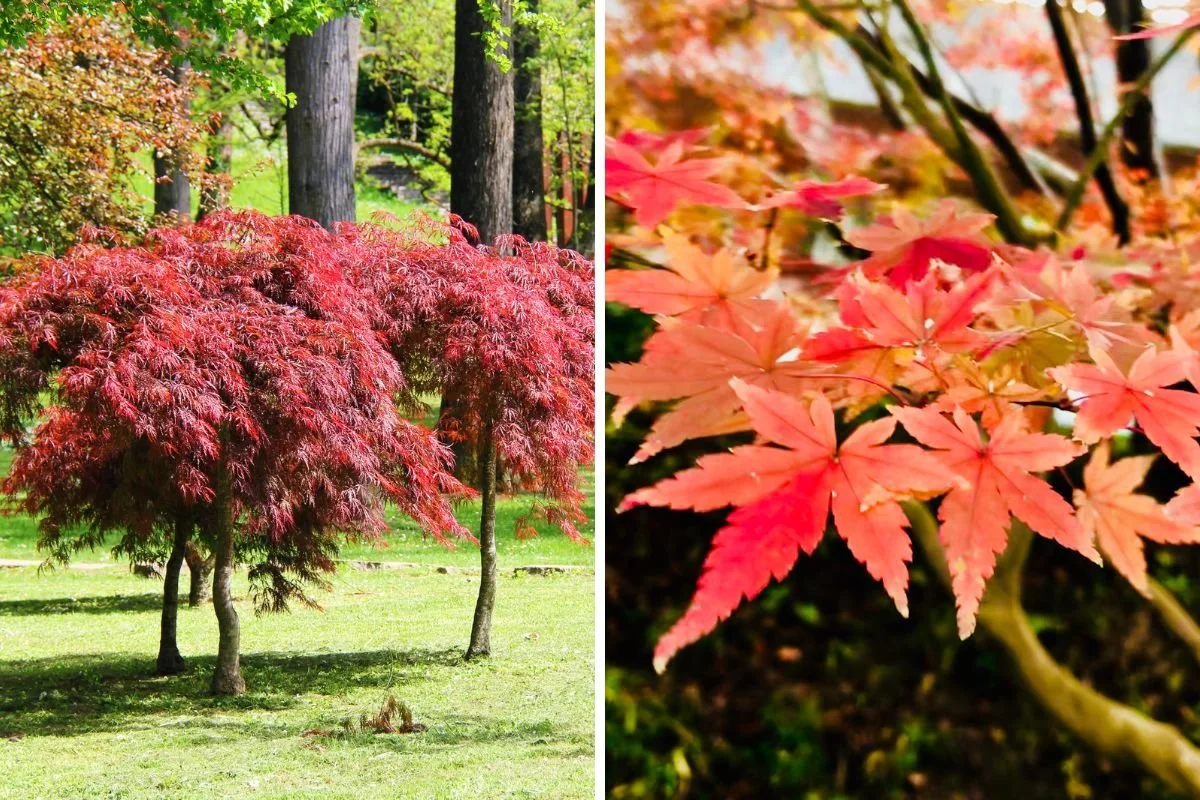
Japanese maples are popular ornamental trees that bring vibrant colour and elegant structure to residential landscapes. Depending on the variety, their delicate foliage can turn brilliant scarlet, crimson or orange in autumn, creating a striking focal point in smaller gardens.
Many Japanese maple varieties grow approximately 2–6 metres tall, although mature size and spread vary considerably by cultivar. Their slow to moderate growth rate makes them a good choice for homeowners who want an attractive ornamental tree without rapid growth.
For the best results, keep these growing requirements in mind:
Sunlight: Japanese maples generally thrive in locations with morning sun and some protection from intense afternoon sunlight and strong winds.
Soil: They prefer well-drained soil that retains some moisture without becoming waterlogged.
Watering: Regular watering while the tree establishes helps support healthy root development, particularly during dry periods.
Mulching: A layer of mulch around the root zone helps retain soil moisture and regulate soil temperature, but it should be kept away from the trunk.
Japanese maples work particularly well in front gardens, beside patios and near entryways where their colourful foliage can be appreciated up close. If you're considering one for your property, ask Gauld Nurseries about varieties suited to your available space and growing conditions.
Sugar Maple — Classic Canadian Fall Colour
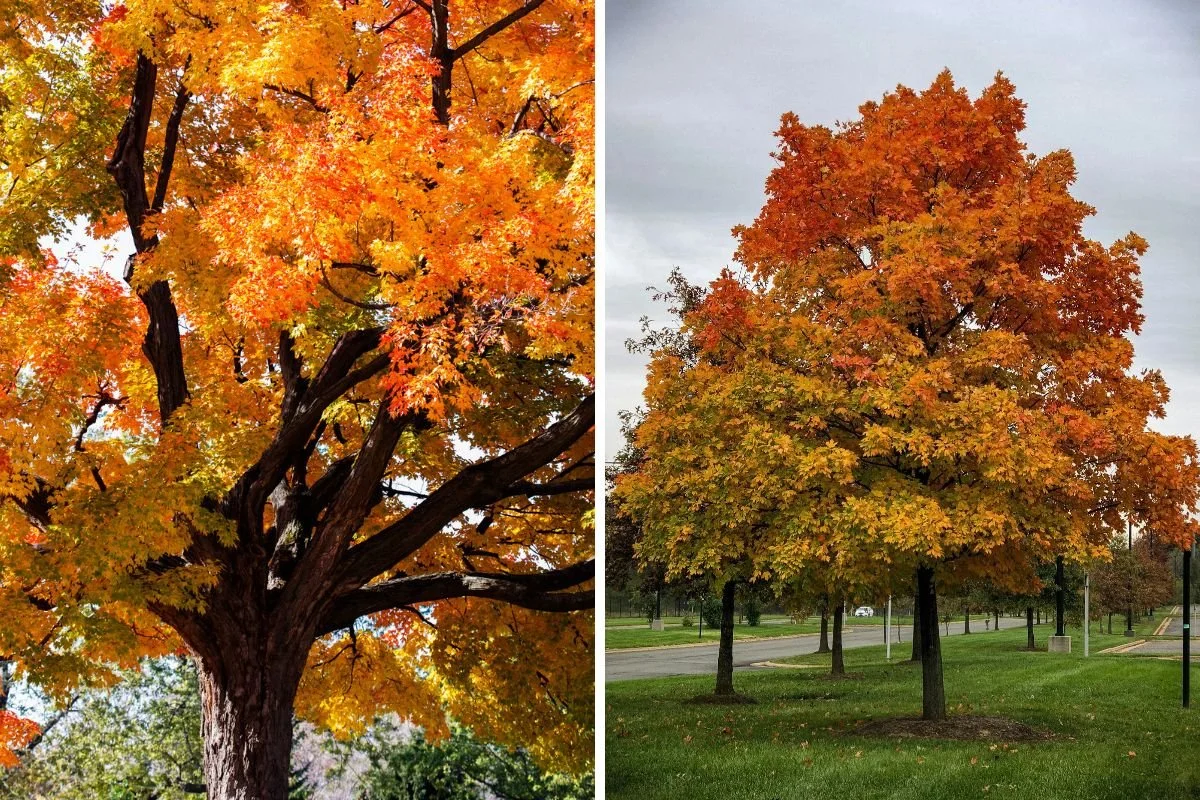
Few trees capture the beauty of an Ontario autumn quite like the sugar maple. Its broad canopy can produce a spectacular display of yellow, orange and vibrant red foliage, making it an excellent choice for homeowners with room for a substantial shade tree.
Sugar maples commonly reach 18–24 metres tall at maturity, with a wide, spreading canopy. They grow slowly to moderately and can provide lasting landscape value when planted in a suitable location.
For healthy growth and vibrant fall colour, consider these important growing requirements:
Soil: Sugar maples prefer deep, well-drained soil that supports healthy root development.
Moisture: Consistent soil moisture is important, particularly while the tree is establishing. Watering during dry periods can help prevent stress.
Growing conditions: Sugar maples can struggle with prolonged drought, excessive heat and compacted soil, so choosing the right planting location is essential.
Space: Allow plenty of room for the mature canopy and root system, and avoid planting where branches could interfere with buildings or overhead wires.
Because of their eventual size, sugar maples are best suited to spacious front yards, large backyards and properties where their canopy can develop freely. If you have the room, a sugar maple can become a stunning centrepiece in your autumn landscape for years to come.
Red Maple — Brilliant Red and Orange Autumn Leaves
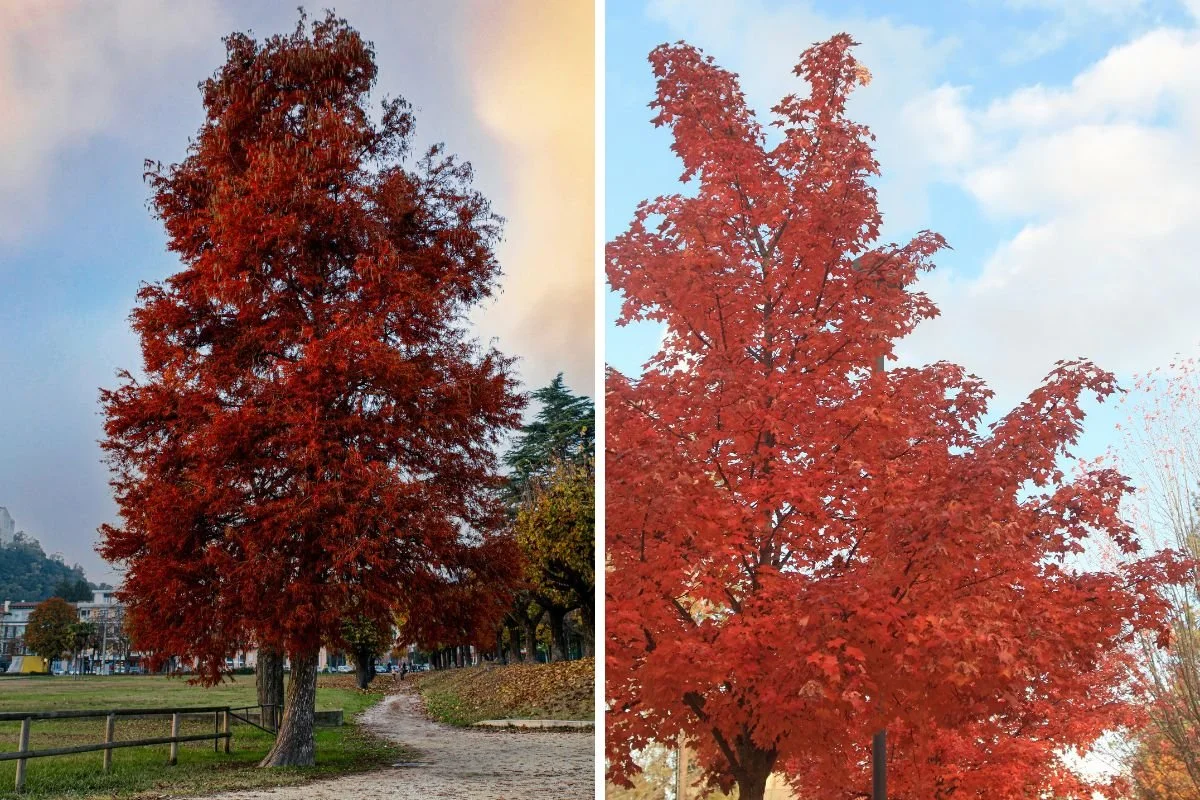
If vivid autumn colour is your priority, red maple deserves a place on your shortlist. Its foliage can turn brilliant scarlet, red, orange or yellow, depending on the cultivar and seasonal conditions. This makes it one of the most appealing choices for homeowners looking to create a colourful Niagara landscape.
Red maples typically grow 12–21 metres tall, although mature size varies by variety and growing conditions. They generally grow at a moderate to fast rate, allowing them to develop into impressive landscape trees over time.
Here are a few things to consider when choosing a red maple for your yard:
Fall colour: Depending on the cultivar and weather conditions, red maples can produce vibrant shades of scarlet, red, orange and yellow.
Growing conditions: Many varieties tolerate a range of soil types, although their drainage and moisture requirements can vary. Choose a cultivar suited to your property's conditions.
Watering: Regular watering while the tree establishes helps support healthy root development, particularly during dry periods.
Space: Red maples can become substantial trees, so allow enough room for their mature height and spreading canopy.
Red maples work well as front-yard focal points, shade trees and prominent features in larger gardens. Their vibrant foliage also pairs beautifully with trees that turn yellow or golden in autumn, creating a more varied seasonal display.
For homeowners comparing the best trees for fall colour Ontario has to offer, red maple is a strong contender thanks to its striking autumn display and versatility in residential landscapes.
Ginkgo — Brilliant Golden-Yellow Fall Foliage
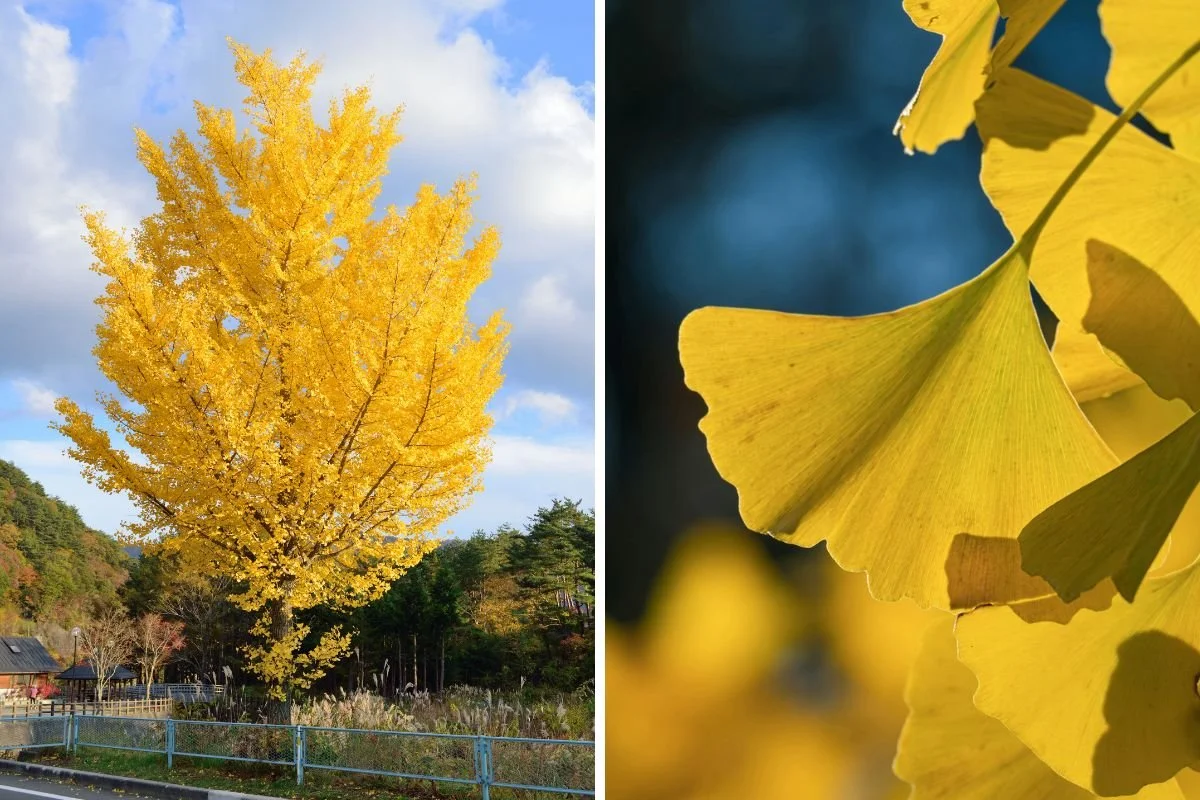
For a different take on autumn colour, consider the ginkgo tree. Its distinctive fan-shaped leaves turn brilliant golden yellow in fall, creating a beautiful contrast against the red and orange foliage of nearby trees. The leaves often drop within a relatively short period, producing a dramatic carpet of gold beneath the branches.
Standard ginkgo trees commonly reach 15–25 metres tall at maturity, although compact cultivars are available for smaller properties. They generally grow slowly to moderately and develop an attractive branching structure as they mature.
Before planting a ginkgo tree, keep these important considerations in mind:
Sunlight: Ginkgo trees grow best in full sun, which helps support healthy growth and vibrant golden fall colour.
Soil: They prefer well-drained soil and should not be planted in locations where water regularly collects around the roots.
Watering: Young trees benefit from regular watering, particularly during dry weather. Established ginkgos tolerate urban conditions relatively well.
Tree selection: Choose a male cultivar for your home landscape. Female ginkgo trees produce fleshy seeds with an unpleasant odour when they fall, so male selections are generally preferred for residential gardens.
Available space: Standard ginkgos become large trees, but compact cultivars may be suitable for smaller properties.
Ginkgo makes an excellent statement tree in a front yard or open lawn, especially where its golden foliage can stand out against darker evergreens or red-leaved trees. Ask Gauld Nurseries about suitable cultivars and whether a ginkgo is a good fit for your property.
Sweetgum — A Multicoloured Autumn Showpiece
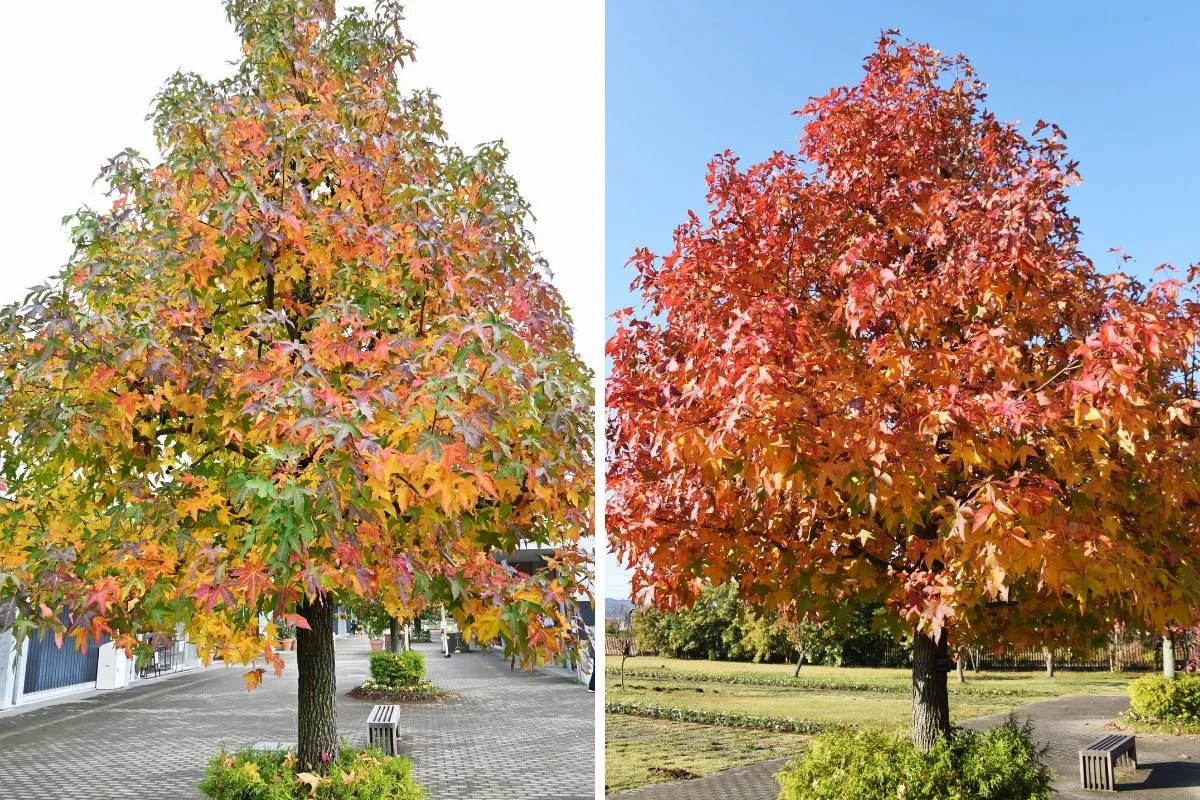
Sweetgum is an eye-catching ornamental tree for homeowners who want a varied autumn colour display. Its star-shaped leaves can turn red, burgundy, orange, yellow and purple, sometimes producing several colours on the same tree. The result is a rich, layered effect that can make a spacious yard feel particularly vibrant in fall.
Sweetgum commonly reaches 15–25 metres tall at maturity and generally grows at a moderate to fast rate. It prefers full sun, reasonably deep soil and adequate moisture to support healthy growth.
Before choosing a sweetgum for your property, consider these important factors:
Fall colour: Sweetgum offers a striking mix of red, burgundy, orange, yellow and purple foliage, making it an appealing choice for a colourful autumn landscape.
Sunlight and soil: It generally performs best in full sun and reasonably deep soil with adequate moisture.
Mature size: Sweetgum can grow quite large, so it is best suited to spacious properties where it has room to develop.
Seed balls: The tree produces spiky fruits that can accumulate on lawns, walkways and patios. Consider this when choosing a planting location near areas where people frequently walk or gather.
Ontario growing conditions: Sweetgum can be less reliable in colder or exposed locations than some trees better adapted to Ontario's climate. Selecting a suitable cultivar and a sheltered planting site may improve its chances of success.
For larger Niagara properties where autumn colour is the main attraction, sweetgum is worth exploring. Speak with Gauld Nurseries about local growing conditions and suitable varieties before deciding whether this colourful tree is right for your yard.
Serviceberry — Multi-Season Beauty for Smaller Yards
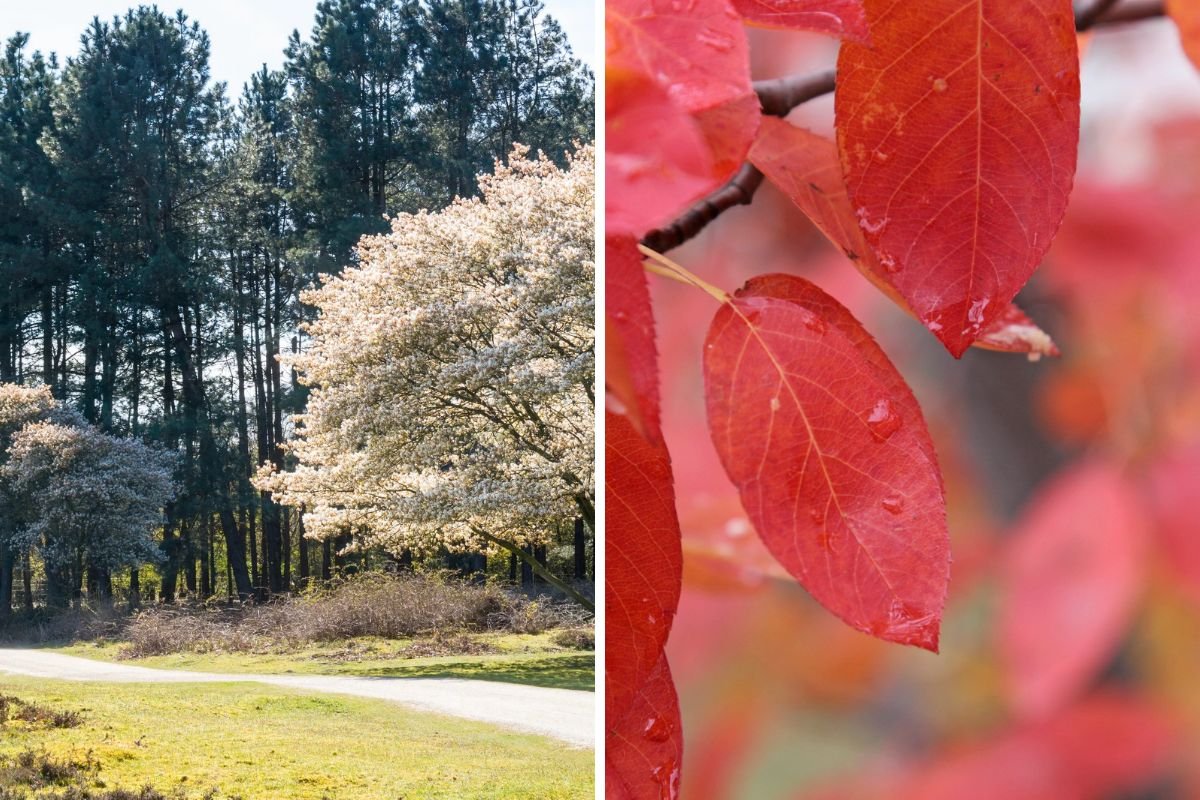
Serviceberry is an excellent option for homeowners who want more than a beautiful autumn display. In spring, it produces delicate white flowers, followed by edible summer berries that attract birds. When fall arrives, its foliage can turn shades of yellow, orange and red, adding another layer of seasonal interest to your landscape.
Depending on the species and growth form, serviceberry commonly reaches approximately 4–8 metres tall. It generally grows at a moderate rate, making it a practical choice for smaller residential properties where a large shade tree may be unsuitable.
Here are some reasons to consider serviceberry for your Niagara garden:
Three-season interest: Serviceberry provides spring flowers, summer berries and colourful autumn foliage, giving your yard visual interest throughout much of the growing season.
Manageable size: Its relatively compact growth makes it suitable for smaller properties where space is limited.
Growing conditions: Serviceberry grows in full sun to partial shade and prefers well-drained soil with adequate moisture, particularly while young.
Ongoing care: Watering during dry periods, applying mulch and pruning selectively when needed can help maintain healthy growth and an attractive shape.
Wildlife value: Its summer berries attract birds, making serviceberry a useful addition to wildlife-friendly gardens.
Serviceberry works well in front gardens, mixed borders, smaller backyards and naturalized landscapes. It can also be planted in groups, where its seasonal changes complement other ornamental trees and shrubs.
For Niagara homeowners who want colourful foliage without committing to a towering tree, serviceberry offers an attractive balance of size, seasonal interest and wildlife value. Ask Gauld Nurseries about available varieties and which options best suit your garden.
Birch — Elegant Trees with Golden Autumn Leaves
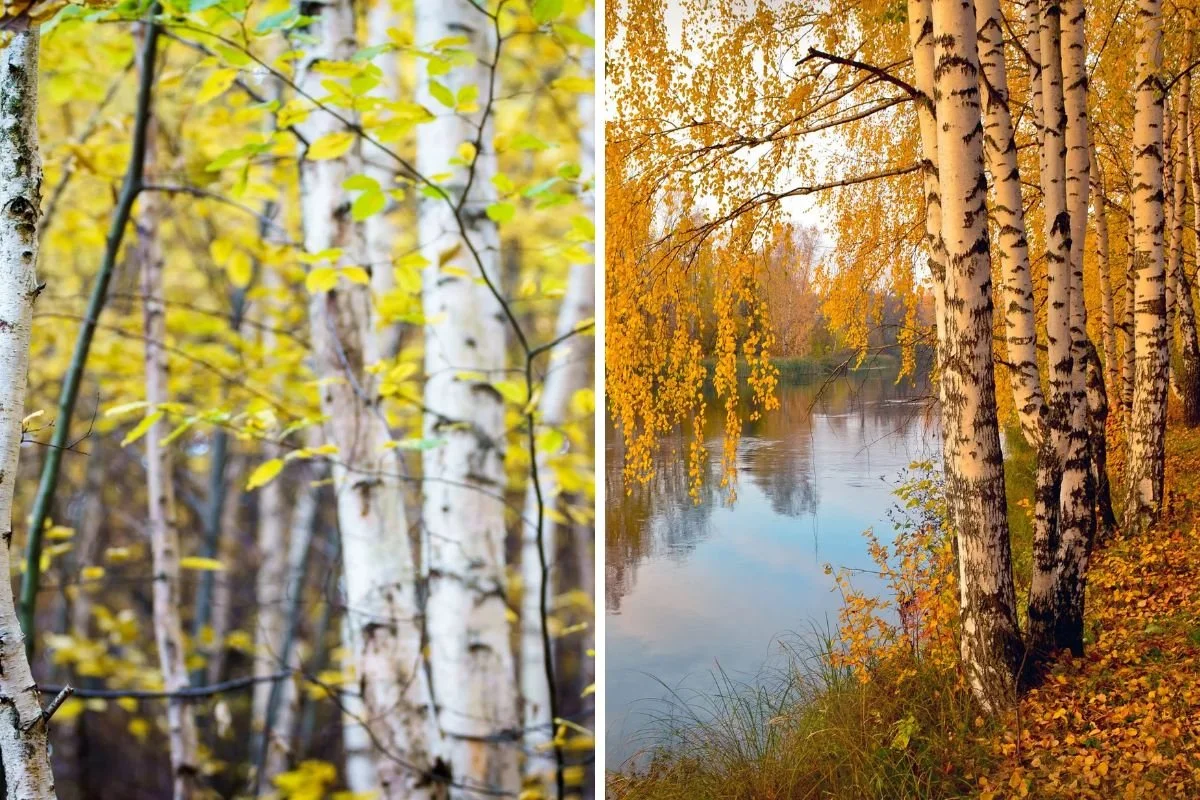
Birch trees bring a light, graceful appearance to residential landscapes, with slender branches, attractive bark and golden-yellow autumn foliage. Even after their leaves fall, many birches continue to provide visual interest through their distinctive trunks and branching structure.
Depending on the species and cultivar, birch trees commonly reach approximately 12–20 metres tall at maturity. Many grow at a moderate to fast rate, making them appealing to homeowners who want a tree that develops noticeable height over time.
Before choosing a birch tree for your property, consider these growing requirements:
Sunlight: Birches generally grow best in full sun to partial shade.
Soil and moisture: They prefer moist, well-drained soil and benefit from regular watering while establishing, particularly during dry periods.
Climate suitability: Some species are less tolerant of prolonged heat and drought, so choosing a variety suited to your property's growing conditions is important.
Root-zone care: Applying a layer of mulch around the root zone can help retain soil moisture and regulate soil temperature. Keep the mulch away from direct contact with the trunk.
Available space: Many birches grow into substantial trees, so allow enough room for their mature height and canopy.
Birches are well suited to naturalistic landscapes, group plantings and larger gardens where their pale trunks can contrast with colourful autumn foliage. They can also complement red maples and golden ginkgo trees to create a varied fall display, while their attractive bark adds interest throughout winter.
If you're considering birch for your Niagara property, consult Gauld Nurseries about species suited to your soil, sunlight and moisture conditions.
2. Comparison Table: Compare 7 Beautiful Trees for Fall Colour
Compare 7 Beautiful Trees for Fall Colour
The best fall colour trees for your Niagara yard depend on the space you have, the look you want and your property's growing conditions. Compare these popular options to find a good starting point for your landscape.
1. Japanese Maple
- Typical Mature Height
- 2–6 m
- Growth Rate
- Slow to moderate
- Fall Colour
- Scarlet, crimson and orange
- Best Landscape Use
- Small gardens, patios and ornamental focal points
2. Sugar Maple
- Typical Mature Height
- 18–24 m
- Growth Rate
- Slow to moderate
- Fall Colour
- Yellow, orange and brilliant red
- Best Landscape Use
- Large yards, shade and traditional landscapes
3. Red Maple
- Typical Mature Height
- 12–21 m
- Growth Rate
- Moderate to fast
- Fall Colour
- Red, scarlet, orange and yellow
- Best Landscape Use
- Larger gardens, shade and seasonal colour displays
4. Ginkgo
- Typical Mature Height
- 15–25 m*
- Growth Rate
- Slow to moderate
- Fall Colour
- Bright golden yellow
- Best Landscape Use
- Statement trees, lawns and urban landscapes
5. Sweetgum
- Typical Mature Height
- 15–25 m
- Growth Rate
- Moderate to fast
- Fall Colour
- Red, burgundy, orange, yellow and purple
- Best Landscape Use
- Large yards where varied autumn colours are desired
6. Serviceberry
- Typical Mature Height
- 4–8 m
- Growth Rate
- Moderate
- Fall Colour
- Yellow, orange and red
- Best Landscape Use
- Smaller yards, mixed borders and wildlife-friendly gardens
7. Birch
- Typical Mature Height
- 12–20 m*
- Growth Rate
- Moderate to fast
- Fall Colour
- Golden yellow
- Best Landscape Use
- Naturalistic landscapes, grouped plantings and year-round bark interest
*Mature height varies by species and cultivar. All heights and growth rates are approximate. Soil, sunlight, moisture, local conditions and ongoing care can affect a tree's growth and fall colour.
Not sure which tree is right for your yard?
Visit Gauld Nurseries to explore available varieties and get advice on choosing a tree suited to your space, soil and preferred autumn colours.
3. How to Choose the Right Fall Colour Trees for Your Niagara Property
Choosing a tree based on its autumn foliage is exciting, but finding the right variety for your property will help ensure it thrives for years to come. Before purchasing, consider your available space, growing conditions and the colours you want to see each fall.
Consider Your Available Space
Start by checking the tree's mature height and spread. Japanese maples and serviceberries are excellent options for smaller yards, while sugar maples, red maples and sweetgums need considerably more room to develop their canopies and root systems. Consider nearby buildings, driveways, overhead wires and property boundaries to ensure your tree has enough space as it grows.
Match the Tree to Your Soil and Sunlight
Different trees have different growing requirements. Most benefit from suitable drainage and consistent moisture while establishing, but some tolerate wetter soils better than others. Consider how much sunlight your planting location receives throughout the day, along with your soil type and exposure to wind. Choosing a tree suited to your Niagara property's conditions is just as important as selecting one with beautiful fall foliage.
Plan for the Fall Colours You Love
Think about the autumn display you want to create. Maples offer brilliant reds and oranges, while ginkgo trees provide striking golden-yellow foliage. Sweetgum delivers a mix of autumn colours, and serviceberry combines attractive fall leaves with spring flowers and summer berries. Planting complementary varieties can create a colourful landscape with interest across multiple seasons.
Not sure which trees are right for your yard? Visit Gauld Nurseries for advice on comparing varieties and choosing fall colour trees suited to your Niagara property.
4. When Is the Best Time to Plant Fall Colour Trees in Niagara?
For many deciduous trees, spring and early autumn are ideal planting periods in Niagara, Ontario. Both seasons typically offer milder temperatures that help trees establish their root systems before facing summer heat or winter cold.
Planting in Spring or Fall
Early autumn can be an excellent time to plant fall colour trees because the soil may remain warm enough for root growth while cooler air temperatures reduce moisture loss. This gives roots an opportunity to establish before the following growing season, provided the tree is planted early enough before the ground freezes.
Spring planting is another good option, particularly for trees that benefit from a longer establishment period before winter. However, the best timing depends on the species, whether the tree is container-grown or supplied with bare roots, soil moisture and the weather. Avoid planting in frozen, waterlogged or excessively dry soil.
Help Your New Tree Establish
Proper care after planting is essential for healthy growth. Keep these tips in mind:
Water thoroughly after planting to help settle the soil around the roots, then maintain consistent moisture while the tree establishes.
Apply a layer of organic mulch around the root zone to conserve moisture and moderate soil temperatures, keeping it away from direct contact with the trunk.
Monitor watering needs throughout the growing season, adjusting for rainfall, temperature and soil conditions.
For advice on the best planting window for your chosen tree, visit Gauld Nurseries. The team can help you select suitable varieties and determine the appropriate planting time for your Niagara property.
5. How to Care for Your Trees to Encourage Healthy Growth and Fall Colour
Once you've planted your tree, proper care will help it establish strong roots, develop healthy branches and thrive in your Niagara landscape. While different species have specific requirements, a few basic practices can support long-term growth and seasonal beauty.
Essential Tree Care Tips
Proper care helps newly planted trees establish healthy roots and thrive in your landscape. Follow these five essential tips to support healthy growth throughout the seasons.
Water Consistently
Water deeply and regularly during the establishment period, adjusting the frequency according to rainfall, soil type and temperature. Newly planted trees are particularly vulnerable to drought, even when established trees nearby appear healthy.
Apply Mulch Correctly
Spread a layer of organic mulch over the root zone to help retain moisture and regulate soil temperature. Keep the mulch away from direct contact with the trunk to prevent moisture-related damage.
Prune When Necessary
Remove damaged or crossing branches when appropriate, following pruning recommendations for your particular tree species. Avoid unnecessary pruning that could affect the tree's natural shape.
Protect the Root Zone
Minimize soil compaction from vehicles and foot traffic, and avoid disturbing the soil around the roots unnecessarily. Protecting the root zone helps support healthy growth.
Monitor Growing Conditions
Ensure your tree receives suitable sunlight and moisture for its species. Check its growing environment regularly and adjust your care routine when seasonal conditions change.
What to Expect from Fall Colour
Autumn foliage varies with genetics, temperature, sunlight, moisture and other environmental conditions. Even the same tree species can display different colours from one year to the next.
Ultimately, choosing a suitable tree and planting it in the right location are the foundations of long-term success. With appropriate care, your tree can become a beautiful feature of your landscape for years to come.
6. Find Beautiful Fall Colour Trees at Gauld Nurseries

*Image by Gauld Nurseries
Ready to bring more autumn colour to your yard? Gauld Nurseries is a great place to start when choosing fall colour trees for your Niagara property. Whether you're planning a colourful front garden or creating a landscape filled with vibrant autumn foliage, selecting the right trees can help you achieve the look you want.
When exploring your options, consider more than just leaf colour. Mature size, sunlight requirements, soil conditions and ongoing maintenance will all influence how well a tree performs in your yard. Choosing varieties suited to your property's conditions can help you enjoy their beauty for years to come.
Find the Right Trees for Your Landscape
Ask the team at Gauld Nurseries about available varieties, including:
Japanese maples for colourful focal points in smaller gardens.
Sugar and red maples for classic autumn shades of red, orange and yellow.
Ginkgo trees for striking golden-yellow foliage.
Sweetgum trees for a mix of vibrant autumn colours.
Serviceberries and birches for seasonal interest in a variety of landscape settings.
Availability can vary by species, cultivar and season, so it's worth checking which trees are currently in stock.
Visit Gauld Nurseries for advice on choosing the right fall colour trees for your property. Whether you have a compact garden, a spacious yard or plans for a mixed tree planting, the team can help you explore options that suit your landscape and bring your autumn vision to life.
7. Frequently Asked Questions About Fall Colour Trees in Niagara
Choosing the right trees can help you enjoy a spectacular display of autumn colour year after year. If you're planning to add vibrant foliage to your Niagara landscape, these frequently asked questions will help you compare tree varieties, understand planting requirements and find the right options for your property.
What are the best trees for fall colour in Ontario?
Some popular choices include sugar maple and red maple for brilliant red and orange foliage, Japanese maple for vibrant colour in smaller gardens, and ginkgo for golden-yellow leaves. Sweetgum offers a mix of red, purple, orange and yellow, while serviceberry and birch provide attractive autumn foliage with additional landscape benefits.
The right tree depends on your available space, soil conditions, sunlight and preferred colours. Consider mature size and care requirements before choosing a variety for your Niagara property.
Which trees have the brightest red fall leaves?
Red maples are well known for their brilliant red and scarlet autumn foliage. Certain Japanese maple varieties also develop striking crimson, scarlet or reddish-orange leaves, making them excellent choices for ornamental gardens.
Colour intensity varies with the cultivar, sunlight, temperature and moisture conditions. Ask your local nursery about varieties suited to your property and the type of autumn display you want.
What is the best small tree for fall colour in Niagara?
Japanese maple and serviceberry are worth considering for smaller residential landscapes. Japanese maples offer vivid autumn foliage and attractive shapes, while serviceberries combine yellow, orange or red fall colour with spring flowers and summer berries.
Mature size varies by species and cultivar, so check the expected height and spread before planting. The right choice will depend on your garden's available space, sunlight and soil conditions.
Which trees turn yellow in the fall?
Ginkgo trees are especially admired for their brilliant golden-yellow autumn leaves. Birch trees also produce attractive yellow foliage, while sugar maples can display yellow alongside orange and red.
If you want a strong golden contrast in your landscape, consider combining yellow-leaved trees with varieties that turn red or orange in autumn.
When should I plant fall colour trees in Niagara?
Spring and early autumn are often suitable planting periods for deciduous trees in Niagara. Early autumn planting can give roots time to establish before the following growing season, provided the tree is planted sufficiently early before the ground freezes.
The ideal timing depends on the tree species, nursery stock, weather and soil conditions. Water your new tree appropriately and monitor soil moisture as it establishes.
Where can I buy fall colour trees in Niagara?
Gauld Nurseries is a local destination for Niagara homeowners planning to add ornamental trees and seasonal colour to their landscapes. Ask about Japanese maples, sugar maples, red maples, ginkgo, sweetgum, serviceberry and birch.
Availability varies by species, cultivar and season. The team can help you explore options for smaller gardens, larger properties and mixed landscape plantings.
Ready to add more autumn colour to your yard?
Visit Gauld Nurseries for advice on choosing trees that suit your landscape and bring your fall garden vision to life.
Contact Gauld Nurseries to get started.
Bring More Autumn Colour to Your Yard

The right trees can transform your Niagara property with vibrant reds, brilliant oranges and golden-yellow foliage every autumn. Whether you're looking for a colourful focal point for a small garden or a beautiful shade tree for a larger yard, choosing varieties suited to your landscape will help you enjoy their beauty for years to come.
Visit Gauld Nurseries to explore available fall colour trees and find the right varieties for your property. Not sure where to start? The team can help you compare your options and choose trees suited to your space, growing conditions and preferred autumn colours.
Ready to plan your fall landscape? Visit Gauld Nurseries and take the first step toward a more colourful yard.
What Gauld Nurseries’ Customers Are Saying...
Homeowners throughout Niagara trust Gauld Nurseries for expert advice, quality plants, and beautiful landscape transformations.
Connect with Gardening Experts: HowtoGardenz
Connect with our gardening experts at HowToGardenz! We provide tips, tools, and reviews to help you develop your green thumb while embracing sustainable and low-maintenance gardening practices. Learn how to grow a thriving garden that’s both eco-friendly and easy to care for!
Have gardening expertise to share? Or a thriving greenhouse to showcase? Join HowToGardenz! List your products or services and connect with other plant enthusiasts who are passionate about creating sustainable, beautiful gardens. Let's spread the joy of growing together, with less effort and more impact!