
Low-Maintenance Landscaping Niagara: Ideas for Busy Homeowners
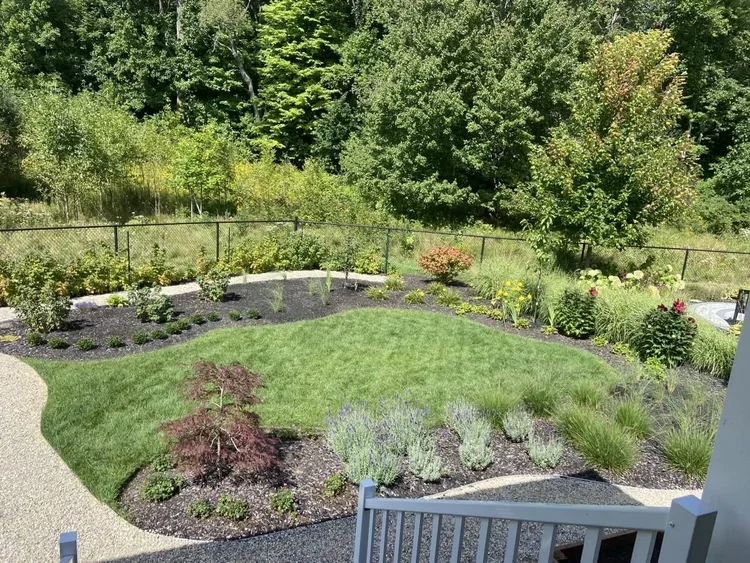
*Image by Gauld Nurseries
If you love the look of a beautiful yard but don't have hours to spend watering, weeding, pruning and mowing every week, low-maintenance landscaping can make a big difference. The key isn't eliminating yard work altogether, it's designing your landscape so it requires less of it.
For homeowners in Niagara, that means choosing plants suited to local growing conditions, using mulch and groundcovers to reduce weeds, incorporating ornamental grasses and drought-tolerant plants, and using hardscaping to create attractive spaces that require little ongoing care. With the right combination, you can have a landscape that looks great without becoming another item on your weekend to-do list.
Need help choosing plants or planning a lower-maintenance landscape? Visit Gauld Nurseries for expert advice and practical solutions for your Niagara yard.
Make Your Niagara Yard Easier to Maintain
- Choose plants suited to your property's conditions.
- Use mulch, groundcovers and purposeful lawn areas to reduce routine work.
- Keep planting beds simple and group plants for easier care.
- Use practical hardscaping to create attractive, functional spaces with less maintenance.
Low-Maintenance Landscaping Niagara
1. What Makes a Landscape Low-Maintenance?
A low-maintenance landscape is designed to reduce the amount of time and effort required to keep your yard looking healthy and attractive. Rather than relying on constant upkeep, the goal is to make smart choices at the design stage that naturally reduce recurring tasks.
A well-planned landscape can help minimize:
Frequent watering, particularly once established plants are matched to the conditions on your property.
Weeding by reducing exposed soil and creating clearly defined planting areas.
Lawn mowing by avoiding unnecessary areas of grass.
Deadheading and pruning by selecting plants with manageable growth habits.
Seasonal cleanup by choosing plants and landscape features that do not require extensive ongoing care.
Replacing plants that don't thrive because they were poorly suited to the site's conditions.
Start With the Right Landscape Design
The layout of your yard has just as much impact on maintenance as the plants you choose. A thoughtful design makes it easier to care for the landscape while creating a more cohesive appearance.
Consider these principles when planning a low-maintenance yard:
Group plants according to their sunlight and moisture requirements so each area can receive the care it actually needs.
Avoid creating numerous small garden beds, which can add extra edges, exposed soil and areas that are difficult to maintain.
Use defined planting areas and simpler shapes to make mowing, mulching and general maintenance more efficient.
Choose plants suited to the conditions on your property instead of trying to make unsuitable plants thrive in the wrong location.
The result is a landscape that works with your property's natural conditions rather than requiring constant intervention to keep it looking its best.
2. Choose Plants That Need Less Attention
Plant selection is one of the biggest opportunities to reduce maintenance in your landscape. Choosing plants that naturally suit Niagara's growing conditions can mean less watering, pruning and general attention while still giving your yard plenty of colour and texture.
Drought-Tolerant Plants
Drought-tolerant plants can reduce the amount of supplemental watering your landscape needs once they are established. They are particularly useful in areas that receive full sun or tend to dry out quickly.
Plants to consider include:
Coneflower and Black-eyed Susan can provide long-lasting summer colour while handling relatively dry conditions.
Catmint and Russian sage offer attractive foliage and flowers with relatively modest water requirements.
Sedum and yarrow can work well in sunny, drier areas where other plants may struggle.
Native and locally adapted perennials are also worth considering because they are suited to the conditions in the region.
Keep in mind that drought-tolerant does not mean a plant never needs water. Newly planted specimens need regular watering while their roots become established, and even established plants may require additional water during prolonged heat or drought.
Self-Spreading Groundcovers
Groundcovers can gradually fill open areas, reducing the amount of exposed soil where weeds can take hold. Options such as creeping thyme, creeping phlox and sweet woodruff can work in appropriate conditions, while wild ginger and other native groundcovers can be useful in suitable shady areas.
Choose carefully, however. Some spreading plants can become aggressive, so make sure the variety you select is appropriate for the size and location of the planting area.
Ornamental Grasses
Ornamental grasses add structure and texture without demanding constant attention. Depending on the species, they can tolerate a range of growing conditions and generally require limited pruning. They can also provide visual interest after many flowering plants have finished for the season.
Consider options such as feather reed grass, switchgrass, blue fescue and little bluestem.
Use Fewer Plant Varieties in Larger Groups
Instead of filling a garden with dozens of individual varieties, repeat a smaller selection of plants in larger groupings. This creates a more cohesive appearance and makes watering and maintenance easier. It also makes weeds and unwanted growth easier to spot while creating stronger visual impact.
3. Use Mulch to Reduce Weeding and Watering
*Images by Gauld Nurseries
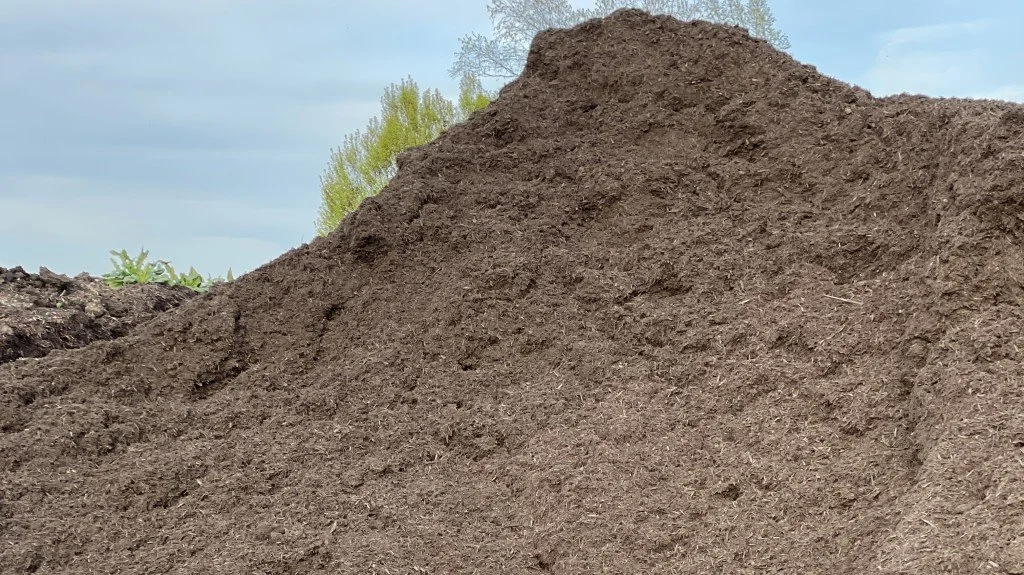
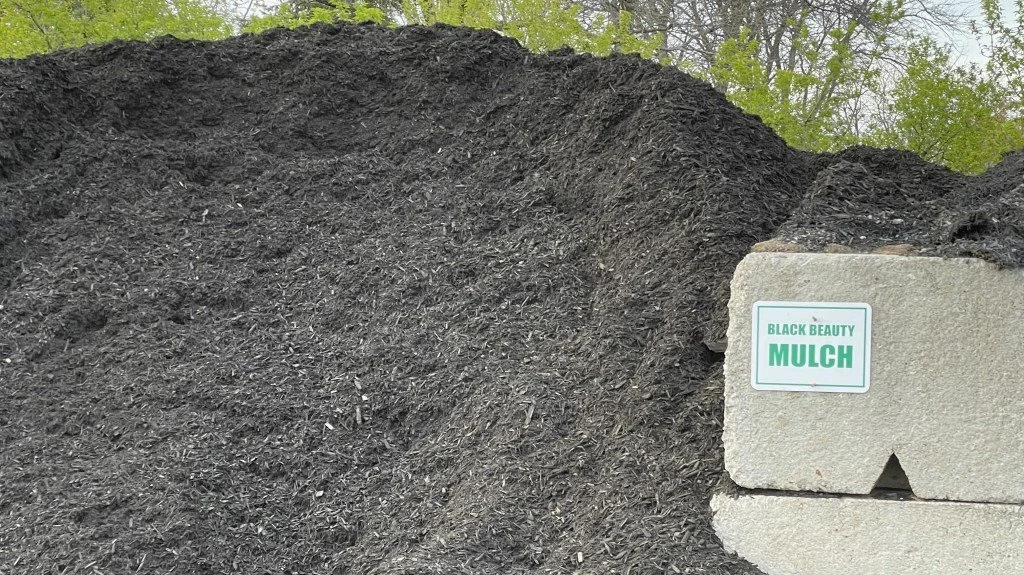
Mulch is one of the simplest ways to make an existing landscape easier to manage. A properly mulched garden bed can help reduce routine maintenance while giving the area a neat, finished appearance.
How Mulch Reduces Maintenance
Adding mulch around plants provides several practical benefits:
It suppresses weed growth by making it more difficult for weed seeds to reach the conditions they need to germinate.
It reduces moisture evaporation from the soil, helping plants make better use of available water.
It helps moderate soil temperatures by providing an insulating layer over the soil.
It gives planting beds a cleaner, finished appearance and creates a visual transition between plants and lawn or hardscape.
It reduces exposed soil, leaving fewer open areas for weeds to establish.
How Much Mulch Should You Use?
More mulch is not necessarily better. Applying an appropriate layer provides the benefits you want without creating an overly thick blanket that can hold excessive moisture or interfere with plants.
Mulch will gradually break down and settle, so it should be replenished periodically. When adding new material, it is often better to refresh the existing layer rather than completely removing and replacing it.
Keep mulch a few inches away from plant stems and tree trunks. Piling mulch directly against them can create conditions that contribute to moisture and pest problems.
Choose the Right Mulch for Your Landscape
Different materials can suit different areas and design preferences:
Shredded bark provides a natural appearance and works well around many ornamental plants.
Wood mulch is a versatile choice for general garden beds and is available in different textures and colours.
Cedar mulch offers a distinctive appearance and is commonly used around ornamental plantings.
Decorative stone or gravel can provide a longer-lasting option in areas where organic mulch is less suitable.
The best mulch depends on the planting area, the appearance you want and how you plan to maintain the landscape over time.
4. Replace Some Lawn With Hardscaping

*Image by Gauld Nurseries
Once you've considered your planting choices, look at the overall layout of your yard. Hardscaping can reduce the amount of living landscape that needs regular care while also making your outdoor space more useful.
Why Hardscaping Can Reduce Maintenance
Patios, walkways, retaining walls and other hardscape features can take the place of areas that would otherwise require ongoing lawn or garden maintenance. Depending on the design, hardscaping can reduce the need for:
Mowing, by replacing sections of grass with functional surfaces.
Watering, because hardscape does not require irrigation to stay attractive.
Fertilizing, since stone, pavers and other hardscape materials do not require plant nutrients.
Weeding, particularly when hardscape is properly installed with appropriate base materials and joints.
The goal is not simply to remove plants, but to use hardscape where it provides a practical purpose.
Create Functional Outdoor Spaces

*Image by Gauld Nurseries
A well-planned hardscape feature can make your yard more enjoyable while reducing maintenance at the same time. Consider options such as:
A patio for entertaining can create a dedicated area for outdoor meals, gatherings or relaxing.
A stone seating area can provide a simple destination within a garden or backyard.
A walkway connecting the driveway and backyard can create a defined route through the property.
A defined fire-pit area can turn an unused section of the yard into a functional outdoor space.
Garden edging and borders can create clean transitions between planting beds, lawn and other landscape features.
Don't Overdo Hardscaping
A low-maintenance yard does not need to become a sea of concrete or stone. Too much hardscape can make a property feel stark and can create additional considerations for drainage, heat and overall appearance.
Instead, aim for a thoughtful balance of hardscape, planting beds and strategic lawn areas. Each element should serve a purpose while contributing to a landscape that is attractive, practical and easier to care for.
5. Consider a Smaller, Smarter Lawn
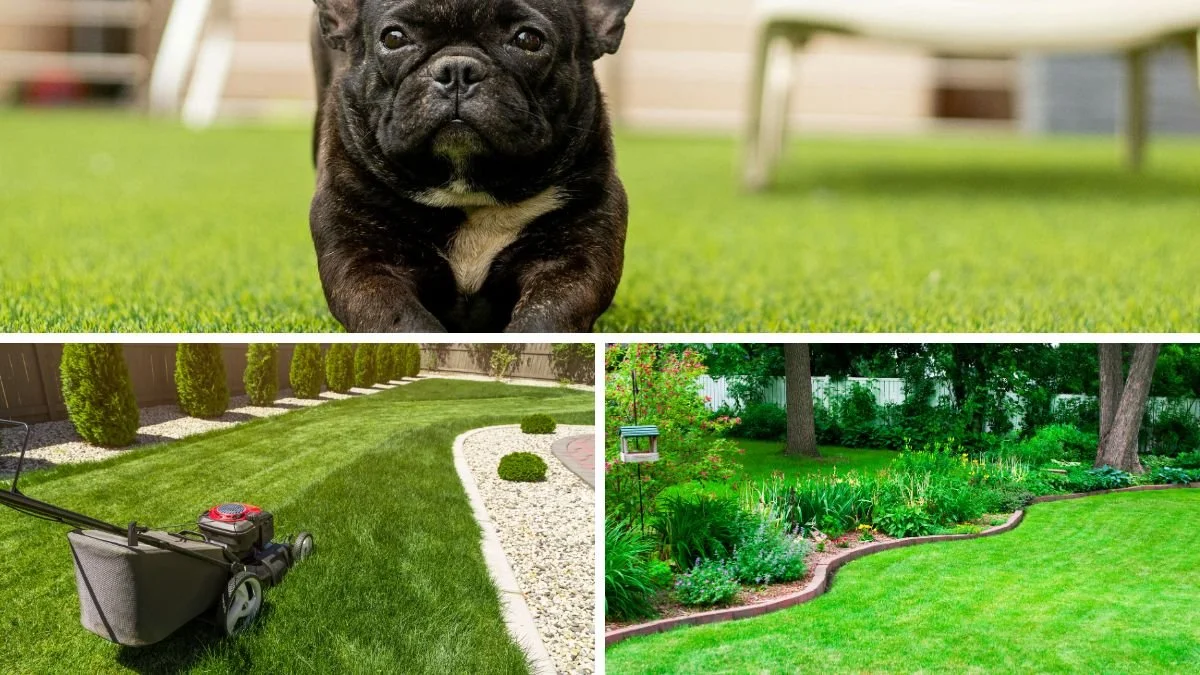
You do not have to eliminate your lawn to create a low-maintenance landscape. If you enjoy having some grass, the goal is to make your lawn more purposeful and easier to care for rather than allowing it to take up every available part of the property.
Consider these strategies when planning your lawn:
Keep lawn areas purposeful by using grass where it provides a practical space for children, pets, recreation or simply an open area in the landscape.
Choose an appropriate grass seed mix based on the amount of sunlight, soil conditions and expected use of the lawn.
Use clearly defined lawn boundaries to create clean transitions between grass, planting beds and other landscape features.
Reduce awkward strips and difficult-to-mow areas where possible, particularly narrow sections that require extra trimming.
Avoid excessive lawn fragmentation around trees and garden beds, as numerous small sections can make mowing and trimming more time-consuming.
Make the Lawn Easier to Maintain
Even a smaller lawn can require considerable upkeep if it is not managed properly. A few simple practices can help keep routine lawn care under control:
Mow at the proper height for your grass type rather than cutting it excessively short, which can place unnecessary stress on the lawn.
Water efficiently by watering deeply when needed rather than relying on frequent, shallow watering.
Avoid over-fertilization, which can encourage excessive growth and create more mowing while potentially contributing to runoff.
Use edging where appropriate to create a clean boundary between lawn and planting areas while reducing the need for repeated trimming.
A smaller, well-planned lawn can still provide the open green space many homeowners want without making grass the dominant feature of the entire landscape.
6. A Low-Maintenance Landscaping Plan for a Niagara Home
Imagine a typical Niagara homeowner who wants a welcoming front or backyard but does not want to spend every weekend keeping it in shape. A low-maintenance landscape can make that possible by combining carefully selected plants with mulch, a purposeful lawn and a few practical hardscape features.
The following seven-part plan shows how these elements can work together to create an attractive yard that is easier to manage.
1. Defined Planting Beds
Use simple, sweeping bed shapes and group plants together rather than scattering individual specimens throughout the yard.
2. Drought-Tolerant Perennial Zone
Create a sunny planting area with plants that can handle drier conditions once established.
Consider coneflowers, Black-eyed Susans, catmint and sedum.
3. Ornamental Grass Groupings
Use ornamental grasses to add height, texture and seasonal interest without creating another high-maintenance planting area.
4. Low-Maintenance Groundcover
Use suitable groundcovers to gradually fill selected areas, reducing exposed soil and the space available for weeds.
5. Mulched Planting Beds
Apply an appropriate layer of mulch around plantings to help suppress weeds and reduce moisture evaporation.
6. Reduced Lawn Area
Keep lawn where it serves a purpose, such as recreation or open space.
Replace unnecessary lawn with planting beds or carefully planned hardscape.
7. Simple Hardscape Feature
Add a small patio, stone path or seating area to create a useful outdoor destination without adding ongoing plant maintenance.
What This Plan Reduces
The goal is not to eliminate every landscape task, but to reduce the amount of recurring work your yard requires. Here is how the approach compares with a more traditional landscape:
What Maintenance Still Remains?
Low-maintenance does not mean maintenance-free. Even a thoughtfully designed landscape will require some attention throughout the year.
- Some watering will still be needed, particularly while new plants are becoming established.
- Seasonal pruning or cutback may be required for certain plants and ornamental grasses.
- Occasional weeding will still be necessary as unwanted plants appear.
- Mulch will need to be replenished periodically as it breaks down and settles.
- Lawn areas will continue to require mowing and other routine care if grass remains part of the landscape.
7. Low-Maintenance Landscaping Mistakes to Avoid
A landscape can look simple on paper but become surprisingly time-consuming if the design choices are not suited to the property. Avoiding a few common mistakes can help ensure your low-maintenance landscape actually delivers the benefits you expect.
Choosing Plants Based Only on Appearance
A plant that looks great at the garden centre may not perform well in your yard. Before choosing plants, consider:
Sunlight: Make sure the plant receives the amount of sun it needs.
Soil: Consider whether your soil provides suitable conditions for healthy growth.
Moisture: Match plants to areas that are naturally dry, moist or somewhere in between.
Mature size: Allow enough room for plants to reach their full size without constant pruning.
Hardiness: Choose plants that can reliably handle Niagara's winter conditions.
Planting Too Many Different Species
Variety can add interest, but using too many individual species can increase the number of different care requirements you need to manage. Repeating a smaller selection of suitable plants can create a cohesive design while simplifying maintenance.
Making Every Inch of the Yard a Garden Bed
More planting beds do not necessarily make a landscape easier to maintain. Every additional bed can create more edges to trim, more areas where weeds can appear and more plants to care for. Leave some open space and keep the overall layout practical.
Using Aggressive Groundcovers Without Planning
Some groundcovers spread much faster than others. Understand how quickly a variety spreads and how large it can become before planting it, particularly near walkways, lawns or other garden areas.
Treating "Low Maintenance" as "No Maintenance"
Even a well-designed landscape will need some seasonal care. Plan for occasional watering, pruning, weeding, mulch maintenance and lawn care where applicable.
Installing Hardscape Without Considering Drainage
Hardscape should be designed with proper grading and water movement in mind. Poor drainage can lead to pooling, erosion or water being directed toward unwanted areas. Proper base preparation, grading and installation help ensure hardscape remains functional over time.
8: How to Make an Existing Niagara Yard More Low-Maintenance
You don't necessarily need to start over to make your landscape easier to care for. An existing Niagara yard can often be improved in stages, allowing you to tackle the areas that create the most work first and gradually build a more manageable landscape.
Use this phased approach to turn a high-maintenance yard into a landscape that works better for your time, budget and property.
9. When to Bring in a Landscaping Professional

*Image by Gauld Nurseries
Creating a low-maintenance landscape is not simply about choosing fewer plants or replacing grass with stone. The decisions made during the planning and installation stages can have a significant impact on how much work your yard requires in the years ahead.
Getting professional help can be particularly useful when you are redesigning several areas at once, dealing with drainage concerns or want to avoid investing in plants and materials that are not well suited to your property.
How a Professional Can Help
A landscaping professional can help you make decisions based on your property's conditions, your goals and the amount of maintenance you want to take on. This can include:
Assessing your property to understand factors such as sunlight, soil, drainage and available space.
Identifying suitable plants that are appropriate for the conditions in different areas of your yard.
Designing efficient planting beds that provide visual interest without creating unnecessary maintenance.
Planning drainage and grading so water moves where it should and landscape features function properly.
Selecting appropriate hardscape materials based on how each area will be used and maintained.
Creating a cohesive layout that brings lawn, planting areas and hardscaping together into one practical design.
Building the landscape correctly the first time, helping avoid costly changes caused by poor placement, drainage or installation.
Get Help Planning a Lower-Maintenance Yard
If you're in the Niagara area and aren't sure where to start, Gauld Nurseries can help you explore plants and landscaping solutions suited to your property. Their experience can help turn the goal of "less yard work" into a practical landscape plan that still looks inviting and well cared for.
10. Low-Maintenance Landscaping Niagara FAQs
Choosing a lower-maintenance landscape often raises practical questions about plants, lawn care, mulch, hardscaping and cost. The answers below cover some of the most common questions Niagara homeowners have when planning a yard that looks great without requiring constant upkeep.
What is the easiest landscaping to maintain in Niagara? +
What plants are drought tolerant in Niagara, Ontario? +
What groundcovers are low maintenance? +
Does mulch really reduce garden maintenance? +
How can I reduce the amount of lawn I have to mow? +
Is ornamental grass difficult to maintain? +
How much does low-maintenance landscaping cost in Niagara? +
Can an existing landscape be redesigned to require less maintenance? +
11. Create a Low-Maintenance Landscape That Works for Your Niagara Property

A low-maintenance landscape starts with the right plants, layout and materials for your property. Whether you want to reduce lawn care, simplify your garden beds or choose plants that require less watering, the right plan can make your yard easier to enjoy and maintain.
Visit Gauld Nurseries in Niagara for expert advice and practical solutions for creating a landscape that fits your property, lifestyle and maintenance goals.
What Gauld Nurseries’ Customers Are Saying...
Homeowners throughout Niagara trust Gauld Nurseries for expert advice, quality plants, and beautiful landscape transformations.
Connect with Gardening Experts: HowtoGardenz
Connect with our gardening experts at HowToGardenz! We provide tips, tools, and reviews to help you develop your green thumb while embracing sustainable and low-maintenance gardening practices. Learn how to grow a thriving garden that’s both eco-friendly and easy to care for!
Have gardening expertise to share? Or a thriving greenhouse to showcase? Join HowToGardenz! List your products or services and connect with other plant enthusiasts who are passionate about creating sustainable, beautiful gardens. Let's spread the joy of growing together, with less effort and more impact!