
Pollinator Garden Plants Best Plants to Attract Bees and Butterflies in Niagara
Creating a pollinator-friendly garden is a simple way to add colour, life and movement to your Niagara yard while providing valuable food sources for bees, butterflies and other pollinators. The right pollinator garden plants can help attract pollinators throughout the growing season while creating a beautiful, low-maintenance landscape you can enjoy all summer long.
In this guide, we'll explore some of the best plants to attract bees and butterflies, along with practical tips for designing a garden that keeps pollinators coming back.
Ready to start planning your pollinator garden? Visit Gauld Nurseries in Niagara Falls to explore their selection of pollinator-friendly plants and find the right options for your yard.
Key Takeaways
Pollinator garden plants can add colour and seasonal interest while providing valuable food sources for bees, butterflies and other pollinators.
A diverse selection of flowers with different shapes, colours and bloom times can make your garden more welcoming to a variety of pollinators.
Plants to attract bees and butterflies include coneflower, rudbeckia, bee balm, butterfly milkweed, liatris, salvia, lavender and butterfly bush.
Grouping plants, varying their heights and matching plants to your garden's growing conditions can create a more attractive and functional landscape.
Even a small garden can support pollinators when plants are chosen and arranged thoughtfully.
Choosing plants suited to Niagara's climate and growing conditions can help create a healthier, easier-to-maintain garden.
Gauld Nurseries in Niagara Falls offers a wide selection of perennials and shrubs and can help homeowners choose plants for their specific garden.
Pollinator Garden Plants: Best Plants to Attract Bees and Butterflies in Niagara
1. Why Create a Pollinator-Friendly Garden?
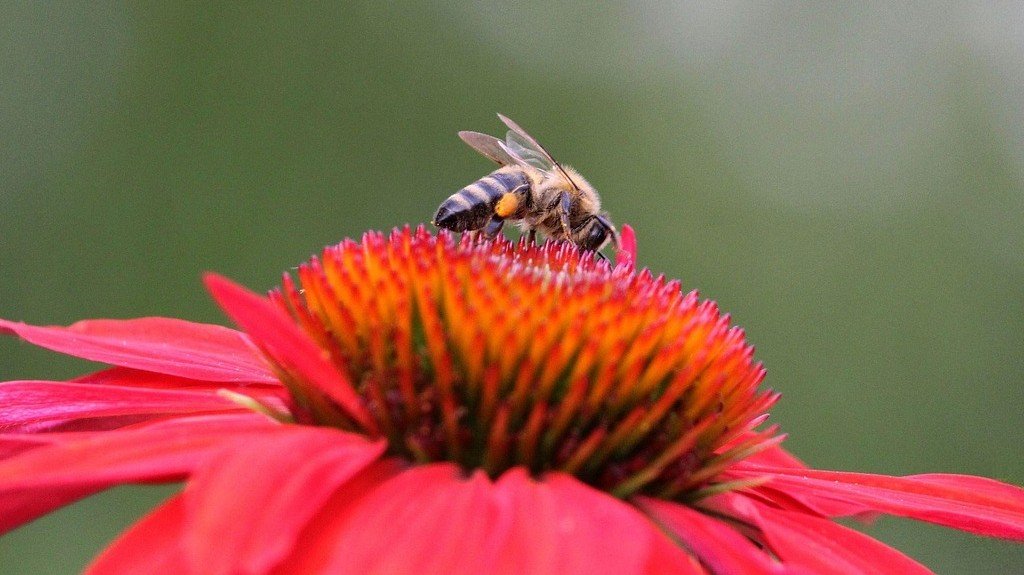
A pollinator-friendly garden can do more than add colour to your yard. By choosing plants that provide food and habitat, Niagara homeowners can create an attractive outdoor space that also supports bees, butterflies and other important pollinators.
Pollinators Help Plants Reproduce
Bees, butterflies and other pollinators move pollen between flowers as they feed. This helps flowering plants reproduce and supports healthy ecosystems. Many fruits, vegetables and flowering plants depend on pollination to produce seeds and fruit.
Pollinators Need Reliable Food Sources
Pollinators benefit from gardens that provide nectar and pollen throughout the growing season. Planting a variety of flowering plants with different bloom times can help ensure that food is available from spring through fall.
You Can Help Without Giving Up a Beautiful Garden
Creating a pollinator garden does not mean letting your yard become wild or unstructured. Carefully selected perennials and flowering shrubs can provide valuable resources for pollinators while giving your landscape a polished, intentional appearance.
Think beyond individual plants. With the right combination of colour, height, texture and bloom times, you can create a garden that looks great and welcomes more pollinators to your yard.
2. What Makes a Good Pollinator Garden?
A successful pollinator garden is about more than choosing a few flowers that attract bees or butterflies. Good garden design provides variety, creates concentrated food sources and gives pollinators reasons to visit throughout the season. Before choosing specific plants, consider these basic principles.
Choose a Variety of Flower Shapes and Colours
Different pollinators are attracted to different flower shapes, sizes and colours. Including a mix of flowering plants can make your garden useful to a wider range of bees, butterflies and other beneficial insects while adding visual interest to your landscape.
Plant in Groups
Instead of planting one of every variety throughout the garden, group several plants of the same type together. Larger clusters create more noticeable food sources for pollinators and can also make your garden look fuller and more intentionally designed.
Provide Blooms From Spring Through Fall
Aim to have something flowering throughout as much of the growing season as possible. A simple approach is to combine:
Early-season bloomers that provide food when pollinators first become active.
Summer-flowering plants that keep nectar and pollen available during the busiest part of the season.
Late-season flowers that provide additional food as other plants finish blooming.
Include Native and Pollinator-Friendly Plants
Choose plants that are well suited to Niagara's climate, growing conditions and local ecosystem. Native plants can be particularly valuable because they are adapted to the region and can support local wildlife. For more ideas, see our guide to native plants for Niagara.
3. Best Pollinator Garden Plants for Niagara
When choosing pollinator garden plants, look for a mix of flowers that provide colour, nectar and pollen at different times of the growing season. The selections below are well suited to a Niagara pollinator garden and include specific varieties available through Gauld Nurseries. Availability can change throughout the season, so homeowners should check with Gauld before visiting.
Echinacea Sunrise
Rudbeckia Goldsturm
Monarda Grand Parade
Asclepias tuberosa
Liatris spicata
Salvia May Night
Lavandula Munstead
Butterfly Bush
Coneflower (Echinacea)
Echinacea Sunrise is a strong choice for Niagara pollinator gardens for the following reasons:
Long-lasting colour: Coneflowers provide attractive summer colour and can continue flowering for an extended period.
Daisy-like flowers: Their open flower shape makes them an attractive addition to perennial borders.
Best location: Plant coneflowers in a sunny spot where they can receive plenty of direct light.
Great in groups: Planting several together creates a stronger visual display and a more noticeable food source for pollinators.
Pollinator appeal: The flowers provide food for bees and butterflies.
Winter interest: Once flowering is finished, the seed heads can add texture and interest to the garden through the colder months.
Black-Eyed Susan (Rudbeckia)
Rudbeckia Goldsturm and Rudbeckia Indian Summer are other excellent options for a Niagara pollinator garden because of their:
Bright summer colour: The cheerful yellow flowers create an eye-catching display in sunny garden beds.
Long flowering season: Rudbeckia can provide colour well into the later part of the growing season.
Easy to grow: This hardy perennial is a practical choice if you are looking for attractive, relatively low-maintenance plants.
Pollinator-friendly: The flowers provide a valuable food source for bees and other pollinators.
Best location: Black-eyed Susan performs best in a sunny location.
Bee Balm (Monarda)
Monarda Grand Parade is a particularly useful addition to a pollinator garden because its showy flowers can attract bees, butterflies and hummingbirds. They offer:
Showy flowers: Bee balm adds bold colour and distinctive flower shapes to the garden.
Strong pollinator appeal: Its flowers can attract several types of pollinators, helping add activity and variety to your garden.
Summer colour: It provides an attractive summer display when many pollinators are active.
Best location: Plant bee balm where it receives plenty of sun, with some varieties also tolerating part shade.
Great for group plantings: Several plants grouped together can create a strong focal point while providing a concentrated source of food.
Butterfly Milkweed (Asclepias tuberosa)
If attracting butterflies is a priority, Asclepias tuberosa, commonly known as butterfly milkweed, deserves a prominent place in your garden. Here’s why:
Bright orange flowers: The vivid blooms add a strong splash of colour to sunny garden beds.
Butterfly-friendly: Butterfly milkweed provides an important food source for butterflies and other pollinators.
Supports monarchs: It serves as a host plant for monarch caterpillars, making it especially valuable in a butterfly-focused garden.
Best location: Plant it in a sunny location with well-drained soil.
Native-plant appeal: Its connection to local ecosystems makes it an excellent choice for homeowners looking to create a more wildlife-friendly Niagara landscape.
Liatris (Liatris spicata)
Liatris spicata, also known as blazing star, brings something different to the pollinator garden with its tall, upright flower spikes.
Adds height: The upright growth creates vertical interest among lower-growing flowers.
Pollinator-friendly: Its flowers are attractive to both bees and butterflies.
Great for layered gardens: Place Liatris toward the middle or back of a flower bed where its height can stand out.
Easy to combine: The tall spikes provide an attractive contrast to shorter, spreading perennials.
Strong visual impact: Grouping several plants together can create an impressive column of colour.
Salvia
Salvia is another versatile choice for a pollinator garden.
Adds structure: Upright flower spikes give the garden a defined shape and provide contrast with rounded or daisy-shaped flowers.
Provides colour: The different varieties offer options for adding strong vertical colour to perennial borders.
Pollinator appeal: Salvia flowers can attract bees and butterflies.
Works well in groups: Planting several salvias together creates a stronger visual statement and a concentrated planting area.
Best location: Most salvias perform best in sunny locations with suitable drainage.
Lavender (Lavandula Munstead)
Lavandula Munstead combines ornamental appeal with pollinator value, making it a natural fit for many Niagara gardens.
Fragrant flowers: Lavender provides both attractive blooms and aromatic foliage.
Loves sunshine: Choose a location with full sun and well-drained soil.
Versatile style: Its neat form works equally well in cottage-style gardens, contemporary landscapes and traditional borders.
Attracts pollinators: The flowers can be particularly appealing to bees and butterflies.
Easy to place: Lavender works well along pathways, garden borders and bed edges where its form and fragrance can be appreciated.
Butterfly Bush (Buddleia)
Not every pollinator garden needs to be made up entirely of perennials. Butterfly bush can introduce height, structure and a larger flowering presence to the landscape while providing an attractive destination for butterflies.
Gauld's current shrub selection includes several butterfly-bush options, including:
Ellen's Blue Butterfly Bush
Potter's Purple Butterfly Bush
Santana Butterfly Bush
Black Knight Butterfly Bush
White Ball Butterfly Bush
Butterfly bush can work particularly well as a focal point or background planting in a larger pollinator garden. Its flowering habit adds seasonal interest while its height helps create different layers within the landscape.
Planning to add butterfly bush? Check with Gauld Nurseries for current availability and recommendations for the best butterfly-bush variety and placement for your Niagara garden.
4. How to Design a Garden That Attracts Bees and Butterflies
Choosing the right plants to attract bees and butterflies is only part of creating a successful pollinator garden. How you arrange and maintain those plants can also make your Niagara garden more useful to pollinators while keeping it attractive and easy to enjoy.
Plant in Clusters Instead of Scattering Individual Plants
Rather than spreading single plants throughout your yard, group several of the same variety together. Larger clusters create more concentrated sources of nectar and make flowers easier for pollinators to find. They also create a fuller, more intentional look.
Combine Different Heights
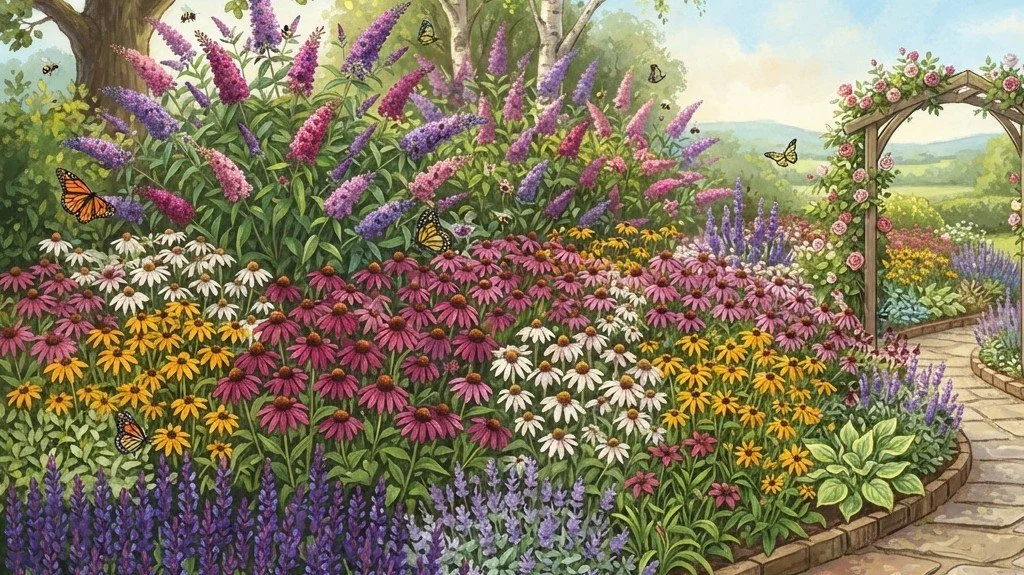
* AI-generated image to show how to layer plants of different heights.
Layering plants at different heights adds depth and makes better use of your garden space. For example:
Back: Butterfly bush and taller perennials can provide height and structure.
Middle: Coneflowers, bee balm and rudbeckia can fill the centre of the planting.
Front: Salvia, lavender and lower-growing plants can create a defined garden edge.
Plan for Continuous Bloom
Try to create a simple spring → summer → fall sequence by combining plants with different flowering periods. This helps keep your garden colourful while providing food for pollinators over a longer portion of the growing season.
Include Both Sun and Shade Options
You do not need to redesign your entire yard. Instead, choose plants that match the conditions you already have, including the amount of sunlight, soil moisture and available space.
Leave Some Natural Habitat
Consider leaving some seed heads and plant stems standing through winter rather than cutting everything back immediately. A less tidy garden can provide useful shelter and habitat for wildlife.
Avoid Making the Garden Too Perfect
A slightly natural, layered planting style can often provide more value to wildlife than an overly manicured bed. You can still maintain a beautiful landscape while allowing some areas to grow more naturally.
5. Build a Pollinator Garden That Fits Your Space
Whether you have a small flower bed or room for a larger landscape, you do not need to plant everything at once. Use the guide below to choose a pollinator garden approach based on the space you have and how much maintenance you want to do.
6. Common Pollinator Garden Mistakes to Avoid
Creating a pollinator-friendly garden does not have to be complicated, but a few common mistakes can limit how well your plants perform or how useful your garden is to pollinators. Keep these considerations in mind when planning your Niagara garden.
Planting Only One Type of Flower
A garden filled with just one type of flower may look attractive when it is in bloom, but it offers less variety for pollinators. Using a mix of flowering plants can provide different flower shapes, colours and food sources while creating a more interesting landscape.
Choosing Plants Without Considering Sunlight
Even the best pollinator garden plants will struggle if they are planted in the wrong location. Before buying, consider how much sun each area receives and choose plants that match those conditions.
Forgetting Bloom Timing
If everything in your garden flowers at the same time, you may have plenty of colour for a short period but little available afterward. Select plants with different flowering periods so your garden can provide resources across a longer portion of the growing season.
Using Too Many Pesticides
Be thoughtful about products used around flowering plants. Some pesticides can affect bees and other beneficial insects, so follow product directions carefully and consider whether treatment is necessary before applying anything to your garden.
Planting Without Considering Mature Size
A small plant at the nursery can become much larger once established. Check the expected mature height and width before planting to avoid overcrowding, poor air circulation and unnecessary pruning later.
A little planning at the beginning can help your garden stay healthier, more attractive and more pollinator-friendly over time.
7. How to Choose the Right Pollinator Plants for Your Niagara Garden
The best pollinator garden plants are not necessarily the same for every yard. Before buying, consider your garden's growing conditions, available space and the type of landscape you want to create. Use this checklist to narrow down the plants that are most likely to thrive in your Niagara garden.
- How much sun does the area receive? Consider whether the planting area receives full sun, partial shade or mostly shade throughout the day.
- Is the soil dry, moist or consistently damp? Choose plants that are suited to the moisture conditions rather than trying to change the soil to suit every plant.
- How much space do you have? Consider both the available planting area and how large your plants will become when they reach maturity.
- Do you want mostly perennials or a mix of shrubs and perennials? A combination can add different heights, textures and structure to a larger landscape.
- When do you want your garden to bloom? Look for plants with different flowering periods if you want colour and pollinator activity across more of the growing season.
- How much maintenance are you comfortable doing? Choose plants and garden designs that fit the amount of watering, pruning and general care you are prepared to provide.
- Which pollinators do you want to encourage? Think about whether you want to attract primarily bees and butterflies or create a garden that welcomes a wider variety of pollinators.
8. Frequently Asked Questions About Pollinator Garden Plants
Choosing the right plants is an important part of creating a pollinator-friendly garden, but Niagara homeowners often have questions about what to plant, where to plant it and how to care for it. Here are answers to some of the most common questions about pollinator garden plants.
Some excellent choices for Niagara gardens include coneflower, black-eyed Susan, bee balm, butterfly milkweed, salvia, liatris, lavender and butterfly bush. The best options for your garden will depend on factors such as sunlight, soil conditions, available space and desired bloom times.
Many flowering perennials can attract both bees and butterflies. Coneflower, rudbeckia, bee balm, salvia, liatris and lavender are good examples. Planting several types together can provide a more diverse food source than relying on a single plant.
Butterfly milkweed and butterfly bush are popular choices for butterfly-friendly gardens. Butterfly milkweed is particularly valuable because it provides a host plant for monarch caterpillars, while butterfly bush produces flowers that can attract adult butterflies.
Native plants can be an excellent addition to a pollinator garden because they are adapted to local growing conditions and can provide important resources for native wildlife. Combining native plants with other suitable pollinator-friendly selections can create a diverse and attractive garden.
You do not need a large yard to create a pollinator-friendly garden. Choose several complementary plants, group them together and select varieties with different flowering periods. A small, well-planned garden bed can provide colour and valuable food sources for pollinators.
Planting timing depends on the specific plant and current weather conditions. In general, many perennials can be planted during the spring and fall when temperatures are more moderate. Check the recommended planting requirements for each variety before adding it to your garden.
Maintenance depends on the plants you choose and your garden design. Selecting hardy plants suited to your location can reduce watering and maintenance requirements. Regular watering while plants establish, occasional weeding and appropriate pruning can help keep the garden healthy.
9. Find Pollinator Garden Plants at Gauld Nurseries

Once you have an idea of the type of pollinator garden you want, the next step is finding plants that will actually thrive in your Niagara landscape. Gauld Nurseries makes it easier to turn your plans into a finished garden with a wide selection of perennials, flowering shrubs and other landscape plants.
Find the Right Plants for Your Garden

At Gauld, you can explore pollinator-friendly options in person and get guidance on choosing plants that suit your specific garden. Their team can help you consider:
Your growing conditions, including available sunlight and soil moisture.
Your available space, including how much room plants will need as they mature.
Your garden style, whether you prefer a traditional, cottage-style or more contemporary landscape.
Your desired bloom times, so you can create a garden with seasonal colour and interest.
Gauld has been serving the Niagara Region since 1950 and focuses on plant quality, selection and knowledgeable guidance. Located in Niagara Falls, the nursery gives local homeowners the opportunity to see plants in person rather than choosing everything from photos or small samples.
Ready to Create Your Pollinator Garden?
Visit Gauld Nurseries in Niagara Falls to explore their selection of pollinator-friendly perennials, flowering shrubs and other plants for your garden. Their team can help you find options that fit your space, sunlight, soil conditions and garden goals.
What Gauld Nurseries’ Customers Are Saying...
Homeowners throughout Niagara trust Gauld Nurseries for expert advice, quality plants, and beautiful landscape transformations.
Connect with Gardening Experts: HowtoGardenz
Connect with our gardening experts at HowToGardenz! We provide tips, tools, and reviews to help you develop your green thumb while embracing sustainable and low-maintenance gardening practices. Learn how to grow a thriving garden that’s both eco-friendly and easy to care for!
Have gardening expertise to share? Or a thriving greenhouse to showcase? Join HowToGardenz! List your products or services and connect with other plant enthusiasts who are passionate about creating sustainable, beautiful gardens. Let's spread the joy of growing together, with less effort and more impact!