
Understanding Plant Stress: How to Diagnose What Your Garden Is Telling You
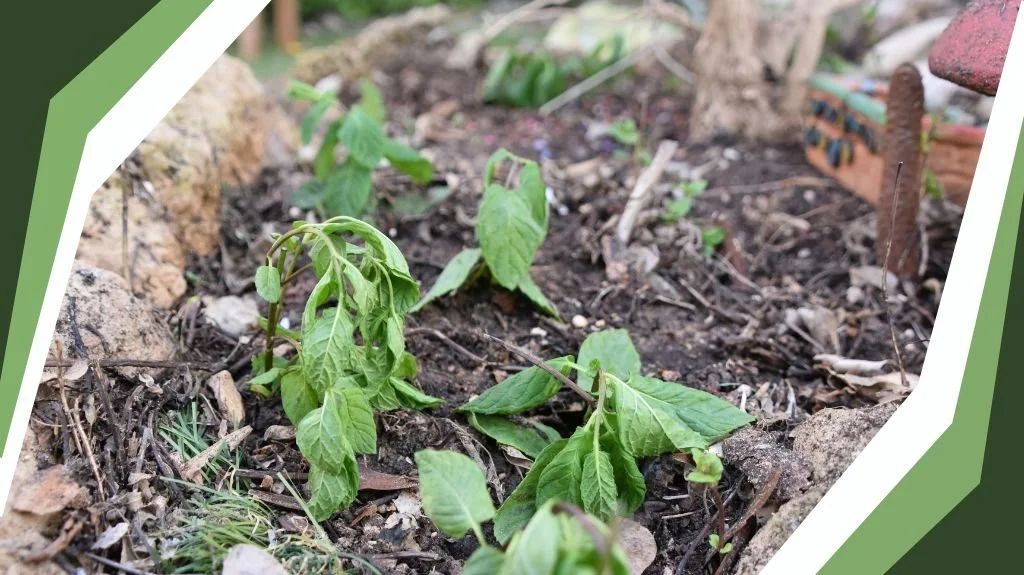
Plants can’t talk, but they definitely communicate. When leaves droop, turn yellow, develop brown edges, or attract pests, your garden is sending clear signals that something isn’t quite right. This is known as plant stress, and it’s one of the most common challenges gardeners face. The good news? Most stress symptoms are early warning signs, and with the right diagnosis, they’re usually easy to fix.
In this beginner-friendly guide, we’ll walk through the most common signs of plant stress, explain what they mean, and give you simple, practical solutions you can apply right away. Drawing on insights from the experienced horticulturists at Gauld Nurseries, you’ll learn how to read your plants’ signals with confidence and help your garden get back to thriving.
Contact Gauld Nurseries today for expert advice and explore their wide selection of healthy, high-quality plants to give your garden the strong start it deserves.
Gauld Nurseries Ltd.
Key Takeaways
Plant stress is a form of communication, signaling that something in the environment, care routine, or soil needs attention.
Early observation is essential. Checking leaves, stems, and soil regularly can prevent minor issues from becoming serious.
Common signs of stress include wilting, yellowing leaves, leaf scorch, pest damage, and nutrient deficiencies.
A step-by-step diagnostic approach: observing patterns, checking soil, reviewing changes, inspecting for pests, and treating gradually helps identify the cause effectively.
Preventive care is key: choose plants suited to your climate, improve soil, water consistently, mulch properly, and monitor plants weekly.
Most stress symptoms are reversible with proper care, but persistent, multiple, or unusual problems may require professional guidance.
Gauld Nurseries provides expert advice and high-quality plants, making them a trusted resource for gardeners seeking personalized solutions in the Niagara region.
Plant Stress
1. Why Plants Get Stressed
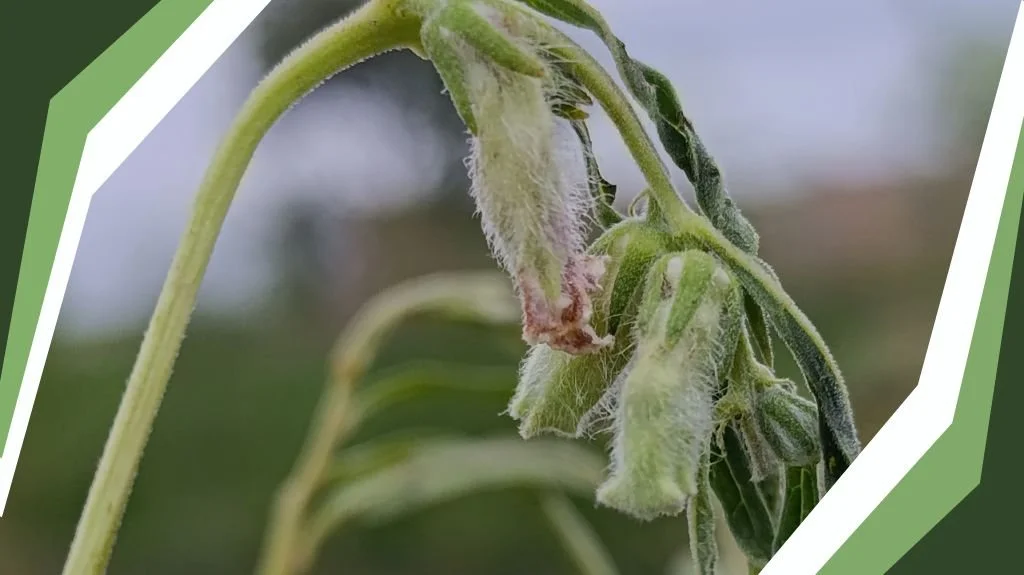
Plants experience stress when their growing conditions fall out of balance. Even healthy, well-established plants can struggle if weather changes suddenly, watering habits shift, or soil conditions decline. Understanding the root cause of plant stress is the first step toward correcting it quickly and confidently.
Environmental Stress
Environmental stress happens when plants are exposed to sudden or extreme weather conditions. These changes can disrupt normal growth and weaken a plant’s natural defenses.
Common environmental stressors include:
Heat waves can cause rapid moisture loss, leading to wilting, leaf scorch, and slowed growth.
Cold snaps can damage tender foliage and roots, especially in early spring or late fall.
Wind exposure can dry out leaves and soil, while also physically damaging stems and flowers.
Transplant shock can occur when roots are disturbed, making it difficult for plants to absorb water and nutrients while they adjust to a new location.
When weather patterns shift quickly, plants often show symptoms within days. Protecting them with mulch, proper placement, and gradual transitions can significantly reduce environmental stress.
Water-Related Stress
Water issues are one of the most common causes of plant stress in home gardens. Both too much and too little water can create similar symptoms, which is why careful observation is important.
Water-related stress typically occurs when:
Overwatering suffocates roots, preventing them from absorbing oxygen and leading to root rot.
Underwatering deprives plants of essential moisture, causing wilting, dry soil, and crispy leaf edges.
Poor drainage keeps soil constantly soggy, which weakens roots and encourages fungal problems.
Because watering mistakes are so common, checking soil moisture before reaching for the hose is one of the simplest and most effective preventive steps.
Nutrient Deficiencies
Plants require a balance of nutrients to grow strong leaves, vibrant flowers, and healthy root systems. When key nutrients are missing, visible symptoms often appear in the foliage.
Nutrient stress may develop when:
There is a lack of essential nutrients such as nitrogen, iron, or magnesium, which can cause yellowing leaves, poor growth, or discolouration between leaf veins.
Soil quality is poor or depleted, meaning plants cannot access the nutrients they need even if fertilizer is applied.
Testing your soil and using targeted amendments can help correct deficiencies without over-fertilizing, which can create additional stress.
Pests and Disease

Insects and pathogens can quickly weaken plants by feeding on tissue or disrupting normal plant functions. Stressed plants are often more vulnerable to these problems.
Common biological causes of stress include:
Insects that damage leaves and stems, such as aphids, beetles, and caterpillars that chew or suck plant juices.
Fungal and bacterial infections that cause spotting, wilting, or rot, especially in humid or poorly ventilated conditions.
Early detection is key, as many pest and disease issues can be managed effectively when caught in the early stages.
The experienced horticulturists at Gauld Nurseries often note that the most common stress issues they see in home gardens are related to inconsistent watering, poor soil preparation, and sudden weather shifts. Their advice is simple: observe carefully, diagnose thoughtfully, and avoid making multiple drastic changes at once. With the right approach, most plant stress problems can be corrected before lasting damage occurs.
2. The 5 Main Signs of Plant Stress (With Real Examples)
Plants rarely fail without giving you clues. By learning to recognize the common signs of plant stress, you can intervene early and help your garden recover. Below are the five most common indicators, with real examples and practical solutions recommended by the experts at Gauld Nurseries.
Wilting: When Leaves/Stems Droop or Collapse
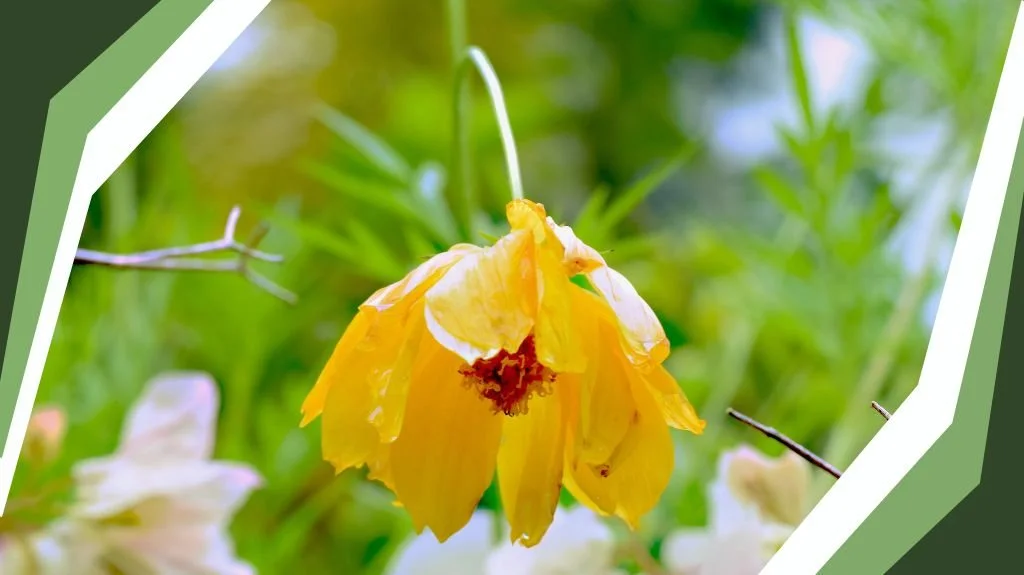
Wilting is one of the most obvious signs that a plant is stressed. It occurs when leaves and stems lose rigidity and start to droop.
What it looks like:
Leaves appear soft, droopy, or limp.
Stems may bend or collapse under the plant’s own weight.
Common causes:
Underwatering deprives the plant of necessary moisture.
Overwatering can lead to root rot, preventing roots from absorbing water properly.
Heat stress causes rapid water loss, especially in the afternoon sun.
Real example:
A hydrangea wilting mid-afternoon but recovering in the evening may be experiencing heat stress rather than dehydration.
Quick fixes:
Check soil moisture before watering and only water if the soil is dry.
Improve drainage if soil remains soggy for long periods.
Add mulch around the base of plants to help regulate soil temperature.
With proper observation and intervention, most wilting issues can be corrected within a few days.
Yellowing Leaves (Chlorosis)
Yellowing leaves are a common stress signal known as chlorosis. It often points to nutrient imbalances or watering problems.
What it looks like:
Leaves turn pale yellow, often starting with older foliage.
Green veins with yellow tissue indicate iron deficiency.
Common causes:
Overwatering can suffocate roots and prevent nutrient uptake.
Nitrogen deficiency leads to pale lower leaves.
Iron deficiency is common in alkaline soils.
Real example:
Tomato plants with yellowing lower leaves may be lacking nitrogen.
Quick fixes:
Test soil to determine nutrient levels.
Apply a balanced fertilizer according to the plant’s needs.
Adjust your watering schedule to avoid over- or under-watering.
Monitoring leaf colour regularly can help you catch nutrient issues before they affect overall growth.
Leaf Scorch and Brown Edges
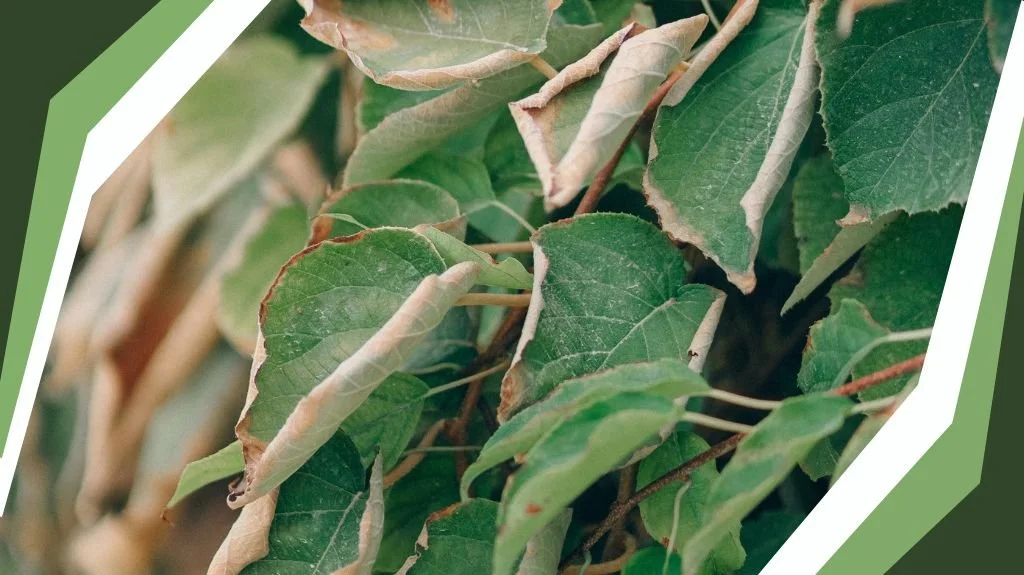
Leaf scorch shows up as brown, crispy patches or margins, often caused by environmental or chemical stress.
What it looks like:
Leaf edges turn brown and crispy.
Patches of the leaf may appear burned or damaged.
Common causes:
Too much sun can scorch tender foliage.
Salt buildup from fertilizers can burn leaf edges.
Wind exposure accelerates water loss and damages tissue.
Real example:
Hostas planted in full sun often develop brown margins along their leaves.
Quick fixes:
Move plants to a shadier spot or provide shade cloth during peak sunlight.
Flush the soil with deep watering to remove excess salts.
Avoid over-fertilizing and follow label instructions carefully.
Proper placement and balanced care can prevent leaf scorch from recurring season after season.
Pest Damage
Pests are a common source of plant stress, often visible before more serious problems develop.
What it looks like:
Leaves with holes, ragged edges, or missing sections.
Sticky residue or honeydew on leaves.
Presence of insects such as aphids, Japanese beetles, or spider mites.
Quick fixes:
Hose off insects gently with water.
Use insecticidal soap or other targeted treatments as needed.
Encourage beneficial insects like ladybugs to naturally control pests.
The staff at Gauld Nurseries emphasize that accurate pest identification is key. Treating the wrong pest can waste time and harm plants unnecessarily.
Nutrient Deficiencies
Nutrient deficiencies are less obvious but can cause significant stress if left unaddressed.
Common symptoms by nutrient:
Nitrogen: Yellowing of lower leaves.
Iron: Yellow leaves with green veins, especially on new growth.
Magnesium: Yellowing between veins on older leaves.
Quick fixes:
Conduct a soil test to identify deficiencies before applying fertilizer.
Use targeted fertilizers that address the specific nutrient shortage.
Amend soil with compost to improve overall nutrient availability.
Gauld Nurseries’ horticulturists recommend avoiding “guess fertilizing.” Proper diagnosis ensures plants receive the nutrients they need without risking over-fertilization or additional stress.
Recognizing these five main signs is the first step toward helping your garden thrive. With careful observation, timely action, and guidance from plant experts like those at Gauld Nurseries, most stress issues can be corrected before lasting damage occurs.
3. Step-by-Step: How to Diagnose Plant Stress
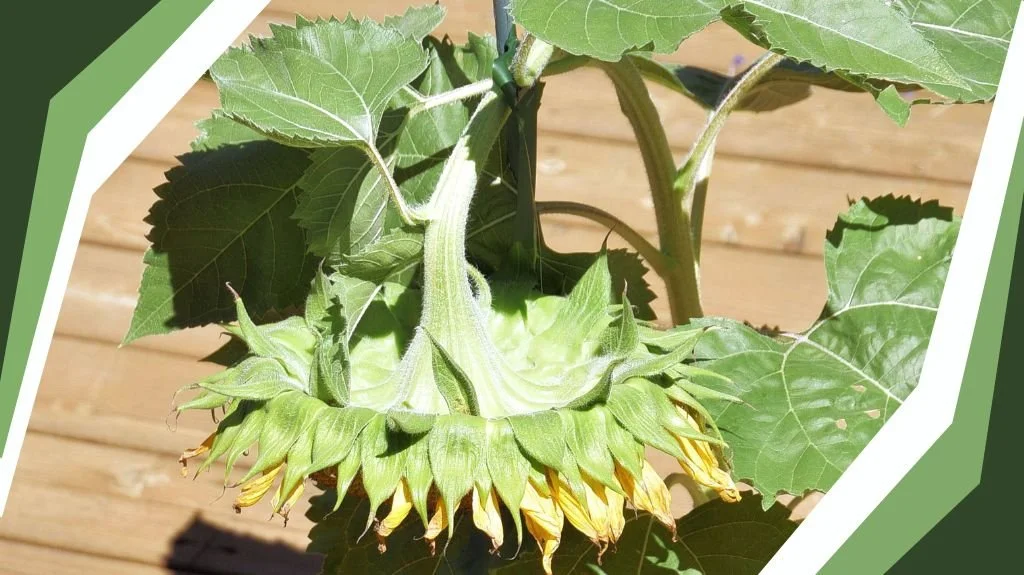
Diagnosing plant stress can feel overwhelming at first, but breaking it down into simple steps makes it much easier to identify the problem and take action. The following step-by-step process is designed for beginners and helps you systematically determine what your plants need.
Step 1: Observe the Pattern
Careful observation is the first and most important step in diagnosing plant stress. Look closely at which parts of the plant are affected and how symptoms appear.
Determine whether the whole plant is affected or just specific areas, such as certain branches or leaves.
Notice if older or newer leaves are showing symptoms, which can indicate nutrient deficiencies or other targeted issues.
Pay attention to patterns across multiple plants to see if the problem is environmental or widespread.
Observing these details helps narrow down the potential causes and prevents unnecessary treatments.
Step 2: Check the Soil
The condition of the soil provides vital clues about plant health. Soil problems are often the underlying cause of stress symptoms.
Check if the soil is dry, soggy, or compacted, as each condition affects root function differently.
Perform a smell test for root rot; a sour or musty odour can indicate overwatering or fungal issues.
Gently dig around the roots to ensure they are firm, white, and healthy, rather than brown and mushy.
By examining the soil, you can quickly identify water or root-related stress and take corrective measures.
Step 3: Review Recent Changes
Plants are sensitive to sudden changes in their environment or care routines. Reviewing recent events helps pinpoint potential stressors.
Note any recent heat waves or cold snaps that could have impacted the plant.
Consider whether new fertilizer or chemicals were applied that might have caused nutrient imbalance or burn.
Reflect on recent transplanting or pruning, which can temporarily shock plants.
Understanding these recent changes allows you to connect symptoms to specific causes and respond appropriately.
Step 4: Inspect for Pests
Insects and other pests are often easy to overlook but can be a major source of stress. Early detection is key to preventing further damage.
Carefully look under leaves, as many pests hide on the undersides.
Examine stems, branches, and the soil line for signs of insects, eggs, or webs.
Note visible damage, such as holes, sticky residue, or chewed edges, which helps identify the type of pest.
Accurate pest identification ensures that any treatment is targeted and effective.
Step 5: Identify and Treat Gradually
Once you have gathered your observations, it’s important to address stress causes methodically rather than making multiple changes at once.
Change one variable at a time, whether it’s adjusting watering, moving the plant, or applying fertilizer.
Monitor the plant’s response over several days or weeks before making additional changes.
Keep records of symptoms and treatments to help track progress and avoid repeated mistakes.
Taking a gradual, systematic approach minimizes the risk of overcorrecting and allows plants to recover steadily.
If symptoms persist, overlap, or are difficult to identify, consulting professionals like the professionals at Gauld Nurseries can prevent further damage and provide personalized guidance for restoring plant health.
4. Plant Stress Troubleshooting Chart
Sometimes it can be tricky to figure out exactly what’s stressing your plants, especially when symptoms look similar. A clear, easy-to-use reference can help you quickly identify common problems and take the right action.
The following troubleshooting chart summarizes key stress signs, likely causes, and simple first steps you can take to help your garden recover. It’s designed to make diagnosing plant stress fast and beginner-friendly
Plant Stress Signs: Troubleshooting Chart
| Symptom | Most Likely Cause | First Thing to Check | Quick Fix |
|---|---|---|---|
|
Wilting
|
Dry soil | Soil moisture level | 💧 Water deeply |
|
Wilting + soggy soil
|
Root rot | Drainage around roots | 🪨 Improve drainage |
|
Yellow lower leaves
|
Nitrogen deficiency | Fertilizer history | 🌿 Add nitrogen fertilizer |
|
Brown edges / Leaf scorch
|
Sun scorch, salt buildup, or wind exposure | Sun exposure & soil salt levels | ☂️ Provide shade 🚿 Flush soil 🚫 Reduce fertilizer |
|
Holes in leaves / Sticky residue
|
Insects — aphids, beetles, or mites | Inspect leaves, stems & soil line | 🪣 Hose off insects 🧴 Insecticidal soap 🐞 Attract beneficial insects |
Gardener's Tip: When in doubt, always check the soil first — most plant stress symptoms, whether wilting, yellowing, or scorching, trace back to a watering or drainage issue before anything else.
5. When to Seek Expert Help
While many plant stress issues can be corrected at home, there are times when professional guidance is the safest and fastest way to protect your garden. Knowing when to consult an expert can prevent small problems from becoming irreversible.
Signs You Should Get Help
You should consider seeking advice from a horticulture professional when your plants show persistent or complicated stress symptoms:
Stress lasting more than 2–3 weeks may indicate a deeper underlying problem that requires professional diagnosis.
Multiple symptoms at once, such as wilting, yellowing, and pest damage occurring together, can be difficult to identify and treat without expert guidance.
New or unusual pest damage may signal invasive insects or diseases that require targeted treatment to prevent spread.
Expensive or mature plants at risk deserve careful attention, as mistakes could cause permanent damage or loss.
Recognizing these warning signs early allows you to take action before stress causes long-term harm.
How Gauld Nurseries Can Help
If you encounter any of the above situations, bring photos or plant samples to Gauld Nurseries. Their knowledgeable horticulturists can provide personalized advice, accurately identify problems, and recommend safe, effective solutions tailored to your garden. Consulting experts not only saves time and effort but also helps ensure your plants stay healthy and thriving..
6. Preventing Plant Stress Before It Starts
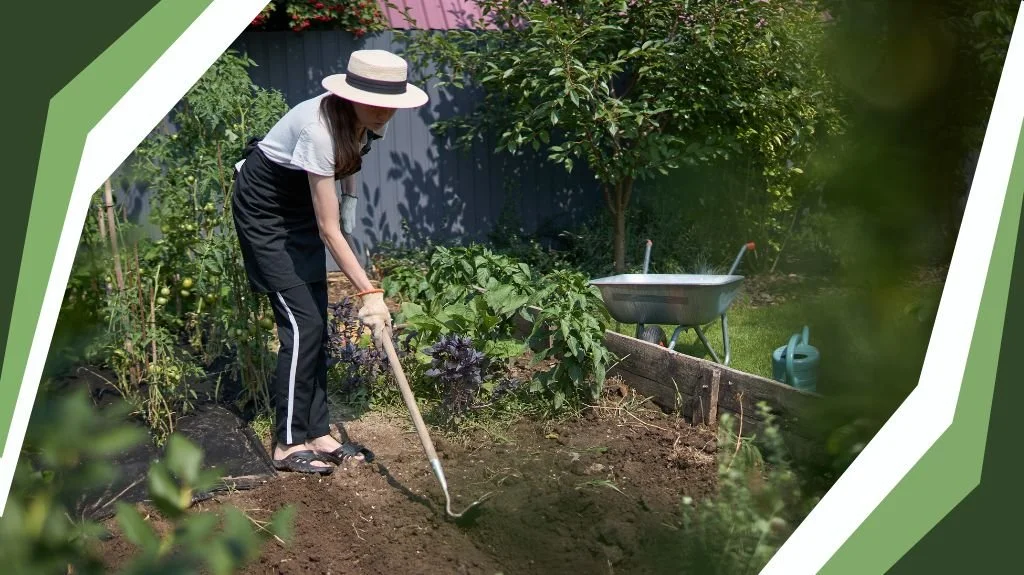
The best way to keep your garden healthy is to prevent plant stress before it happens. By taking proactive steps, you can reduce the likelihood of wilting, yellowing, pest problems, and nutrient deficiencies. Implementing these simple habits will help your plants thrive all season long.
Key Steps to Prevent Plant Stress
Choose plants suited to your climate to ensure they can handle local weather conditions, soil types, and seasonal changes.
Improve soil before planting by adding compost, organic matter, or other amendments to create a fertile, well-draining environment.
Water consistently to maintain even soil moisture, avoiding both overwatering and drought stress.
Mulch properly around plants to regulate soil temperature, conserve moisture, and reduce weed competition.
Monitor plants weekly for early signs of stress, pests, or disease so you can address issues promptly.
Following these preventative measures helps maintain strong, healthy plants and reduces the need for corrective interventions.
Gauld Nurseries is a trusted local resource for gardeners in the Niagara region. Their horticulturists provide expert guidance, high-quality plants, and tailored solutions to help your garden thrive, making it easier than ever to prevent plant stress before it starts.
Conclusion: Listen to Your Garden

Plant stress is your garden’s way of communicating, not a sign of failure. Every drooping leaf, yellowing stem, or pest-damaged branch is sending a message about what your plant needs.
By observing carefully and responding with patience, you can often reverse stress symptoms and help your plants recover fully. Most issues, from minor wilting to nutrient deficiencies, are correctable with the right care and attention.
When you’re unsure or symptoms persist, the knowledgeable horticulturists at Gauld Nurseries are ready to provide expert advice and personalized solutions. Visit Gauld Nurseries to get guidance, healthy plants, and practical support to keep your garden thriving.
Gauld Nurseries: For All Your Gardening Needs

If you’re located in the Niagara region, we highly recommend visiting Gauld Nurseries in Niagara Falls. Known for their experienced staff, beautiful nursery grounds, and strong selection of trees, shrubs, perennials, and native plants, Gauld Nurseries is a trusted local garden centre that helps gardeners of all experience levels succeed. It’s a great example of what makes a truly great garden centre, and a proud holder of the HowToGardenz Badge of Approval.
What Gauld Nurseries Customers Are Saying…
“We would highly recommend Gauld Nurseries. We've used them over the past several seasons and have been beyond satisfied each and every time. From Alex's and Paula's expertise and knowledge in planning to the many hard working crews. Everyone is professional, courteous and efficient. We absolutely love spending time outdoors enjoying the beauty of their work. They've truly transformed our yard which brings us so much joy.
There is no else we would rather call. Thank-you Gauld!” - Lucia L
Connect with Gardening Experts
Connect with our gardening experts at HowToGardenz! We provide tips, tools, and reviews to help you develop your green thumb while embracing sustainable and low-maintenance gardening practices. Learn how to grow a thriving garden that’s both eco-friendly and easy to care for!
Have gardening expertise to share? Or a thriving greenhouse to showcase? Join HowToGardenz! List your products or services and connect with other plant enthusiasts who are passionate about creating sustainable, beautiful gardens. Let's spread the joy of growing together, with less effort and more impact!