
Companion Planting That Works in Canada: Pairings for Pest Control & Better Growth
Companion planting is one of the simplest and most effective ways to grow a healthier, more productive garden without relying on chemicals. By pairing the right plants together, you can naturally deter pests, improve soil health, and even boost the flavour and yield of your crops. For Canadian gardeners, this approach is especially valuable, helping you make the most of a shorter growing season while supporting strong, resilient plants. Whether you’re planting tomatoes, herbs, or leafy greens, a few smart combinations can make a noticeable difference in your garden’s success.
If you’re not sure which pairings work best in your area, the team at Gauld Nurseries can help you choose the right companion plants and provide expert advice to get your garden thriving.
"We would highly recommend Gauld Nurseries. We've used them over the past several seasons and have been beyond satisfied each and every time. From Alex's and Paula's expertise and knowledge in planning to the many hard working crews. Everyone is professional, courteous and efficient. We absolutely love spending time outdoors enjoying the beauty of their work. They've truly transformed our yard which brings us so much joy.
There is no else we would rather call. Thank-you Gauld!"
- Lucia L
"Great place to shop! The staff is super helpful and knowledgeable. I was having trouble finding the right trees and shrubs for my yard and the staff were amazing at helping me make the right choices. If you want knowledgeable people to help with your garden needs shop at Gaulds!"
- Jack Ashcroft
Key Takeaways
Companion planting is a simple gardening method that pairs plants together to improve growth, reduce pests, and support healthier soil naturally.
Proven combinations like tomatoes with basil, beans with corn, and carrots with onions work especially well in Canadian gardens.
Avoid pairing incompatible plants, as some combinations can reduce growth, increase disease risk, or attract similar pests.
Planning your garden step-by-step helps ensure proper spacing, sunlight exposure, and balanced plant relationships.
Canadian climate zones play a major role in plant success, so choosing regionally adapted varieties is essential.
Starting small with a few reliable pairings is the best way for beginners to build confidence and see results.
Local expertise, such as guidance from Gauld Nurseries, can significantly improve planting success and help you choose the right combinations for your area.
Companion Planting That Works in Canada: Pairings for Pest Control & Better Growth
1. What Is Companion Planting? (Beginner-Friendly Explanation)
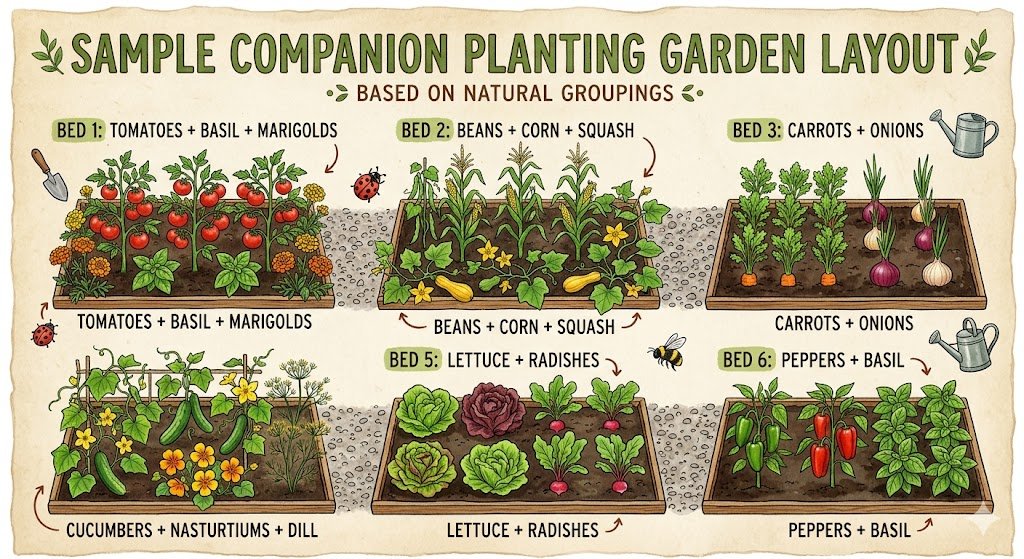
At its core, Companion Planting is the practice of growing certain plants together so they can help each other thrive.
A Simple Way to Think About It
A helpful way to understand companion planting is to think of it like good neighbours in a community. Some plants protect each other, some share resources, and others simply grow better when they’re side by side, just like people who support one another.
How Companion Planting Works
Companion planting works because different plants interact with their environment and each other in unique ways.
Certain plants naturally repel or confuse pests, helping protect nearby crops from damage.
Some plants improve the soil by adding nutrients or making them more accessible to others.
Other plants provide physical benefits like shade, ground cover, or structural support.
Together, these interactions create a more balanced and productive garden ecosystem.
Key Benefits of Companion Planting
Pest Confusion or Deterrence
Plants can act as natural pest control by masking scents or repelling insects.
Strong-smelling plants like herbs can confuse pests and make it harder for them to find their target crops.
Certain flowers and companion plants actively repel harmful insects that would otherwise damage vegetables.
This means fewer pest problems without relying on chemical sprays.
Nutrient Sharing
Some plants help improve the soil, making nutrients more available for their neighbours.
Legumes like beans add nitrogen to the soil, which supports the growth of nearby plants.
Deep-rooted plants can bring nutrients up from lower soil layers, benefiting shallow-rooted companions.
This natural cooperation can lead to healthier plants and better yields.
Shade & Support
Companion plants can also physically support each other as they grow.
Taller plants can provide shade for crops that prefer cooler conditions or are sensitive to heat.
Climbing plants can use sturdy companions as natural trellises, reducing the need for extra structures.
This makes your garden more efficient and easier to manage.
Why Companion Planting Works So Well in Canada
Companion planting is especially valuable for Canadian gardeners dealing with shorter growing seasons and unpredictable weather.
Strategic plant pairings can help maximize growth during limited warm months.
Natural pest control reduces the need for interventions during peak growing periods.
Efficient use of space allows gardeners to grow more in smaller beds or containers.
By choosing the right combinations, you can create a resilient garden that performs well even in challenging Canadian conditions.
In simple terms, companion planting is about working with nature, not against it, to grow a healthier, more productive garden.
2. Quick Companion Planting Chart (Easy Reference)
If you’re just getting started with companion planting, a simple visual reference can make planning your garden much easier. The chart below highlights some of the most reliable plant pairings for Canadian gardens, showing which crops work well together and why.
These combinations are beginner-friendly, widely used, and recommended for consistent results in home gardens across Canada.
| 🌿 Main Crop | 🤝 Best Companions | ✨ Benefits |
|---|---|---|
Tomatoes |
🌿 Basil🌼 Marigolds | Repel pests and improve flavour and plant health. |
Beans |
🌽 Corn | Beans fix nitrogen in the soil while corn provides natural support. |
Carrots |
🧅 Onions | Strong scents help confuse and deter common root pests. |
Cucumbers |
🌿 Dill🌺 Nasturtiums | Attract pollinators and help repel harmful insects. |
Lettuce |
🌱 Radishes | Radishes act as trap crops and protect tender lettuce. |
Peppers |
🌿 Basil | Improves growth and helps naturally repel pests. |
3. Top Companion Plant Pairings That Work in Canada
Choosing the right plant combinations can make a noticeable difference in how your garden performs, especially in Canadian climates. The following tried-and-true pairings are easy for beginners and commonly recommended by experts like Gauld Nurseries for reliable results.
Tomatoes + Basil + Marigolds
This is one of the most popular and effective companion planting combinations for home gardens.
Basil may help enhance the growth and flavour of tomatoes when planted nearby.
Marigolds can deter nematodes and other harmful insects in the soil.
This combination is ideal for Ontario backyard gardens with full sun exposure.
These plants work together to improve both plant health and harvest quality.
Beginner Tip:
Plant basil about 12–18 inches away from your tomato plants to give both enough space to grow.
Beans + Corn (The “Two Sisters” Method)
This classic pairing is simple, efficient, and well-suited for Canadian summers.
Beans fix nitrogen in the soil, which helps feed heavy-growing crops like corn.
Corn provides natural vertical support for climbing bean plants.
Together, these plants create a mutually beneficial growing system.
Optional Add-On:
You can expand this into the traditional “Three Sisters” method by adding squash, which acts as ground cover to retain moisture and suppress weeds.
Carrots + Onions
This pairing is especially useful for gardeners looking to reduce pest problems naturally.
Carrot flies and onion flies are common pests that can damage crops.
These plants help protect each other through their natural properties.
The strong scent of onions confuses carrot flies and makes it harder for them to locate carrots.
The scent of carrots can similarly help deter onion flies.
This pairing is a smart choice for raised beds and small garden spaces.
Cucumbers + Nasturtiums + Dill
This combination supports both pest control and pollination.
Nasturtiums help repel aphids and can act as a trap crop for unwanted insects.
Dill attracts beneficial insects like pollinators and predatory bugs that feed on pests.
Together, these plants create a healthier and more balanced garden environment.
This pairing is ideal for boosting pollination and improving cucumber yields.
Lettuce + Radishes
This is a simple and effective pairing, especially for early-season planting.
Fast-growing radishes act as a “trap crop” by attracting pests away from lettuce.
This helps protect tender lettuce leaves from damage during early growth stages.
These plants work well together in cooler temperatures.
This pairing is perfect for cool Canadian spring planting when lettuce thrives.
Peppers + Basil
Peppers benefit from many of the same companions as tomatoes, making this an easy pairing to try.
Basil can help boost pepper plant growth while also repelling certain pests.
Both plants thrive in similar growing conditions, making them easy to manage together.
This combination is especially useful for small-space gardening.
It works well in containers, making it ideal for patios, balconies, or compact garden beds.
4. Plants You Should NOT Pair Together
While companion planting can significantly improve garden success, some plant combinations can actually have the opposite effect. Understanding what not to plant together is just as important as knowing good pairings, especially for beginners learning through resources like Gauld Nurseries.
Common Plant Pairings to Avoid
The following combinations are known to compete for resources, attract similar pests, or increase disease risk in the garden.
Tomatoes and corn should generally not be planted together because they can attract similar pests, increasing the likelihood of infestations.
Beans and onions should be avoided because onions can inhibit the growth of beans and reduce their overall productivity.
Carrots and dill should not be planted together because they compete for nutrients and can negatively affect each other’s growth.
Cucumbers and potatoes should be kept apart because they increase the risk of shared diseases that can spread quickly between plants.
These combinations can create unnecessary stress in your garden and reduce overall yields.
| 🌿 Main Crop | ⛔ Avoid Planting With | ⚠️ Why to Avoid |
|---|---|---|
🍅Tomatoes |
🌽 Corn | Attract similar pests, increasing the likelihood of infestations. |
🫘Beans |
🧅 Onions | Onions inhibit bean growth and reduce overall productivity. |
🥕Carrots |
🌿 Dill | Compete for nutrients and negatively affect each other's growth. |
🥒Cucumbers |
🥔 Potatoes | Increase risk of shared diseases that can spread quickly between plants. |
Why Avoiding Bad Pairings Matters
Even strong, healthy plants can struggle when placed next to incompatible companions. Poor pairings can lead to slower growth, higher pest pressure, and reduced harvest quality.
By avoiding these combinations, gardeners can create a more balanced and productive growing environment where plants support rather than compete with each other.
A Simple Rule for Beginners
If you are unsure whether two plants work well together, it is always safer to separate them until you gain more experience. Over time, you will start to recognize which combinations consistently perform well in your own garden conditions.
5. How to Plan Your Companion Garden (Step-by-Step)
Planning a successful companion garden is all about starting simple and building a balanced system where plants support each other. By taking a step-by-step approach, even beginner gardeners can create productive and low-maintenance garden beds suited to Canadian growing conditions, especially with guidance from experts like Gauld Nurseries.
Step 1: Start with Your Main Crops
The first step is to decide what vegetables or herbs you want to grow as your primary focus.
Choose crops that you and your family will actually use and enjoy eating throughout the season.
Prioritize plants that are well-suited to your local Canadian climate and growing zone.
Starting with a clear foundation helps you build an effective companion planting plan around your main crops.
Step 2: Add Pest-Repelling Plants
Once your main crops are chosen, the next step is to introduce plants that naturally help protect them.
Include herbs and flowers that deter common garden pests without the need for chemicals.
Place these companion plants near vulnerable crops to create a natural barrier against insects.
This step helps reduce pest problems before they start and supports healthier plant growth.
Step 3: Mix in Pollinator-Friendly Flowers
Adding flowers to your garden is an important part of improving pollination and overall plant health.
Choose flowers that attract bees, butterflies, and other beneficial insects to your garden.
Position flowering plants throughout your garden beds to encourage even pollination across all crops.
This creates a more active and productive garden ecosystem.
Step 4: Consider Spacing and Sunlight
Proper spacing and sunlight are essential for companion planting success.
Ensure each plant has enough space to grow without competing for light, water, or nutrients.
Group plants based on their sunlight needs so that sun-loving and shade-tolerant crops are both supported.
Good spacing helps prevent disease and ensures stronger, healthier plants.
Step 5: Rotate Crops Yearly
Crop rotation is an important long-term strategy for maintaining soil health.
Change the location of plant families each year to prevent soil depletion and reduce pest buildup.
Avoid planting the same crops in the same spot season after season.
This keeps your garden soil productive and helps maintain consistent yields over time.
- Decide which vegetables or herbs will be your primary focus.
- Choose crops your family will actually enjoy eating throughout the season.
- Prioritize plants suited to your local Canadian climate and growing zone.
- Introduce herbs and flowers that deter common garden pests naturally.
- Place companion plants near vulnerable crops to create a protective barrier.
- Reduce pest problems before they start and support healthier plant growth.
- Choose flowers that attract bees, butterflies, and other beneficial insects.
- Position flowering plants throughout beds to encourage even pollination.
- Creates a more active and productive garden ecosystem overall.
- Ensure each plant has enough room to grow without competing for light or water.
- Group plants based on sunlight needs — sun-loving and shade-tolerant together.
- Good spacing helps prevent disease and encourages stronger, healthier plants.
- Change the location of plant families each year to prevent soil depletion.
- Avoid planting the same crops in the same spot season after season.
- Keeps your soil productive and maintains consistent yields over time.
Pro Tip: Get Local Expert Advice
Every garden is different, especially across Canadian regions with varying soil and climate conditions.
Ask the team at Gauld Nurseries for tailored recommendations based on your specific location and garden goals.
Their experience with locally successful plant combinations can help you avoid mistakes and achieve better results faster.
By following these simple steps, you can build a well-planned companion garden that supports healthier plants, fewer pests, and more abundant harvests.
6. Companion Planting for Canadian Climate Zones
Companion planting works best when it is adapted to local growing conditions, especially in a country like Canada, where climate zones can vary significantly. Understanding your region helps you choose the right plant combinations and maximize your garden’s success, particularly when working with guidance from experts such as Gauld Nurseries.
Southern Ontario: Longer Growing Season, More Variety
*Image by Alexey Marcov from Pixabay
Gardeners in Southern Ontario benefit from one of the most favourable climates in Canada for vegetable gardening.
The longer frost-free season allows for a wider range of companion planting combinations, including warm-season crops like tomatoes, peppers, and cucumbers.
Gardeners can successfully experiment with more diverse pairings and extended succession planting throughout the season.
This region provides flexibility for both beginner and advanced companion planting strategies.
Northern Regions: Focus on Hardy, Fast-Growing Crops
In Northern Canadian climates, the growing season is shorter, so plant selection becomes more important.
Gardeners should focus on fast-maturing vegetables and hardy varieties that can withstand cooler temperatures and unpredictable weather.
Companion planting in these regions works best when prioritizing efficiency, such as pairing quick-growing crops that support each other within a limited season.
This approach helps ensure reliable harvests even in challenging conditions.
Choose Plants That Are Suited to Your Local Climate
Regardless of region, selecting plants that are adapted to your specific growing zone is one of the most important factors for success.
Locally suited plants are more likely to thrive, resist pests, and produce consistent yields in your garden environment.
Companion planting becomes far more effective when all plants in the system are well-matched to the same climate conditions.
This reduces failure rates and makes gardening more predictable and rewarding.
The Value of Local Nursery Expertise
Working with local experts can significantly improve your results, especially when planning companion plant combinations.
Nurseries like Gauld Nurseries carry plant varieties that are proven to perform well in regional Canadian climates.
Their staff can help you choose compatible plants that are suited to your specific zone and growing conditions.
This local knowledge helps take the guesswork out of companion planting and increases your chances of success.
By tailoring your companion planting strategy to your Canadian climate zone, you can create a more resilient and productive garden that performs well throughout the growing season.
7. Beginner Mistakes to Avoid
Companion planting is simple once you understand the basics, but many beginners make a few common mistakes that can limit their success. By avoiding these pitfalls, you can get better results from your garden more quickly, especially when using guidance from experienced growers such as Gauld Nurseries.
Overcrowding Plants
One of the most common mistakes is trying to fit too many plants into a small space.
Overcrowding reduces airflow between plants, which can increase the risk of disease and pest problems.
It also forces plants to compete for sunlight, water, and nutrients, which can weaken overall growth.
Healthy spacing is essential for strong, productive companion planting systems.
Ignoring Sunlight Needs
Different plants have different sunlight requirements, and ignoring this can quickly lead to poor results.
Sun-loving crops like tomatoes and peppers will struggle if placed in shaded areas.
Shade-tolerant plants may become stressed or dry out if exposed to too much direct sun.
Matching plants to the right light conditions helps ensure consistent growth and better yields.
Expecting Instant Results
Companion planting is a natural system, and it does not produce immediate or dramatic changes overnight.
Pest reduction and soil improvements often take time to become noticeable in the garden.
Plants need at least one full growing season to show the true benefits of their companions.
Patience is important when building a healthy and balanced garden ecosystem.
Not Rotating Crops
Failing to rotate crops from year to year can reduce soil health and increase pest pressure.
Planting the same crops in the same location repeatedly can deplete specific nutrients in the soil.
It can also allow pests and diseases to build up in one area over time.
Crop rotation helps maintain long-term soil fertility and garden productivity.
Relying on Myths Instead of Proven Pairings
Not all companion planting advice found online is accurate or based on evidence.
Some plant combinations are repeated widely but do not actually provide measurable benefits in real gardens.
Following unproven advice can lead to wasted space and disappointing results.
It is always best to rely on tested pairings and trusted local expertise when planning your garden.
Avoiding these common mistakes will help you build a more successful and resilient companion garden with fewer setbacks and better overall results.
8. Where to Find the Right Companion Plants

Finding the right plants is just as important as knowing which combinations work together. Healthy, locally grown plants give your companion garden the strongest possible start, especially in Canadian climates where growing conditions can vary widely. Choosing a trusted local source like Gauld Nurseries can make a significant difference in your results.
Why Healthy, Locally Grown Plants Matter
Starting with strong plants sets the foundation for a successful companion garden.
Locally grown plants are already adapted to your regional climate, which helps them establish faster and grow more reliably.
Healthy nursery stock is less likely to carry pests or diseases that could spread to other plants in your garden.
When you begin with strong, well-suited plants, companion planting strategies become far more effective.
Why Gauld Nurseries Is a Great Choice for Companion Planting
Working with an experienced local nursery can help remove the guesswork from garden planning. Gauld Nurseries is a strong resource for gardeners looking to build successful companion planting systems.
The staff are knowledgeable and can help you select plants that grow well together in real Canadian garden conditions.
They offer a strong selection of companion-friendly vegetables, herbs, and flowers suited for home gardens.
They provide guidance tailored specifically to Niagara and Southern Ontario growing conditions, helping gardeners choose the right varieties for their zone.
This local expertise helps ensure that your companion planting choices are both practical and effective.
Getting the Best Results from Your Plant Selection
Once you have the right plants, success comes down to how you combine and care for them.
Choosing compatible plants from a trusted nursery makes it easier to build a balanced and productive garden layout.
Pairing healthy plants with proven companion planting strategies increases your chances of strong growth and higher yields.
With the right plant source and a solid plan, your garden is set up for long-term success.
By sourcing your plants carefully and working with local experts, you can create a healthier, more productive companion garden that performs well throughout the growing season.
Start Your Companion Garden with Gauld Nurseries

Companion planting is a simple, natural, and highly effective way to improve the health and productivity of your garden. By pairing the right plants together, you can reduce pests, improve soil health, and boost overall growth without relying on chemicals or complicated gardening methods. The key is to start small, focus on proven combinations, and build confidence as you learn what works best in your own space.
For beginners, the most important step is not to overthink it; choose a few reliable pairings like tomatoes with basil or beans with corn and expand from there as you gain experience. Over time, these small, intentional choices can transform your garden into a thriving, balanced ecosystem.
If you’re ready to get started or want expert guidance tailored to your region, visit Gauld Nurseries for advice and high-quality plants that are perfect for companion planting success in Canadian gardens.
What Gauld Nurseries Customers Are Saying…
“We would highly recommend Gauld Nurseries. We've used them over the past several seasons and have been beyond satisfied each and every time. From Alex's and Paula's expertise and knowledge in planning to the many hard working crews. Everyone is professional, courteous and efficient. We absolutely love spending time outdoors enjoying the beauty of their work. They've truly transformed our yard which brings us so much joy.
There is no else we would rather call. Thank-you Gauld!” - Lucia L
Connect with Gardening Experts
Connect with our gardening experts at HowToGardenz! We provide tips, tools, and reviews to help you develop your green thumb while embracing sustainable and low-maintenance gardening practices. Learn how to grow a thriving garden that’s both eco-friendly and easy to care for!
Have gardening expertise to share? Or a thriving greenhouse to showcase? Join HowToGardenz! List your products or services and connect with other plant enthusiasts who are passionate about creating sustainable, beautiful gardens. Let's spread the joy of growing together, with less effort and more impact!