
The Complete Guide to Mulching: Types, Benefits, and How Much You Actually Need
Mulching is one of the simplest yet most effective ways to improve the health and appearance of your garden. By adding a layer of mulch around your plants, you can retain soil moisture, suppress weeds, regulate soil temperature, and even enrich the soil as it breaks down. Whether you’re tending to flower beds, vegetable gardens, or shrubs, understanding the right type of mulch and how to apply it makes all the difference.
For expert guidance and a wide selection of high-quality mulch products tailored for Southern Ontario gardens, visit Gauld Nurseries and get the professional advice you need to keep your garden thriving.
Key Takeaways
Mulching is essential for retaining soil moisture, suppressing weeds, regulating soil temperature, and improving soil health.
Organic mulches enrich the soil as they break down, while inorganic mulches are long-lasting and low-maintenance.
Apply mulch at a depth of 2–4 inches, keeping it 2–3 inches away from stems and tree trunks.
Maintain and refresh mulch seasonally to ensure optimal benefits throughout the year.
Choose mulch types appropriate for your soil, plants, and climate—Gauld Nurseries can provide expert advice and high-quality products for Southern Ontario gardens.
The Complete Guide to Mulching: Types, Benefits, and How Much You Actually Need
1. What is Mulching and Why It Matters
Mulching is the practice of covering the soil around plants with a layer of material, such as bark, wood chips, leaves, or stones, to protect and improve the garden. This simple gardening technique offers multiple benefits for both soil and plants, making it an essential part of maintaining a healthy garden.
Key Benefits of Mulching
Benefits of Mulching
Why every garden deserves a good layer
Retains soil moisture
Mulch helps the soil hold water longer, reducing the need for frequent watering and keeping plants hydrated during dry spells.
Improves soil structure and health
Organic mulches break down over time, adding nutrients to the soil and encouraging beneficial microbial activity.
Suppresses weed growth
A thick layer of mulch makes it harder for weeds to take root, saving you time and effort on maintenance.
Regulates soil temperature
Mulch acts as insulation, keeping soil cooler in summer and warmer in winter, which helps protect plant roots from temperature extremes.
Applying mulch correctly can make a big difference in your garden’s health and appearance. Here are the main benefits:
Retains soil moisture.
Mulch helps the soil hold water longer, reducing the need for frequent watering and keeping plants hydrated during dry spells.Improves soil structure and health.
Organic mulches break down over time, adding nutrients to the soil and encouraging beneficial microbial activity.Suppresses weed growth.
A thick layer of mulch makes it harder for weeds to take root, saving you time and effort on maintenance.Regulates soil temperature.
Mulch acts as insulation, keeping soil cooler in summer and warmer in winter, which helps protect plant roots from temperature extremes.
By covering the soil, mulch creates a more stable environment for your plants and promotes overall garden health.
Gauld Nurseries’ Advice
Choosing the right type of mulch for your local climate and soil conditions is crucial for achieving these benefits. Gauld Nurseries recommends selecting mulch that matches your garden’s needs; whether it’s retaining moisture for vegetable beds, improving soil for perennials, or providing decorative appeal for landscaping. Their team of experts can help you pick the best mulch products for Southern Ontario gardens, ensuring your plants thrive all season long.
Proper mulching isn’t just about adding material to the soil; it’s about creating a healthy, sustainable environment where your garden can flourish.
2. Types of Mulch
Organic vs inorganic mulch
Choosing the right mulch for your garden
Organic mulch
Natural, breaks down over time
Improves soil fertility
Decomposes to add nutrients, supporting healthy plant growth.
Retains moisture effectively
Helps soil hold water, reducing the frequency of watering.
Natural weed suppression
A thick layer can significantly reduce weed growth.
Enhances garden aesthetics
Shredded bark or coloured wood chips create a neat, attractive look.
Inorganic mulch
Durable, does not decompose
Long-lasting weed suppression
Blocks sunlight and prevents weeds without frequent replacement.
Low maintenance
Does not break down, requiring minimal upkeep over time.
Durability in high-traffic areas
Ideal for pathways, driveways, and garden borders.
Decorative variety
Gravel, stones, or coloured rubber can enhance landscape aesthetics.
Choosing the right type of mulch is essential for achieving the benefits of mulching. Mulches can be broadly divided into organic and inorganic types, each with unique properties that affect soil health, moisture retention, and weed control.
Organic Mulches
Organic mulches are made from natural materials that break down over time, enriching the soil while providing protection. Common examples include bark, wood chips, shredded leaves, straw, and compost.
Using organic mulch has several advantages:
Improves soil fertility.
As organic mulch decomposes, it adds nutrients to the soil, supporting healthy plant growth.Retains moisture effectively.
Organic materials help the soil hold water, reducing the frequency of watering.Provides natural weed suppression.
A thick layer of organic mulch can significantly reduce weed growth.Enhances garden aesthetics.
Mulches like shredded bark or coloured wood chips can create a neat, attractive appearance.
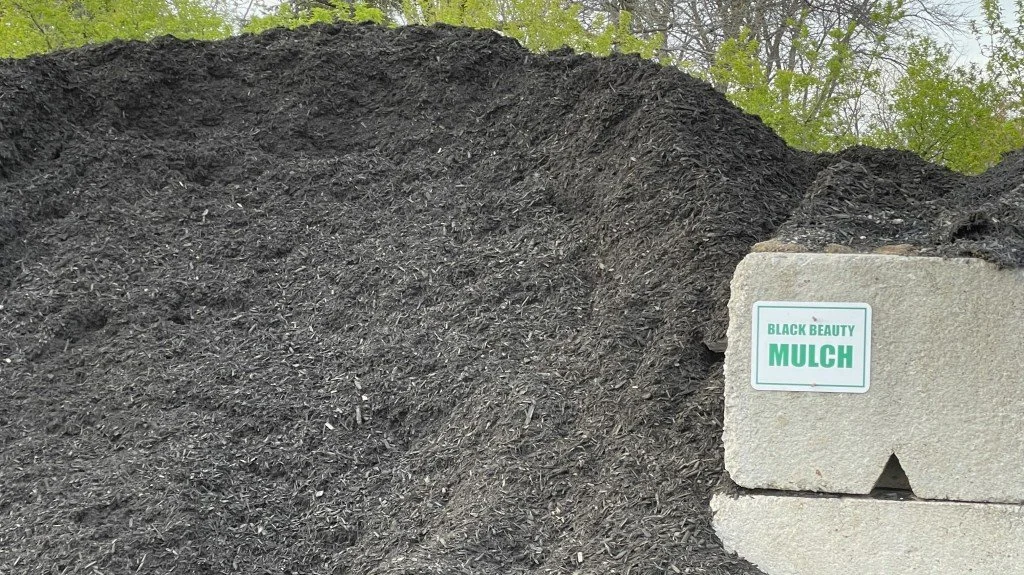
Example: Gauld Nurseries offers a variety of organic mulches suitable for Southern Ontario gardens, including Cedar, Mocha Brown, Canada Red, Hemlock, and Black Beauty, all designed to improve soil health while keeping weeds under control.
Inorganic Mulches
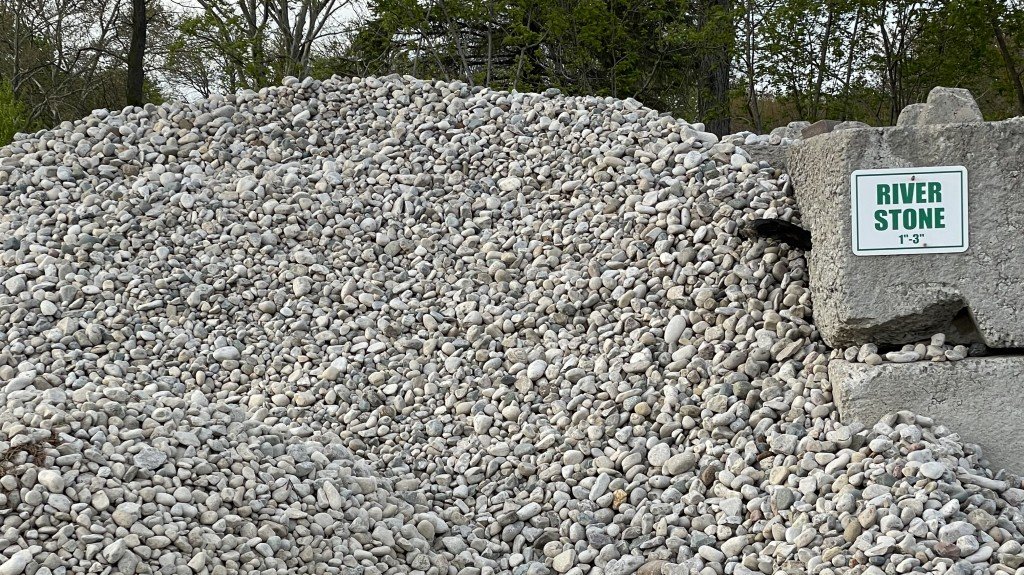
Inorganic mulches are made from materials that do not decompose. They are ideal for areas where long-lasting coverage or decorative appeal is desired. Common examples include rubber mulch, landscape fabric, gravel, and decorative stones.
Benefits of inorganic mulches include:
Long-lasting weed suppression.
Inorganic mulches block sunlight and prevent weeds from growing without needing frequent replacement.Low maintenance.
These mulches do not break down and require minimal upkeep.Durability in high-traffic areas.
They are ideal for pathways, driveways, and garden borders.Variety of decorative options.
Gravel, stones, or coloured rubber can enhance landscape aesthetics.
Example: Gauld Nurseries recommends using gravel or stones in garden paths and decorative beds in Southern Ontario gardens. For areas where soil enrichment isn’t a priority but weed suppression and durability are important, inorganic mulches provide a practical solution.
3. How Mulch Affects Soil Health, Moisture, and Weed Control
Mulching doesn’t just make your garden look tidy; it actively improves the conditions your plants grow in. Different types of mulch interact with soil, water, and weeds in unique ways, so understanding these effects helps you choose the right mulch and apply it properly.
Impact on Soil Health
Mulch plays a key role in maintaining and improving soil quality.
Organic mulches enrich the soil over time.
As materials like bark, leaves, or compost break down, they release nutrients that feed plants and support beneficial microorganisms.Protects soil structure.
Mulch prevents soil compaction by cushioning the surface, allowing roots to grow more easily.Reduces erosion.
A layer of mulch shields soil from heavy rain and wind, keeping it in place and protecting plant roots.
By supporting soil health, mulch helps plants develop stronger roots and improves overall garden resilience.
Moisture Retention
Mulch acts as a natural barrier to water loss, helping your garden stay hydrated with less frequent watering.
Slows evaporation.
A 2–4 inch layer of mulch reduces water loss from the soil, keeping it moist longer during dry spells.Maintains consistent soil moisture.
Even moisture levels prevent plant stress and reduce the risk of root diseases caused by fluctuating wet and dry conditions.Reduces watering frequency.
Less frequent watering saves time, effort, and water resources.
Maintaining proper moisture levels is especially important for young plants and vegetable gardens, where consistent hydration promotes healthy growth.
Weed Suppression
Mulch is one of the most effective tools for keeping weeds under control in your garden.
Blocks sunlight from reaching weed seeds.
This prevents many weeds from germinating and taking hold.Reduces competition for nutrients.
By keeping weeds in check, mulch allows your plants to access more nutrients and water.Saves time on garden maintenance.
Less weeding means you can focus more on planting, pruning, and enjoying your garden.
When applied at the right thickness, typically 2–4 inches, mulch provides a natural barrier that keeps weeds at bay while benefiting your plants.
Gauld Nurseries Tip
Gauld Nurseries emphasizes that selecting the right mulch for your local soil and climate is essential. In Southern Ontario gardens, organic mulches like hardwood bark or shredded leaves are ideal for most planting beds, while inorganic options like gravel are perfect for paths and decorative areas. Their experts can help you match the mulch type to your garden’s needs for optimal soil health, moisture retention, and weed control.
By understanding how mulch affects soil, water, and weeds, you can make informed choices that keep your garden healthy, hydrated, and low-maintenance all season long.
4. How Much Mulch Do You Need
Applying the right amount of mulch is just as important as choosing the right type. Too little won’t provide the benefits you want, while too much can harm plants and soil.
Recommended Mulch Depth
Most garden beds benefit from a 2–4 inch layer of mulch. This depth provides adequate moisture retention, weed suppression, and soil protection.
2 inches: Suitable for vegetable gardens, annuals, and delicate plants that may be sensitive to heavy coverage.
3 inches: Ideal for perennial flower beds and shrubs, providing balanced moisture retention and weed control.
4 inches: Best for larger shrubs, trees, and areas needing strong weed suppression, but avoid piling directly against plant stems.
Tip: Always keep mulch 2–3 inches away from stems and tree trunks to prevent rot and pest problems.
Seasonal Mulching Tips
Maintaining mulch throughout the year ensures your garden stays healthy and protected:
Spring:
Refresh old mulch to replenish nutrients and cover any bare soil from winter.Summer:
Maintain a consistent layer to conserve moisture during hot months and reduce watering.Fall:
Add fresh mulch to protect roots from frost and temperature fluctuations in winter.Winter:
Avoid over-mulching around perennials to prevent mould or excessive moisture retention under snow.
By following these depth and seasonal guidelines, your mulch will maximize soil protection, moisture retention, and weed control throughout the year.
5. How to Properly Install Mulch
Garden Care Guide
How to Apply Mulch
Follow these steps for healthy, weed-free garden beds
Clear the Area
Remove weeds, debris, and old mulch
Wet the Soil
Water the bed before applying mulch
Apply Mulch
Spread 2–4 inches deep, evenly
Leave Stem Gap
Keep mulch 2–3 inches from stems
Check & Maintain
Top up annually, inspect monthly
Clear the Area
Start with a clean slate. Pull weeds by the root, rake away fallen leaves, twigs, and old degraded mulch. Clearing debris prevents pests and disease from being sealed under the new layer.
- Pull weeds by hand or use a hoe — don't just top them
- Remove any diseased plant material from the bed
- Rake the soil surface lightly to loosen the top inch
- Best time to mulch: early spring before weeds germinate
Wet the Soil
Water the bed thoroughly before laying mulch. Moist soil is easier for roots to penetrate and helps mulch settle into place. Dry soil under mulch can create a barrier that repels future watering.
- Water to a depth of 2–3 inches before mulching
- Do not mulch waterlogged or frozen soil
- If applying in rain, let the soil drain first
- Ideal soil: damp but not soggy
Apply Mulch Evenly
Spread mulch 2–4 inches deep across the entire bed. Too thin and weeds still break through; too thick and roots can suffocate. Use a rake to level it into a consistent, even layer.
- Aim for exactly 2–4 inches — measure with a ruler first
- Shredded bark or wood chips work best for most gardens
- Use a pitchfork or hands to break up clumps
- Work away from the centre outward for even spread
Leave a Gap Around Stems
Never pile mulch against plant stems or tree trunks — this is known as "volcano mulching" and causes rot, disease, and pest damage. Leave a clear ring of 2–3 inches around every plant base.
- Keep mulch at least 2–3 inches from stems
- For trees, maintain a gap of 6 inches from the trunk
- The mulch should never touch any living plant tissue
- Check gaps again after heavy rain shifts the mulch
Check & Maintain
Mulch breaks down over time, which is good — it adds organic matter to your soil. But as it thins, its benefits diminish. Check depth monthly and top up once a year in spring to keep the 2–4 inch layer intact.
- Refresh mulch every spring before the growing season
- Fluff compacted mulch with a rake to restore airflow
- Watch for signs of fungal growth (pull affected patches)
- In autumn, add a thicker layer for winter root protection
Proper installation is key to getting the most benefits from mulching. Applying mulch incorrectly can reduce its effectiveness or even harm your plants. Follow these simple steps for a healthy, attractive garden.
Step-by-Step Guide
Clear the area of weeds and debris.
Remove any existing weeds, rocks, or old mulch to create a clean surface. This prevents weeds from growing through and ensures your new mulch lies evenly.
Water the soil.
Moist soil helps mulch settle and provides immediate benefits to plants. Mulch on dry soil may not retain water as effectively.
Apply mulch evenly.
Spread a 2–4 inch layer of mulch over the soil, ensuring coverage without piling it against plant stems or tree trunks.
Maintain a gap around stems and trunks.
Keep 2–3 inches of space between mulch and plant stems or tree trunks to prevent rot, pests, and fungal problems.
Level and smooth the mulch.
Use a rake or your hands to distribute mulch evenly, avoiding mounds or thin spots. This ensures consistent moisture retention and weed suppression.
Refresh as needed.
Check mulch throughout the season and add more if it decomposes or gets displaced by wind, rain, or animals.
Seasonal Tips from Gauld Nurseries
Spring: Add fresh mulch to rejuvenate beds after winter.
Summer: Top up thin areas to maintain consistent soil moisture.
Fall: Apply a thicker layer for winter protection, especially around perennials and shrubs.
Following these steps ensures your mulch provides maximum benefits: protecting soil, retaining moisture, and suppressing weeds, while keeping your garden looking neat and healthy.
6. Common Mulching Mistakes to Avoid
Even experienced gardeners can make mistakes when mulching, which can reduce benefits or even harm plants. Being aware of these common errors helps ensure your mulch promotes a healthy, thriving garden.
Mulching Mistakes
Here are the most common mistakes and how to avoid them:
Piling mulch too thickly.
Applying more than 4 inches of mulch can suffocate roots, trap excess moisture, and promote rot or fungal growth. Always stick to the recommended 2–4 inches.
Mulching too close to stems or trunks.
Keeping mulch against tree trunks or plant stems can lead to decay, pests, or disease. Maintain a 2–3 inch gap to protect the base of your plants.
Using the wrong type of mulch.
Not all mulch is suitable for every garden bed. Organic mulches are best for improving soil fertility, while inorganic mulches work better for paths and decorative areas. Consider your soil type, plant needs, and climate before choosing.
Ignoring seasonal maintenance.
Mulch can shift, decompose, or thin out over time. Failing to refresh it seasonally reduces its effectiveness in moisture retention and weed suppression.
Neglecting soil preparation.
Applying mulch over weeds, debris, or compacted soil can create problems rather than solve them. Clear and prepare the soil before mulching for best results.
By avoiding these common mistakes, your mulch will work effectively to protect your soil, retain moisture, and keep weeds under control, helping your garden flourish all season long.
7. Seasonal Mulching Recommendations
Year-Round Care
Seasonal Mulching Recommendations
Spring
- Refresh and turn over old mulch
- Remove weeds before they establish
- Apply organic mulch to enrich soil
Summer
- Maintain 2–4 inch depth
- Replenish thin or bare areas
- Mulch new plants to retain moisture
Fall
- Apply a thicker layer for root insulation
- Use soil-enriching mulch for winter
- Clear and compost fallen leaves
Winter
- Avoid over-mulching in cold beds
- Keep mulch clear of stems and trunks
- Use mulch to insulate soil from frost
Mulch isn’t a “set it and forget it” solution. Adjusting your mulching practices with the seasons ensures your garden stays healthy and protected year-round.
Spring
Refresh old mulch to cover bare spots left from winter.
Remove any weeds that have started to grow before applying new mulch.
Use organic mulch like shredded bark or compost to enrich the soil as it warms up.
Summer
Maintain a consistent 2–4 inch layer to conserve soil moisture during hot, dry periods.
Check for areas where mulch has thinned or shifted and replenish as needed.
Mulch around new plants to reduce stress from heat and sun exposure.
Fall
Apply a slightly thicker layer of mulch to protect roots from frost and temperature fluctuations.
Consider using shredded leaves or bark that will break down over the winter, enriching the soil for spring.
Clear out any fallen leaves that could smother your mulch layer.
Winter
Avoid over-mulching around perennials to prevent mould or excess moisture under snow.
Keep mulch away from stems and trunks to prevent ice or snow buildup from causing rot.
Use mulch primarily as insulation for the soil, helping to maintain stable temperatures for plant roots.
By adjusting your mulching practices with the seasons, you ensure your garden is protected from temperature extremes, retains moisture, and remains low-maintenance all year long.
8. Expert Tips from Gauld Nurseries

Mulching may seem simple, but selecting the right type for your garden, applying it correctly, and maintaining it seasonally can make a big difference. Gauld Nurseries, experts in Southern Ontario gardening, offer practical advice and high-quality products to help your garden thrive.
Local Advice for Southern Ontario Gardens
Match mulch to your soil and plant needs.
For flower beds and perennials, Gauld Nurseries recommends organic options like hardwood bark or shredded leaves. For pathways, decorative beds, or areas where low maintenance is key, gravel or rubber mulch can be ideal.Consider your garden’s microclimate.
Shaded areas may benefit from lighter mulch to prevent excess moisture, while sunny spots may need a thicker layer to retain water.Use mulch to support native plants.
Organic mulches not only protect the soil but also improve conditions for native species, helping your garden flourish naturally.
Gauld Nurseries’ Mulch Products
Gauld Nurseries carries a wide range of mulch products tailored for Southern Ontario gardens:
Hardwood bark for long-lasting soil enrichment and weed suppression.
Shredded cedar for attractive, fragrant mulch in flower beds and shrubs.
Compost and shredded leaves for vegetable gardens and annuals.
Gravel and stones for pathways and decorative landscapes.
Tip: The experts at Gauld Nurseries can help you select the best mulch for your garden type, soil conditions, and seasonal needs, ensuring your plants get maximum benefit.
For professional advice and high-quality mulch products that are perfect for Southern Ontario gardens, visit Gauld Nurseries and let their knowledgeable team guide you to the ideal choice for your landscape.
Keep Your Garden Healthy with Proper Mulching & Gauld Nurseries

Mulching is one of the simplest yet most effective ways to improve your garden’s health, appearance, and resilience. By selecting the right type of mulch, applying it at the proper depth, and maintaining it seasonally, you can:
Retain soil moisture and reduce the need for frequent watering.
Improve soil structure and support beneficial microorganisms.
Suppress weeds naturally and reduce garden maintenance.
Protect plants from temperature extremes and soil erosion.
Proper mulching doesn’t just benefit your plants; it creates a more vibrant, low-maintenance garden that thrives year-round.
For gardeners in Southern Ontario, Gauld Nurseries is the go-to source for expert advice and high-quality mulch products. Whether you’re mulching flower beds, vegetable gardens, or landscaping areas, their knowledgeable team can help you choose the best mulch for your soil, plants, and seasonal needs.
Visit Gauld Nurseries today to get professional guidance and top-quality mulch products that will keep your garden healthy, beautiful, and thriving all year long.
What Gauld Nurseries Customers Are Saying…
“We would highly recommend Gauld Nurseries. We've used them over the past several seasons and have been beyond satisfied each and every time. From Alex's and Paula's expertise and knowledge in planning to the many hard working crews. Everyone is professional, courteous and efficient. We absolutely love spending time outdoors enjoying the beauty of their work. They've truly transformed our yard which brings us so much joy.
There is no else we would rather call. Thank-you Gauld!”
- Lucia L
“We were back at Gauld Nurseries for the second time before Christmas to pick up a 4 or 5 foot potted Christmas tree that we could plant after at a recreational property. Jack spent a lot of time with us to ensure we were happy with our experience so we would be enticed back. Great conversation about growing trees from seeds and other native species we might consider. Would we go back? Absolutely.”
-Peter L
Connect with Gardening Experts
Connect with our gardening experts at HowToGardenz! We provide tips, tools, and reviews to help you develop your green thumb while embracing sustainable and low-maintenance gardening practices. Learn how to grow a thriving garden that’s both eco-friendly and easy to care for!
Have gardening expertise to share? Or a thriving greenhouse to showcase? Join HowToGardenz! List your products or services and connect with other plant enthusiasts who are passionate about creating sustainable, beautiful gardens. Let's spread the joy of growing together, with less effort and more impact!