
Evergreen Screening Ideas: Create Privacy and Beauty in Your Backyard
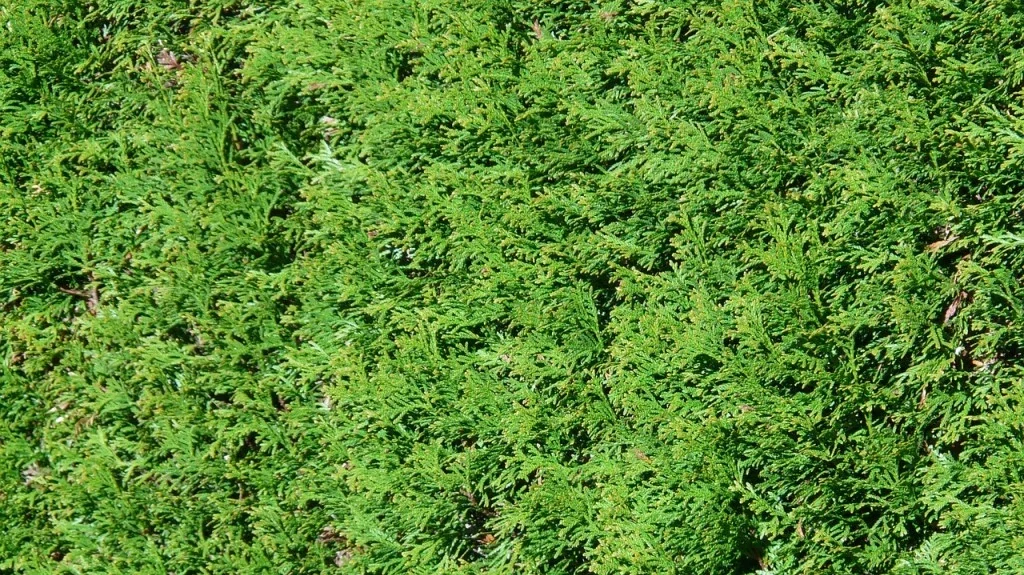
Creating a backyard that feels both private and inviting can be a challenge, especially in bustling neighbourhoods or homes with close neighbours. That’s where evergreen screening comes in: a natural, living solution that provides year-round privacy while adding beauty, texture, and structure to your outdoor space.
Unlike deciduous plants that lose their leaves in winter, evergreens maintain their lush greenery through all seasons, offering consistent coverage and a sense of seclusion. With careful planning and a bit of guidance, anyone can design a screen that balances aesthetics, function, and long-term growth.
Ready to create your own private oasis? Visit Gauld Nurseries to explore their wide selection of evergreens and get expert advice for your perfect backyard screen.
"We would highly recommend Gauld Nurseries. We've used them over the past several seasons and have been beyond satisfied each and every time. From Alex's and Paula's expertise and knowledge in planning to the many hard working crews. Everyone is professional, courteous and efficient. We absolutely love spending time outdoors enjoying the beauty of their work. They've truly transformed our yard which brings us so much joy.
There is no else we would rather call. Thank-you Gauld!"
- Lucia L
"Great place to shop! The staff is super helpful and knowledgeable. I was having trouble finding the right trees and shrubs for my yard and the staff were amazing at helping me make the right choices. If you want knowledgeable people to help with your garden needs shop at gaulds!"
- Jack Ashcroft
Key Takeaways: Evergreen Screening Tips
Year-Round Privacy: Evergreens maintain foliage throughout the year, providing consistent privacy and wind protection.
Space Planning Matters: Measure your backyard, consider sunlight, and plan spacing according to each species’ mature size.
Choose the Right Species: Select evergreens like Thuja ‘Green Giant’, Eastern White Pine, Boxwood, or Spruce varieties to suit your design and Niagara climate.
Proper Planting: Prepare soil, dig appropriately sized holes, water thoroughly, and apply mulch to help young plants thrive.
Maintenance Counts: Water consistently, prune lightly, fertilize in spring, and monitor for pests to ensure long-term growth.
Enhance Aesthetics: Layer plants, mix textures and colours, and integrate screens with garden features for visual interest.
Visualize Before Planting: Sketch your layout or use online planners to design a functional, beautiful screen.
Long-Term Benefits: A well-planned and maintained evergreen screen adds privacy, beauty, and value to your backyard for years.
Evergreen Screening Ideas: Create Privacy and Beauty in Your Backyard
1. Why Choose Evergreens for Screening
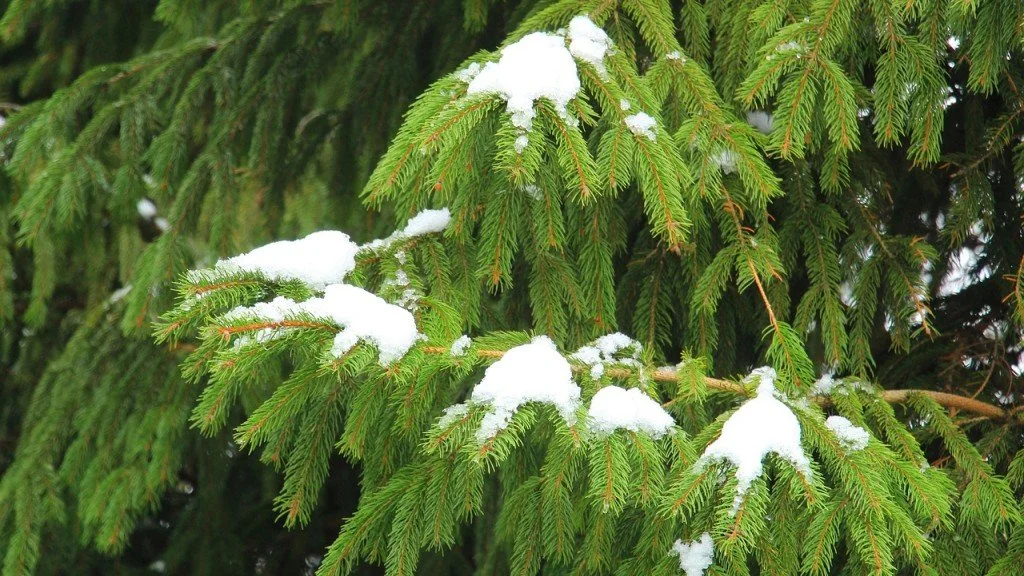
Evergreens are one of the most versatile and attractive solutions for creating natural privacy in your backyard. They offer benefits that go far beyond simply blocking views, combining practical advantages with year-round beauty. Before you start planning your screen, it helps to understand why evergreens are such a smart choice compared to other options.
Benefits of Evergreen Screening
Evergreens provide a variety of practical benefits that make them ideal for backyard screening:
Evergreen trees and shrubs maintain their foliage throughout the year, giving you consistent privacy in every season.
They reduce noise from nearby streets or neighbours, creating a more peaceful backyard environment.
Evergreens act as natural windbreaks, protecting your garden and outdoor spaces from strong gusts.
They help define property lines and outdoor rooms without the need for fences or walls.
Unlike man-made fences, evergreen screens last longer and do not require painting, staining, or regular repairs.
These natural benefits make evergreens a long-term, low-maintenance solution for homeowners looking for both function and beauty.
Evergreen vs Deciduous
Compared to deciduous alternatives, evergreen screening has distinct advantages that ensure privacy and aesthetics year-round:
Unlike trees and shrubs that lose their leaves in winter, evergreens provide uninterrupted coverage even in the coldest months.
Their consistent greenery helps maintain a sense of structure and enclosure in your yard, even when other plants are dormant.
Evergreen screens can be used to create year-round focal points or backdrops for flower beds, patios, and other garden features.
By choosing evergreens, you not only enhance your property’s privacy but also elevate its visual appeal. Thoughtfully designed screens can frame outdoor seating areas, soften hard edges, and create cozy, inviting spaces that encourage relaxation and entertaining.
Whether you are looking to block a neighbour’s view, add wind protection, or simply bring a lush, green element to your backyard, evergreens offer a combination of practical and aesthetic advantages that few other plants or materials can match.
2. Planning Your Evergreen Screen

*Image by Gauld Nurseries
Before you start planting, a thoughtful plan is key to creating an evergreen screen that looks beautiful, grows healthy, and provides the privacy you want. Planning involves assessing your space, defining your purpose, and deciding on the best layout to achieve both function and style.
Assess Your Space
Start by taking a close look at your backyard to understand what you have to work with:
Measure the length and width of the area where you want your screen to go, as well as the height you’d like to achieve for privacy.
Observe sunlight exposure throughout the day, since different evergreen species thrive in full sun, partial sun, or shade.
Consider soil type and drainage, as some species prefer sandy soils while others do better in heavier clay soils.
By understanding your space, you can select species that will grow well and achieve the coverage and density you want.
Define Your Purpose
Knowing what you want from your screen will guide your plant selection and design:
Decide whether you need full privacy or partial screening that lets light in while blocking sightlines.
Think about whether your screen is primarily functional, such as blocking wind or noise, or decorative, framing garden features or outdoor living areas.
Determine whether you want a formal, uniform hedge or a more natural, layered look that blends with existing landscaping.
Plan Your Layout
The arrangement of your evergreens is crucial to creating a screen that is both attractive and effective:
Plant in straight rows for a clean, formal look, or use staggered patterns to create a fuller, more natural appearance.
Layer tall trees behind medium-height shrubs to add depth and variation in texture.
Leave adequate spacing between plants to allow them to reach their mature size without overcrowding.
Consider combining species with different foliage textures, colours, and growth rates to make your screen more visually interesting.
Visualize Your Design
It helps to imagine the final result before planting:
Sketch your garden or use an online garden planner to map out the placement of each plant.
Take into account views from inside the house, patio areas, and pathways to ensure your screen enhances the overall layout of your yard.
Picture how the screen will look through the seasons, considering both evergreen structure and any flowering or ornamental accents.
By carefully planning your evergreen screen, you can create a backyard space that is functional, private, and visually appealing, setting the stage for a healthy, thriving landscape for years to come.
Need help planning your evergreen screen? Gauld Nurseries offers professional landscaping services and can design the perfect layout for your backyard. From selecting the right species to arranging them for maximum privacy and visual appeal, their experts take the guesswork out of creating a beautiful, functional screen.
3. Selecting Evergreen Species
| Species | Mature Height | Growth Rate | Screen Use | Special Features |
|---|---|---|---|---|
| Thuja 'Green Giant' | 30–40 ft | Fast | Tall, dense privacy screen | Year-round lush greenery, low maintenance |
| Eastern White Pine | 50–80 ft | Medium | Naturalistic, tall screen | Soft needles, adaptable to soil types |
| Boxwood | 3–6 ft | Slow | Low hedges, formal screens | Dense foliage, easy to shape |
| Blue Spruce | 30–60 ft | Medium | Accent or tall screen | Striking blue foliage, conical shape |
| Canadian Holly | 6–10 ft | Slow | Layered or low screen | Glossy leaves, red berries in winter |
Choosing the right evergreen species is one of the most important steps in creating a beautiful and effective privacy screen. The species you select will determine your screen’s height, density, texture, and seasonal interest.
At Gauld Nurseries, you’ll find a wide variety of trees and shrubs that thrive in Niagara’s climate, giving you plenty of options to suit your space and style.
Top Evergreen Options for Screening
Here are some popular species to consider, along with their key characteristics:
Thuja ‘Green Giant’ – This fast-growing evergreen is perfect for tall, dense screens. It can reach heights of 30–40 feet and maintains a lush, green appearance year-round. Its rapid growth makes it ideal for homeowners seeking privacy quickly.
Eastern White Pine – With soft, long needles and a more naturalistic look, Eastern White Pine adds texture and height to a screen. It grows well in a variety of soil types and provides a slightly more open, airy screen while still offering year-round coverage.
Boxwood – A versatile shrub that works well for lower hedges or formal screens. Boxwoods have dense foliage that can be shaped easily, making them ideal for creating a polished, manicured look.
Spruce Varieties (Blue Spruce, Alberta Spruce) – Spruces offer striking colour and texture. Blue Spruce brings a silvery-blue hue to the garden, while Alberta Spruce has a classic, conical form perfect for narrow spaces or accent planting.
Holly (e.g., Canadian Holly) – These evergreen shrubs are perfect for adding seasonal interest with glossy leaves and bright red berries. They work well in layered screens or mixed with taller trees for variety.
Tips for Choosing Species
When selecting species for your screen, keep these points in mind:
Consider the mature size of each plant to ensure proper spacing and avoid overcrowding.
Choose species based on sunlight and soil conditions in your backyard for healthy growth.
Mix species with different textures, colours, and growth rates to create a visually interesting and natural-looking screen.
Think about maintenance levels. Some evergreens grow faster and may require more pruning, while others are low-maintenance and slow-growing.
Selecting the right combination of evergreens will help you achieve a screen that is not only functional but also enhances the beauty and character of your backyard. With expert advice from Gauld Nurseries, you can pick species that thrive in Niagara’s climate and bring your garden vision to life.
4. Spacing and Planting Guidelines

*Image by Gauld Nurseries
Proper spacing and planting techniques are essential to ensure your evergreen screen grows healthy, dense, and attractive. Giving each plant enough room to thrive now will save you maintenance headaches in the future and help create a screen that provides privacy and beauty for years to come.
Spacing Your Evergreens
The distance between plants depends on their mature size and growth habit:
Tall, fast-growing species like Thuja ‘Green Giant’ should be planted 3–5 feet apart to form a dense screen quickly without overcrowding.
Medium-sized trees such as Eastern White Pine or Spruce varieties can be spaced 4–6 feet apart to allow for natural growth and airflow.
Smaller shrubs like Boxwood or Holly should be planted 2–3 feet apart, making them ideal for lower screens or layered designs.
For a natural look, consider staggering plants in a zigzag pattern rather than a straight row. This helps fill gaps and creates a fuller, more visually interesting screen.
Example Evergreen Layouts
Blue circles represent tall evergreens; green circles represent medium shrubs.
Straight Row Layout
Staggered (Zigzag) Layout
Legend / Key
- Tall Evergreen (e.g., Thuja ‘Green Giant’): Provides primary privacy, full height coverage.
- Medium Shrub (e.g., Boxwood, Holly): Fills gaps, adds texture, and creates layered effect.
Tip: Staggering tall and medium plants improves coverage, airflow, and visual interest compared to straight rows.
Planting Tips
Follow these steps to give your evergreens the best start:
Prepare the soil by loosening it and mixing in compost or organic matter to improve drainage and fertility.
Dig a hole slightly wider than the root ball and just as deep, ensuring roots have space to expand.
Backfill with soil and gently firm around the base of the plant to eliminate air pockets.
Water thoroughly immediately after planting and keep the soil consistently moist during the first growing season.
Apply mulch around the base to retain moisture, regulate soil temperature, and reduce weeds, keeping it a few inches away from the trunk to prevent rot.
Timing and Seasonal Considerations
In Niagara, the best time to plant evergreens is early spring or fall, when temperatures are cooler, and rainfall helps establish roots.
Avoid planting during the heat of summer or the freezing conditions of winter, as extreme weather can stress young plants.
By following these spacing and planting guidelines, your evergreen screen will have the space and conditions it needs to grow dense, healthy, and visually appealing, providing lasting privacy and enhancing your backyard’s overall design.
5. Maintenance and Long-Term Care
Once your evergreen screen is planted, regular care will ensure it grows healthy, dense, and visually appealing for years to come. The following infographic outlines the essential tasks you will need to do. Keep reading to learn more about each task.
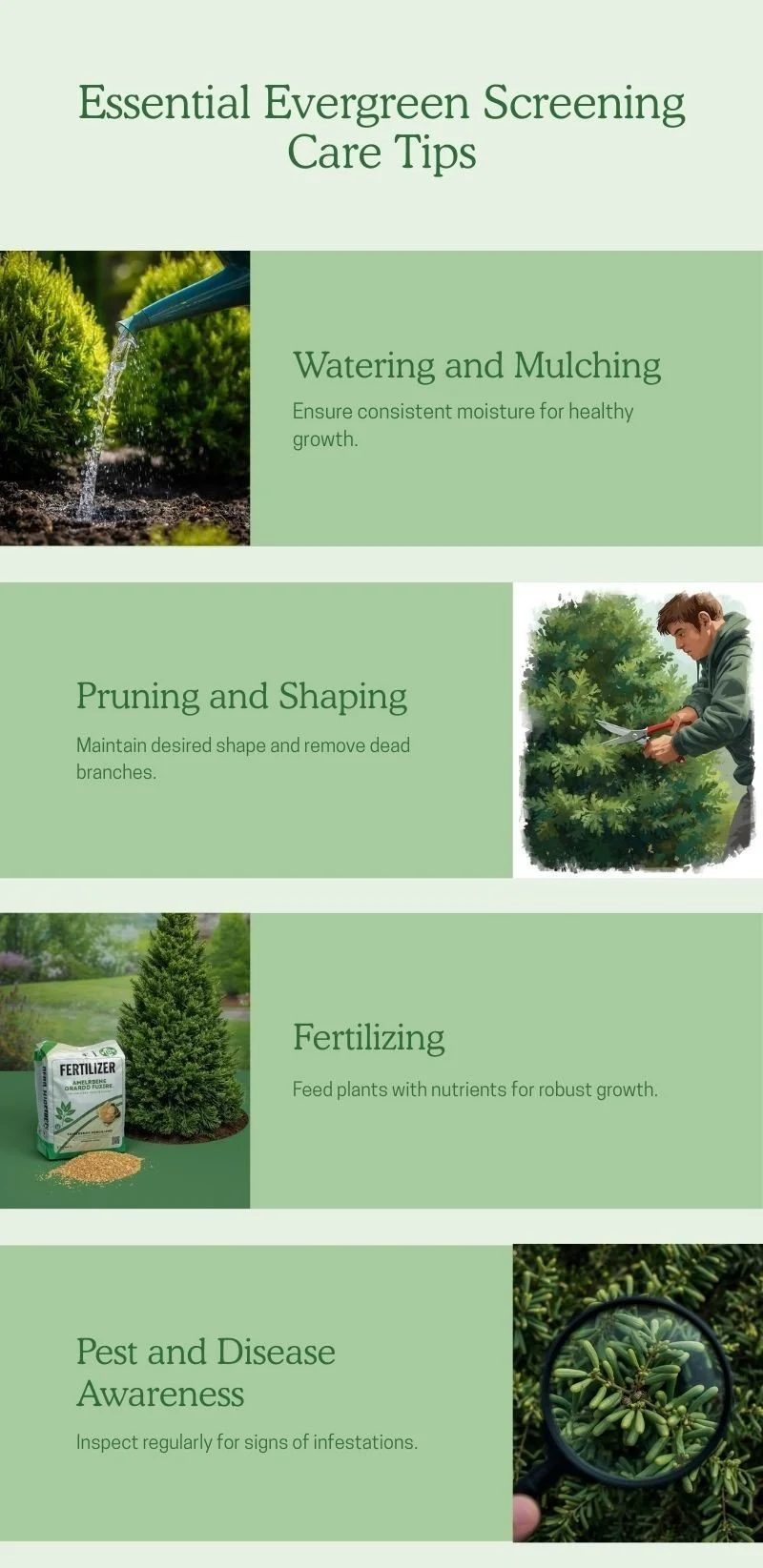
With a few simple maintenance habits, you can enjoy a private, lush backyard without a lot of extra work.
Watering and Mulching
Newly planted evergreens need consistent watering, especially during the first 2–3 growing seasons, to help roots establish.
Water deeply at the base of the plant rather than frequently sprinkling the surface. This encourages deeper root growth.
Apply a layer of mulch around the base to retain soil moisture, regulate temperature, and reduce weeds. Keep mulch a few inches away from the trunk to prevent rot.
Pruning and Shaping
Light pruning helps maintain the shape and density of your screen. Trim branches carefully to avoid cutting into old wood, which may not regrow.
For formal screens, prune once or twice a year, usually in late spring or early summer.
For naturalistic screens, selective pruning can be done to remove dead or crossing branches while preserving the plant’s natural form.
Fertilizing
Fertilize evergreens in early spring with a balanced, slow-release fertilizer designed for trees and shrubs.
Avoid heavy late-season fertilizing, which can encourage new growth that may not harden before winter.
Pest and Disease Awareness
Regularly inspect your screen for signs of pests such as aphids, spider mites, or scale insects. Early detection makes control easier.
Watch for disease symptoms, including discoloured needles or unusual dieback. Remove affected branches promptly to prevent spread.
Maintaining proper spacing and airflow between plants helps prevent fungal infections and encourages strong, healthy growth.
Long-Term Benefits
With consistent care, evergreen screens can provide decades of privacy, noise reduction, and wind protection.
Well-maintained screens add structure, beauty, and value to your backyard, creating inviting spaces for relaxation, entertaining, and family activities.
Many evergreen species grow slowly once established, meaning your screen will require less intensive maintenance as it matures.
By following these simple maintenance steps, your evergreen screen will not only thrive but also enhance your backyard’s functionality and aesthetics for years to come.
6. Enhancing Function and Aesthetics

*Image by Gauld Nurseries
Evergreen screens do more than provide privacy; they can transform your backyard into a visually appealing, functional space. By thoughtfully integrating your screen into your garden design, you can create areas that feel cozy, structured, and harmonious with the rest of your landscape.
Tips to Maximize Function
Use evergreen screens to define outdoor rooms, such as patios, seating areas, or play spaces, creating a sense of enclosure and intimacy.
Position screens to block unsightly views like neighbouring fences, utility areas, or roads, while framing desirable garden features.
Combine taller trees with medium and low shrubs to create layers of coverage, which improves both privacy and wind protection.
Ideas for Visual Appeal
Incorporate flowering perennials, ornamental grasses, or seasonal bulbs in front of the screen to add colour, texture, and seasonal interest.
Mix species with different foliage colours and textures for a natural, dynamic look. For example, pair the soft needles of Eastern White Pine with the dense, dark green of Thuja ‘Green Giant’.
Add garden accents like pathway lighting, benches, or decorative planters to highlight the screen and create inviting spots for relaxation.
Consider curved or staggered layouts rather than straight lines to soften hard edges and give your garden a more organic feel.
Creating Cozy, Functional Spaces
Screens can create shaded nooks for reading, meditating, or enjoying a morning coffee, turning your backyard into an extension of your home.
By thoughtfully combining evergreen screens with other garden elements, you can create multi-purpose areas that feel private yet open, such as outdoor dining spaces or fire pits.
Evergreen screens also act as natural backdrops for features like water fountains, sculptures, or pergolas, enhancing the overall design impact.
By integrating your evergreen screens into your garden thoughtfully, you can achieve a backyard that is both functional and beautiful, offering privacy, structure, and visual interest throughout the year.
7. Visualization and Inspiration
Imagining your backyard with a thoughtfully designed evergreen screen is the first step toward creating a private, beautiful, and functional outdoor space. Visualization not only helps you plan the layout and species selection but also inspires creative ideas for combining privacy with aesthetics.
Inspiration for Design
Mix tall and medium species to create depth and a natural flow, rather than a flat wall of greenery.
Layer flowering perennials or ornamental grasses in front of your screen to add contrast and seasonal interest.
Plan garden paths, seating areas, or focal points around your screen to turn it into more than just a barrier; it becomes part of your backyard experience.
Consider curved or staggered layouts for a soft, organic look that blends seamlessly with your existing landscape.
Evergreen Screening in Action
Before you start planting, it helps to see how evergreen screening can shape the look and feel of a backyard.
The sample layout graphics below show some possible design ideas, from simple linear screens to layered, naturalistic plantings, so you can picture how evergreens create privacy, define outdoor rooms, and add year-round beauty.
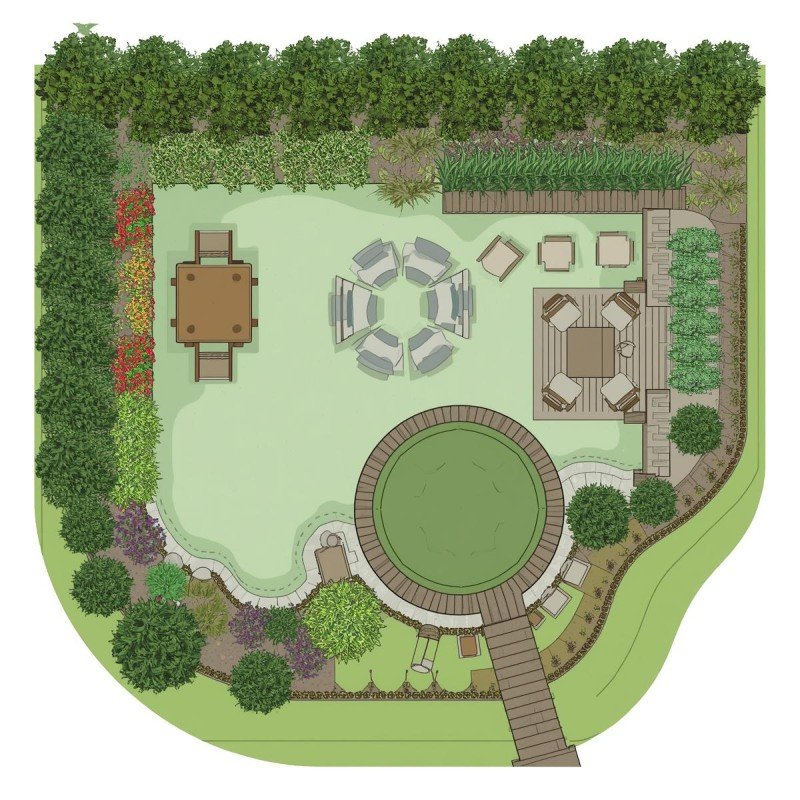
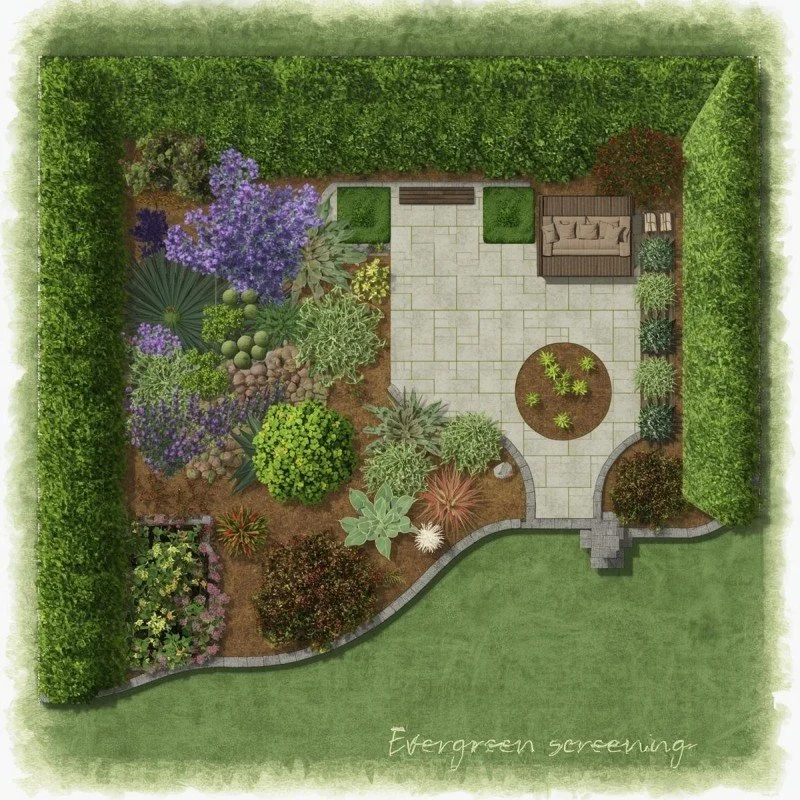
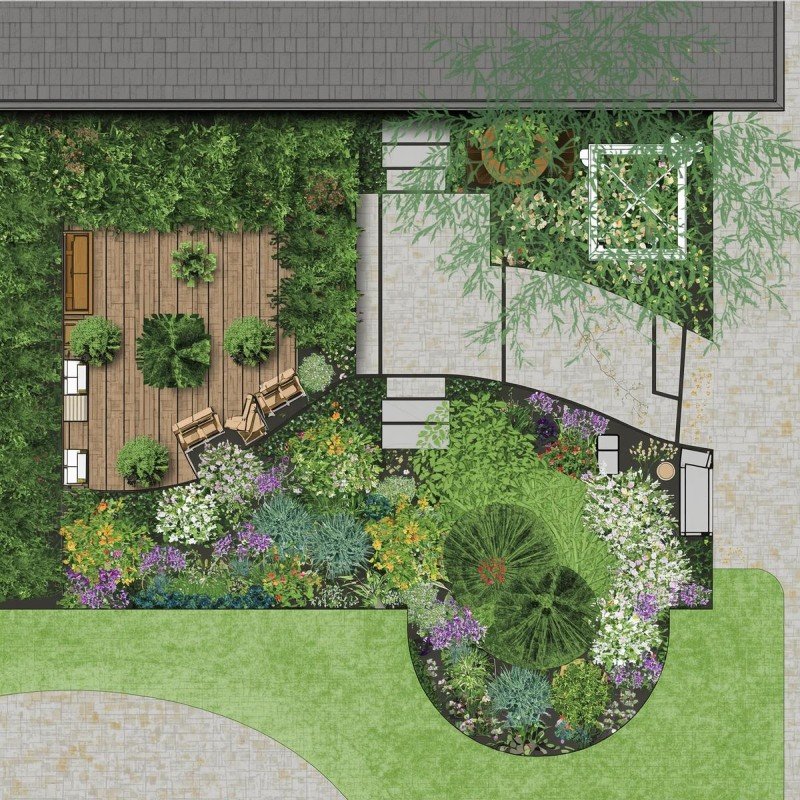
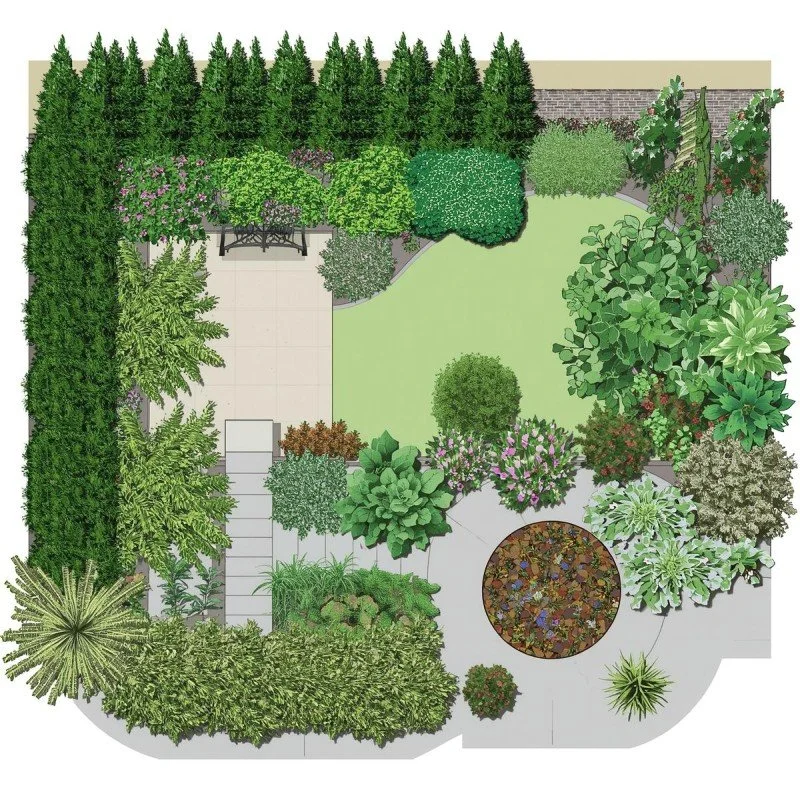
Use these visuals as inspiration to imagine how a similar layout could transform your own Niagara garden.
Tips for Visualizing Your Screen
Sketch your garden layout on paper or use online garden planning tools to map where each plant will go, including height, spacing, and layering.
Consider sightlines from windows, patios, and outdoor seating areas to ensure your screen provides the privacy you need while highlighting key views.
Think seasonally, picturing how the screen will look in winter, spring, summer, and fall to maintain year-round appeal.
Use reference gardens or display areas at local nurseries like Gauld Nurseries to see mature evergreens in action and gather ideas for colours, textures, and combinations.
By taking the time to visualize your evergreen screen, you can confidently design a backyard that balances privacy, functionality, and aesthetic appeal. This planning step ensures that when your evergreens mature, your space will feel complete, inviting, and harmonious with the rest of your garden.
Transform Your Backyard with Evergreen Screening from Gauld

*Image by Gauld Nurseries
Evergreen screens offer a unique combination of privacy, beauty, and long-term functionality. By carefully selecting the right species, planning your layout, and providing proper care, you can create a backyard that is both serene and visually striking throughout the year.
From soft, flowing pines to dense, structured hedges, evergreens provide year-round coverage, reduce noise, block wind, and add definition to your property, benefits that fences and other man-made solutions simply can’t match.
Thoughtful placement and layering of evergreens also enhance the aesthetics of your outdoor spaces, creating cozy seating areas, framing garden features, and adding texture and colour to your landscape. With a little planning, your screen can become a living element that grows more beautiful and effective over time.
Ready to bring your evergreen vision to life? Visit Gauld Nurseries to explore their wide selection of evergreens and get expert advice for designing a screen that perfectly fits your Niagara backyard.
What Gauld Customers Are Saying…
“Great place to shop! The staff is super helpful and knowledgeable. I was having trouble finding the right trees and shrubs for my yard and the staff were amazing at helping me make the right choices. If you want knowledgeable people to help with your garden needs shop at Gaulds!”
— Jack Ashcroft
Get Growing with How to Gardenz
Connect with our gardening experts at HowToGardenz! We provide tips, tools, and reviews to help you develop your green thumb while embracing sustainable and low-maintenance gardening practices. Learn how to grow a thriving garden that’s both eco-friendly and easy to care for!
Have gardening expertise to share? Or a thriving greenhouse to showcase? Join HowToGardenz! List your products or services and connect with other plant enthusiasts who are passionate about creating sustainable, beautiful gardens. Let's spread the joy of growing together, with less effort and more impact!