
Compost Like a Pro: The Ultimate Guide to Garden Composting in Canada
For Canadian gardeners, composting is a practical way to recycle organic waste, enrich soil, and reduce landfill use. The process is simple—combine food scraps and yard waste, allow them to break down naturally, and end up with nutrient-rich compost that strengthens plants. But composting in Canada also comes with seasonal challenges, from frozen bins in winter to leaf overload in fall.
This guide explains what to compost, how to maintain your bin, and how to keep it healthy year-round.
If you are looking for helpful garden compsiting advice, including or beyond how to remove caterpillars, contact us. We can also help you promote your gardening products or garden centre on our website.
Key Takeaways
Composting works best with a 2:1 ratio of browns to greens—too much of one will cause problems.
Keep your pile moist and aerated; think “damp sponge” and give it regular turns.
Canadian seasons matter: fall is for leaf collection, winter is for patience, and spring/summer are for active composting.
Most composting problems (smells, pests, slow breakdown) can be solved by adjusting balance and turning the pile.
Finished compost is dark, crumbly, and earthy-smelling—perfect for enriching beds, lawns, and container plants.
1. What to Compost (and What to Avoid)
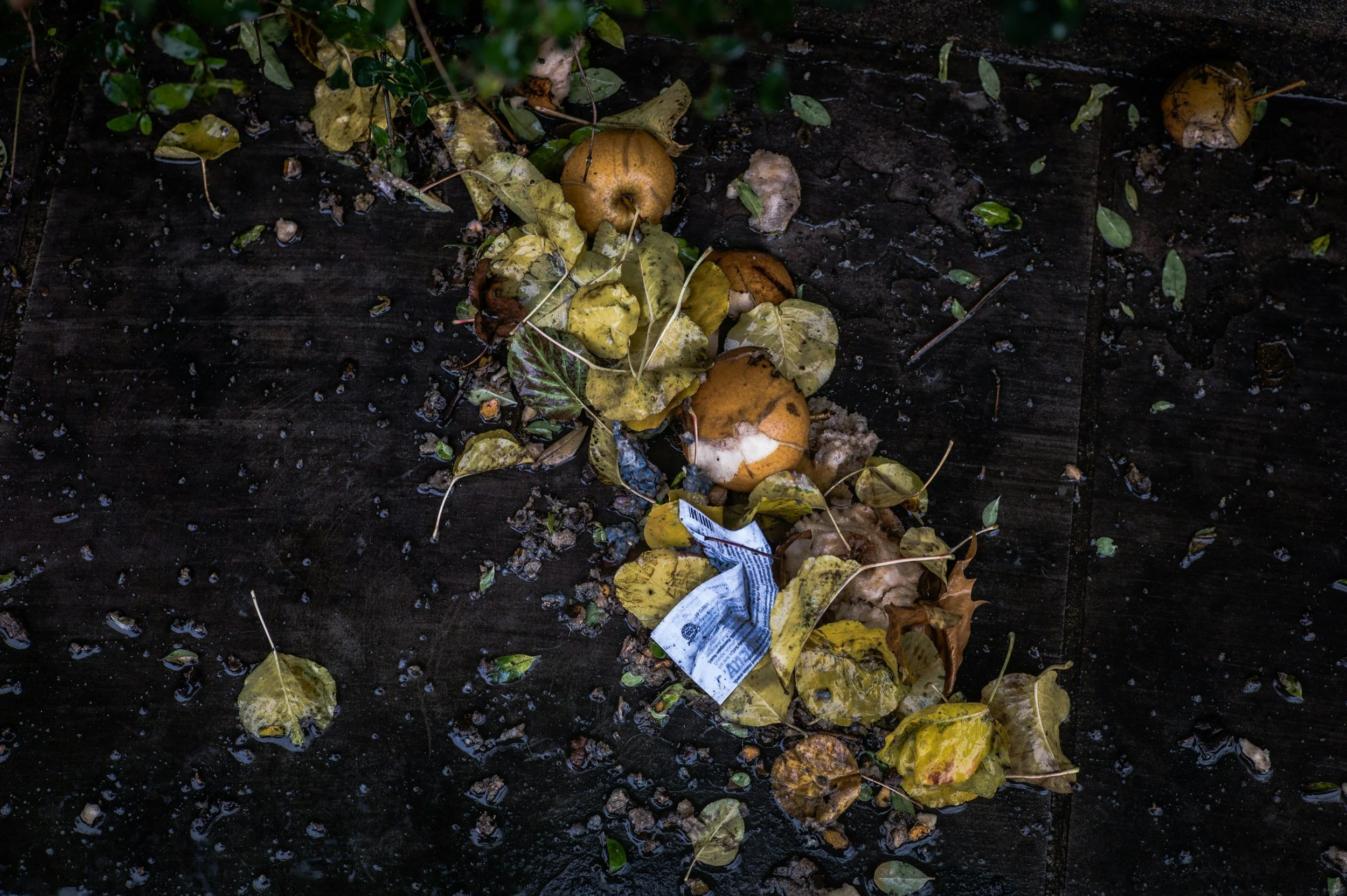
What To Compost
Successful composting depends on finding the right balance between “greens” (materials high in nitrogen) and “browns” (materials high in carbon).
Greens include things like fruit and vegetable scraps, coffee grounds, tea bags, and freshly cut grass. These provide the quick-acting fuel that microorganisms need to break materials down.
Browns, on the other hand, include dried leaves, shredded cardboard, sawdust, and straw. They provide structure, soak up excess moisture, and keep the pile aerated.
The ideal mix is roughly two parts browns to one part greens.
Too many greens will make the pile smell, while too many browns will slow everything down.
What To Avoid
Just as important is knowing what not to compost.
Meat, bones, oily foods, and dairy attract rodents and insects.
Pet waste introduces harmful bacteria.
Diseased plants and chemically treated wood can contaminate your finished compost.
By being selective, you’ll create a pile that breaks down quickly and safely.
2. Setting Up and Maintaining Your Bin
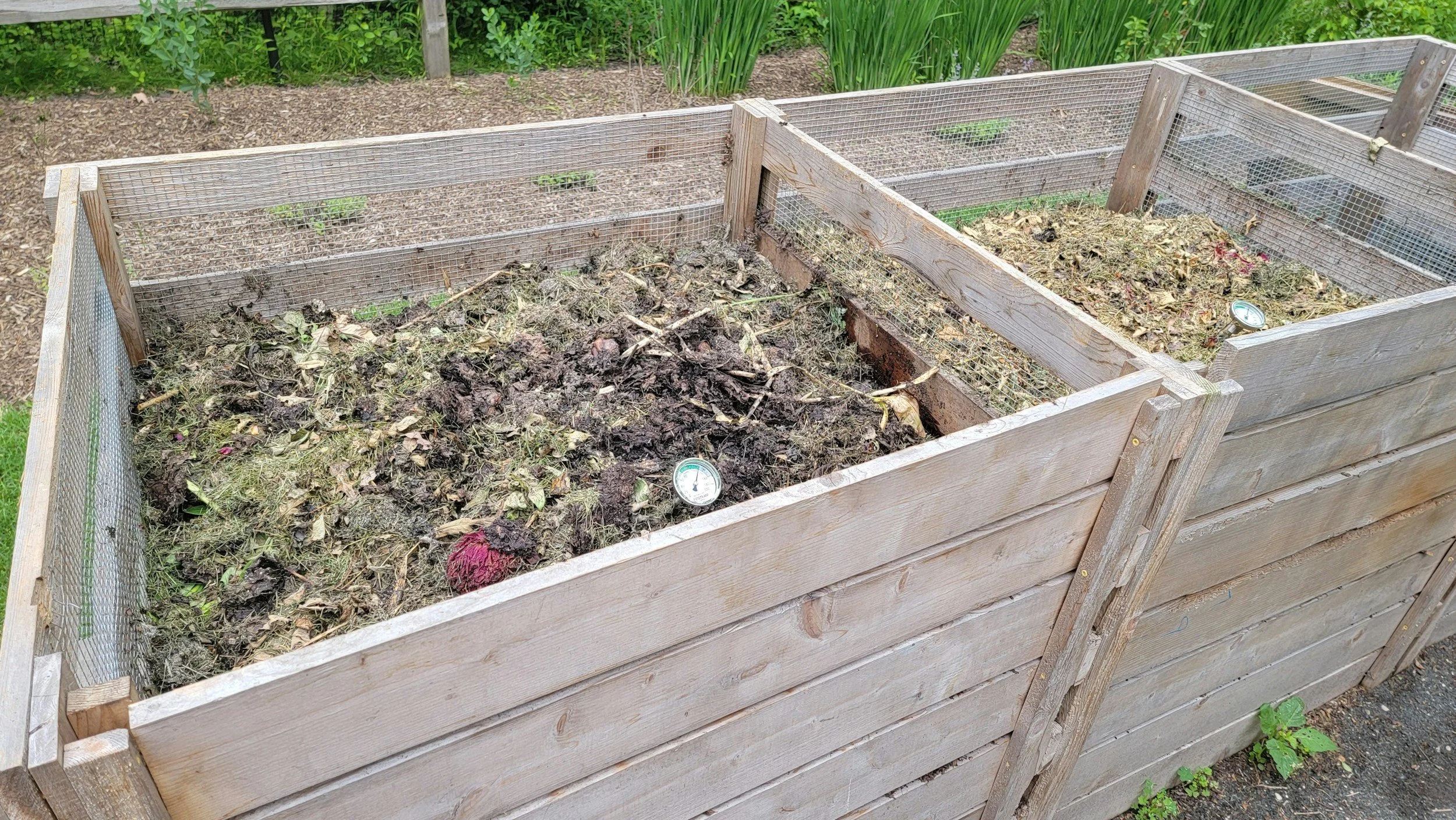
There are several composting systems that work well in Canada.
A basic backyard bin or wooden frame is a low-cost option that can hold a lot of material.
Tumblers are tidier and break things down faster, though they’re smaller and better suited for households with limited waste.
If you have space, you can simply start a compost pile directly on the ground, which allows worms and soil microbes to join the process naturally.
No matter the setup, location is important. Choose a sunny or partly shaded spot with good drainage so the pile doesn’t become waterlogged. Accessibility also matters—if your bin is buried in a snowdrift all winter, you won’t use it consistently.
Composting works best when the pile stays moist, like a wrung-out sponge, and when it’s aerated regularly by turning or mixing. This introduces oxygen and speeds up decomposition, while also preventing the foul smells that occur in stagnant piles.
If conditions are right, the pile will heat up and decompose quickly, though even a slow-moving pile will eventually deliver usable compost.
3. Composting Through the Seasons

Composting in Canada is unique because the climate changes dramatically throughout the year.
In spring and summer, the warm weather and abundance of garden waste make it the easiest time to compost. Grass clippings, pulled weeds, and vegetable scraps break down rapidly when combined with stored leaves from fall.
In autumn, dry leaves become your most valuable resource. Shredding them before adding to the pile helps them decompose faster and prevents matting. Many gardeners bag and store extra leaves to use during winter and spring when browns are harder to come by.
Winter brings challenges, as freezing temperatures slow decomposition almost to a standstill. But composting doesn’t need to stop—you can keep adding kitchen scraps, layering them with browns, and letting them freeze in place.
Once temperatures rise in spring, the pile “wakes up” and resumes active breakdown. To help retain heat through winter, build a larger pile in the fall and keep it covered with a tarp or straw to insulate against snow.
4. Troubleshooting Common Problems
Even the most attentive composters run into issues from time to time.
The most common problem is unpleasant odours, usually caused by too many greens or a lack of air circulation. Adding shredded paper, dry leaves, or cardboard and giving the pile a good turn will restore balance.
If the pile isn’t breaking down at all, it may be too dry or too small—add water until it feels damp and mix in fresh green material to restart the process.
A pile that becomes soggy and slimy has the opposite issue—too much moisture and not enough carbon. Adding browns like straw or shredded cardboard will absorb the excess.
Pests are another concern in some areas, especially if meat or dairy scraps find their way into the pile. Keeping a secure lid on your bin and always burying food waste under a layer of browns will minimize this risk.
5. Using Your Finished Compost
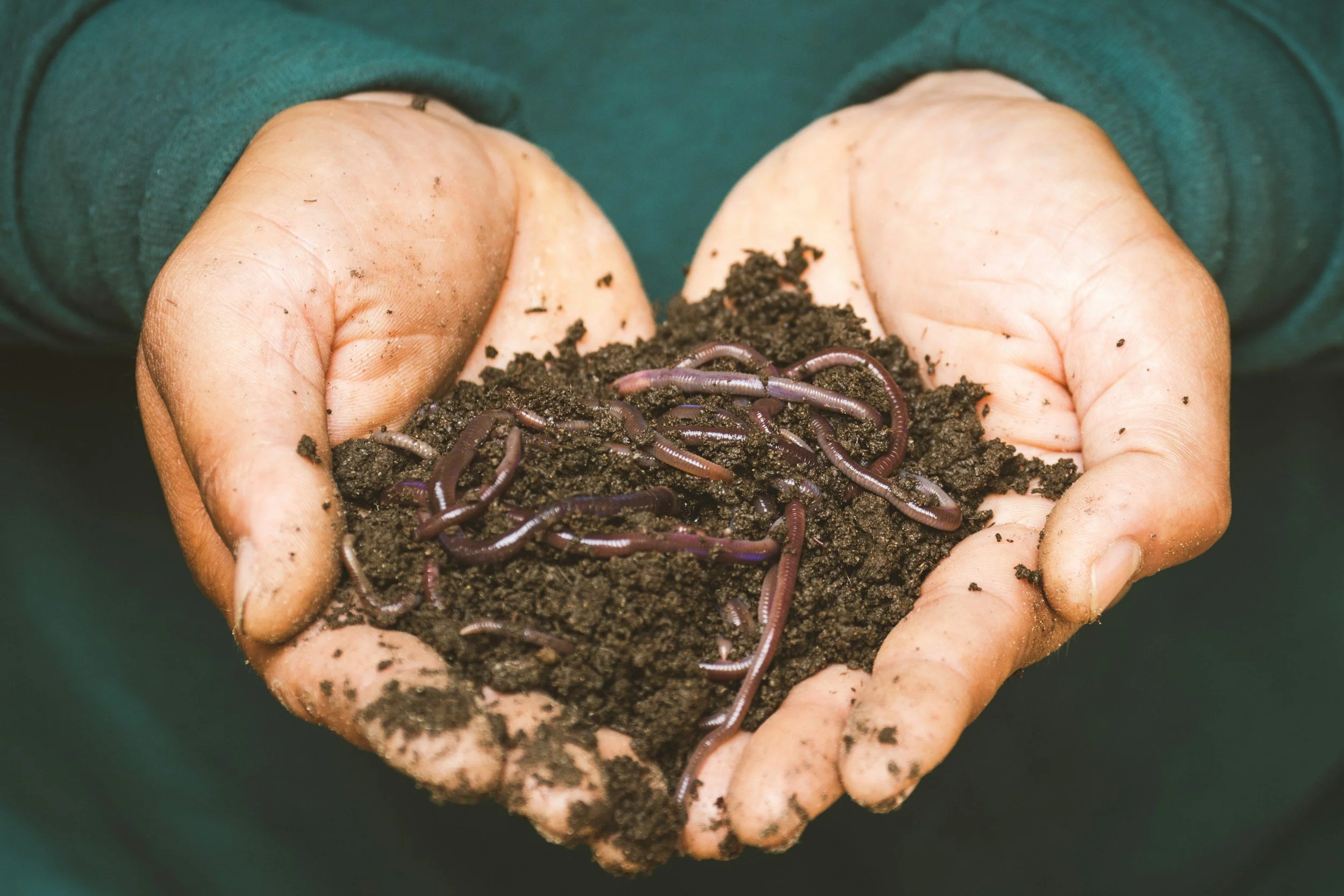
Finished compost is the payoff for your efforts. You’ll know it’s ready when it looks dark and crumbly, smells earthy, and no longer contains visible food or yard scraps.
Depending on your system and the time of year, this can take anywhere from three months to a year.
Once complete, compost can be used in almost every part of the garden.
Mixing it into flower and vegetable beds enriches the soil and improves its structure, helping plants take up nutrients more effectively.
Spreading a thin layer across your lawn acts as a natural fertilizer and reduces the need for chemical treatments.
You can even add it to container mixes for potted plants, though it’s best to blend it with potting soil rather than using compost alone.
However you use it, compost improves soil health, boosts plant resilience, and helps lock carbon into the ground rather than releasing it into the atmosphere.
Final Thoughts
Composting may seem intimidating at first, but once you understand the balance of ingredients and how to adapt to Canada’s seasons, it becomes second nature. It’s one of the most impactful habits you can adopt as a gardener—transforming everyday waste into a resource that enriches your soil, strengthens your plants, and reduces your environmental footprint.
Whether you’re just starting out with a small bin or managing a large backyard pile, consistency is key.
Keep layering greens and browns, adjust when issues arise, and don’t be discouraged if the process feels slow.
With a little patience, your compost pile will reward you with rich, earthy material that feeds your garden year after year.
In the end, composting is more than just a gardening practice—it’s a way of giving back to the land that sustains us. By composting like a pro, you’re not only creating healthier soil but also contributing to a more sustainable future.

Need Help With Garden Composting?
Turning kitchen scraps and yard waste into compost is one of the most rewarding steps you can take as a Canadian gardener. But it’s not always smooth sailing—imbalanced piles can smell bad, pests may find their way in, and cold winters can slow everything to a crawl.
The good news is that these challenges are easy to overcome. With the right balance of greens and browns, steady aeration, and a few seasonal adjustments, your compost bin will thrive year-round. By staying consistent and making small tweaks when problems arise, you’ll soon be producing dark, nutrient-rich compost that feeds your plants and keeps your soil healthy.
Composting isn’t just about waste reduction—it’s about creating a sustainable cycle that benefits your garden, your home, and the environment.
Ready to get started?
Explore beginner-friendly compost bins, aerator tools, and other composting essentials, connect with local gardening groups for inspiration, and take the first step toward healthier soil and more productive gardens today.