
How to Improve Niagara Soil: Tips for Clay, Sand, and Everything in Between
Niagara’s gardens are as diverse as its landscape, from heavy clay and sandy pockets to well-worked soils that fall somewhere in between. No matter what you’re starting with, improving your soil is the key to healthier plants, stronger roots, and better blooms and harvests.
In this guide, you’ll learn practical, local tips to improve Niagara soil using proven methods like compost, targeted amendments, and smart planting techniques that work in our unique growing conditions.
How to Improve Niagara Soil with Compost (The Universal Fix)
Ongoing Soil Care: Keep Improving Niagara Soil Year After Year
If you’d like personalized help choosing the right soil solutions for your yard, the knowledgeable team at Gauld Nurseries is always ready to offer expert advice tailored to Niagara gardeners.
Key Takeaways
Improving Niagara soil is a gradual process that rewards consistent care and attention.
Healthier soil leads to stronger roots, more vibrant blooms, and higher vegetable yields.
Compost, mulch, and targeted amendments are essential tools for improving all soil types.
Understanding your soil type—clay, sandy, or loam—helps guide the right amendments and planting strategies.
Seasonal care, including top-dressing, mulching, and fall preparations, supports long-term soil health.
Avoid common mistakes such as over-tilling, planting without prep, or adding sand to clay.
Gauld Nurseries offers expert guidance, high-quality soil products, and hands-on advice tailored to Niagara gardens.
Starting small and applying improvements gradually ensures sustainable, lasting results.
How to Improve Niagara Soil
1. Why Improving Niagara Soil Matters
Niagara’s growing conditions are unique, shaped by its escarpment, former lakebeds, and varied microclimates. As a result, gardeners across the region encounter a wide range of soil types, often within just a few neighbourhoods of each other. Understanding these differences and responding to them properly is essential for long-term plant success.
Niagara’s Diverse Soils and Their Impact on Plant Health
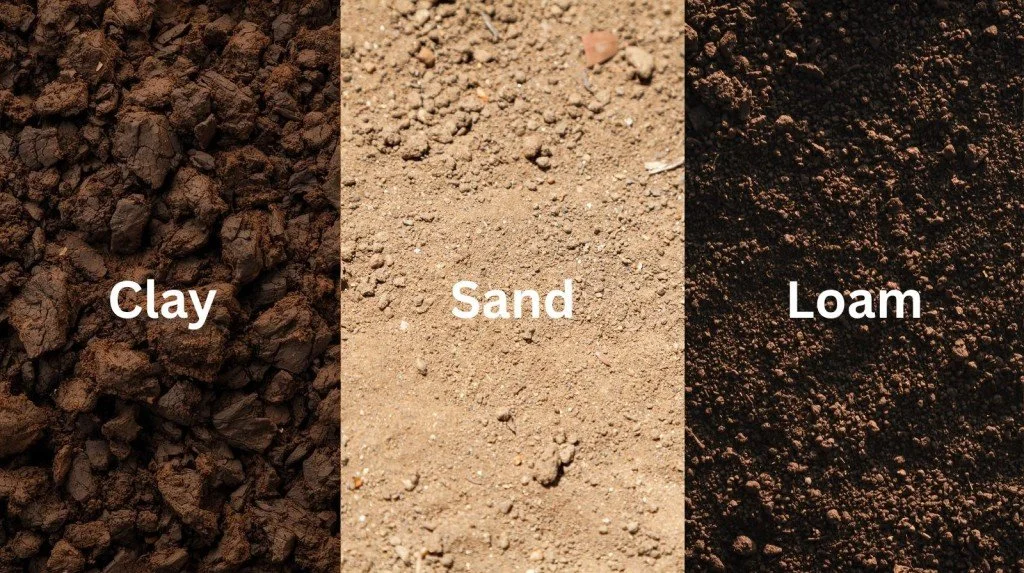
From dense clay to fast-draining sand, Niagara soils directly influence how well plants establish, grow, and produce flowers or food. These variations affect everything from moisture retention to nutrient availability, which means soil issues often show up as struggling plants rather than obvious soil problems. The most common challenges include the following:
Heavy clay soils tend to hold excess water, restrict oxygen flow to roots, and become compacted over time.
Sandy soils drain too quickly, allowing nutrients and moisture to wash away before plants can absorb them.
Mixed or previously amended soils (loam) can vary widely in structure and fertility, depending on past care and usage.
Recognizing your soil type is the first step toward creating conditions where plants can thrive instead of merely survive.
Why Soil Improvement Is the Foundation of a Healthy Garden
Improving soil isn’t a one-time task; it is an ongoing process that supports every aspect of plant growth. When you focus on soil health first, you create a stable environment that allows roots to grow deeper, access nutrients more efficiently, and withstand Niagara’s seasonal weather swings. Improving your soil delivers clear, long-term benefits:
Healthier soil promotes stronger root systems that improve drought tolerance and overall plant stability.
Improved structure and organic matter help regulate moisture during wet springs and hot, dry summers.
Nutrient-rich soil leads to better flowering, increased vegetable yields, and more resilient shrubs and perennials.
That is why learning how to improve Niagara soil is one of the most valuable investments you can make in your garden, regardless of what you are planting.
What You’ll Learn in This Guide
This article is designed to give you practical, local advice that you can apply right away, whether you are refreshing an existing bed or starting from scratch. Throughout the post, you can expect:
Clear guidance tailored to Niagara’s common soil types and growing conditions.
Actionable tips for soil prep, planting, and long-term care.
Recommendations for composts, amendments, and soil products that are proven to work locally.
For gardeners who want expert, hands-on support, Gauld Nurseries is a trusted Niagara resource for soil solutions, offering quality products and knowledgeable staff who understand the region’s soils. With the right information and the right materials, improving your soil becomes a manageable and rewarding part of growing a healthier, more successful garden.
2. Understanding Niagara’s Soil Types
Before you can make meaningful improvements, it’s important to understand the type of soil you’re working with. Niagara’s landscape has been shaped by ancient lakes, the escarpment, and years of agricultural use, resulting in a wide range of soil conditions that directly affect how plants grow and perform.
Many Niagara gardens fall into one of three broad soil categories, each with its own strengths and challenges. Knowing which type you have allows you to choose the right amendments and planting strategies. The most common soil types across the region include the following:
Heavy clay soils are commonly found in low-lying areas and former lakebeds, where fine particles pack tightly and limit drainage and airflow.
Sandy soils are often present near the escarpment and lakeshore areas, where larger particles allow water to pass through quickly.
Loam and mixed soils are typically found in older gardens and landscapes that have been amended over time, resulting in a balance of clay, sand, and organic matter.
Each of these soil types can support healthy plants when managed properly, but they require different approaches to improvement and care.
Why Soil Type Impacts Plant Health
Soil type plays a critical role in determining how water, air, and nutrients move through the root zone. When soil conditions are mismatched with plant needs, growth problems often follow, even when plants are watered and fertilized regularly. The main ways soil type influences plant health include the following:
Drainage affects how long water stays around plant roots, which can either support growth or cause root stress and disease.
Compaction limits root expansion and reduces the amount of oxygen available in the soil.
Nutrient availability determines how easily plants can access the minerals they need for steady, balanced growth.
Niagara’s seasonal weather patterns can intensify these issues, making soil improvement even more important. Wet spring conditions often worsen drainage problems in clay soils, while hot, dry summer weather quickly exposes the moisture and nutrient limitations of sandy soils.
By understanding how your soil type responds to local weather, you can take proactive steps to improve performance and set your garden up for long-term success.
3. How to Improve Niagara Soil with Compost (The Universal Fix)
No matter what type of soil you have, compost is one of the most effective tools for improving garden performance in Niagara. It works with nature rather than against it, gradually transforming soil structure while supporting healthier, more resilient plants. When you want a reliable way to improve your soil, compost is almost always the best place to start.
Why Compost Works for All Soil Types
Compost improves soil by enhancing its physical structure and biological activity, making it suitable for a wide range of plants and conditions. Its benefits are especially valuable in Niagara, where soil extremes are common. Compost helps in the following key ways:
Compost improves drainage in clay soils by loosening tightly packed particles and increasing airflow around plant roots.
Compost increases water retention in sandy soils, allowing moisture to stay available to plants longer during dry periods.
Compost feeds beneficial soil microbes and improves overall soil structure, which supports nutrient cycling and root development.
Because compost addresses both drainage and moisture retention, it provides a balanced foundation for healthier gardens across Niagara.
Compost Options Available at Gauld Nurseries
Choosing the right type of compost makes a noticeable difference in plant performance, especially during planting and soil preparation. Gauld Nurseries offers several high-quality compost and soil blend options designed for different garden needs. Common options include the following:
Premium garden compost is ideal for improving existing garden beds, top-dressing perennials, and boosting soil health over time.
Triple mix for planting beds combines compost, topsoil, and other organic materials, making it well-suited for new garden beds, raised beds, and transplanting shrubs or perennials.
Manure-based and organic soil blends provide an added nutrient boost and are especially useful for vegetable gardens and heavy feeders.
Each option serves a specific purpose, and the knowledgeable staff at Gauld Nurseries can help you select the best product based on your soil type and planting goals.
How to Apply Compost Correctly
Applying compost properly ensures that plants receive the full benefit without disturbing soil structure or root systems. The approach will vary depending on whether you are starting fresh or improving an existing garden. Key application guidelines include the following:
New beds benefit from compost being mixed into the top 6 to 8 inches of soil before planting to create a uniform, nutrient-rich growing layer.
Established gardens respond best to compost applied as a surface layer, where it can gradually work its way into the soil through watering and natural soil activity.
Compost is best applied in early spring to support new growth or in fall to improve soil structure and prepare beds for the following season.
With consistent use and proper application, compost becomes the backbone of long-term soil improvement, helping Niagara gardeners grow stronger flowers, shrubs, and vegetables year after year.
4. Improving Clay Soil in Niagara
Clay soil is common in many parts of Niagara, particularly in low-lying areas and former lakebeds. While rich in nutrients, clay can present challenges for gardeners due to its dense structure and slow drainage. Understanding these challenges and knowing how to address them is key to creating a healthy, productive garden.
Common Clay Soil Challenges
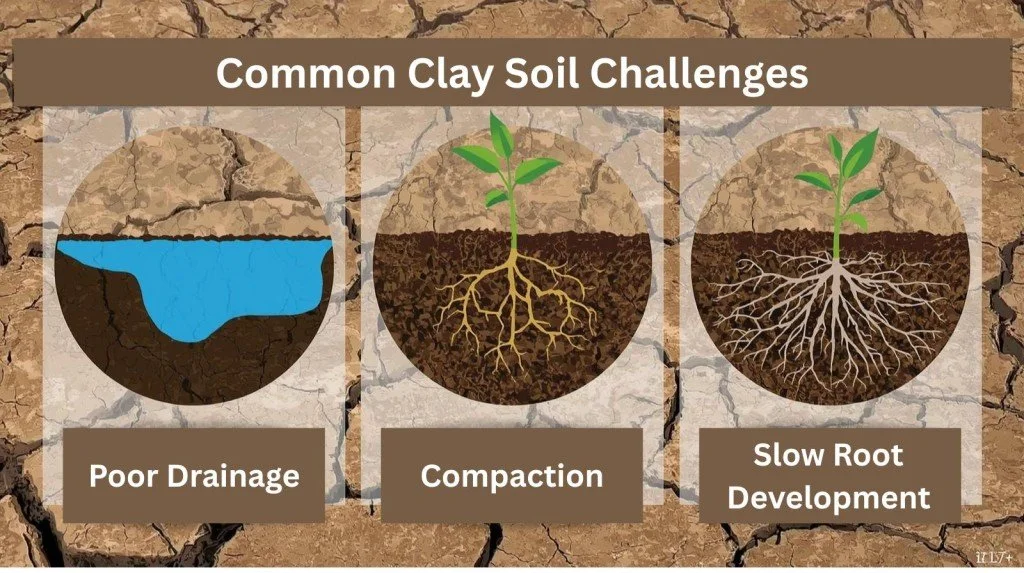
Clay soil offers certain benefits, like holding nutrients well, but it also comes with specific problems that can limit plant growth if left unmanaged. The most common challenges include:
Poor drainage causes water to pool around roots, increasing the risk of root rot and other moisture-related problems.
Compaction makes it difficult for roots to penetrate deeply, limiting plant stability and nutrient uptake.
Slow root development occurs because dense clay restricts air and water movement, slowing overall plant growth.
Recognizing these issues is the first step toward making clay soil more workable and productive in your garden.
Best Amendments for Clay Soil
Amending clay soil improves its structure, drainage, and overall fertility, making it easier for plants to thrive. Several effective amendments are particularly useful for Niagara gardeners:
Compost and organic matter help break up heavy clay, increase aeration, and support beneficial soil microbes.
Gypsum can be used in certain clay soils to reduce compaction and improve texture without altering pH.
Mulch prevents surface crusting, retains moisture, and protects soil from temperature extremes.
Using these amendments correctly can transform dense clay into a more hospitable environment for a wide variety of plants.
Actionable Steps for Working with Clay Soil
Once you’ve chosen the right amendments, it’s important to implement practical techniques that protect soil structure while encouraging plant growth. Key steps include:
Loosen clay gently by incorporating compost without excessive tilling, which can destroy natural soil structure.
Consider raised bed or mound planting options to improve drainage and root development.
Select plants that tolerate clay soils, such as hostas, daylilies, and certain shrubs that can thrive in heavier soil conditions.
With consistent care and the right approach, clay soil can be transformed into a productive growing medium, supporting stronger roots, healthier plants, and more vibrant blooms throughout your Niagara garden.
5. Improving Sandy Soil in Niagara
Sandy soils are common near Niagara’s escarpment and lakeshore areas. While they are easy to work with and provide excellent drainage, sandy soils often struggle to retain water and nutrients, which can make gardening more challenging. With the right amendments and care, sandy soils can become productive and supportive for flowers, shrubs, and vegetables alike.
Why Sandy Soil Struggles
Sandy soil has a coarse texture that allows water and nutrients to pass through quickly, which can stress plants if not managed properly. Gardeners in Niagara often face these challenges with sandy soil:
Nutrients leach quickly through sandy soil, making it harder for plants to access the minerals they need for healthy growth.
Sandy soil dries out fast during summer heat, causing frequent watering needs and stressing roots.
Understanding these challenges helps you take targeted steps to retain moisture and improve fertility in sandy gardens.
Best Amendments for Sandy Soil
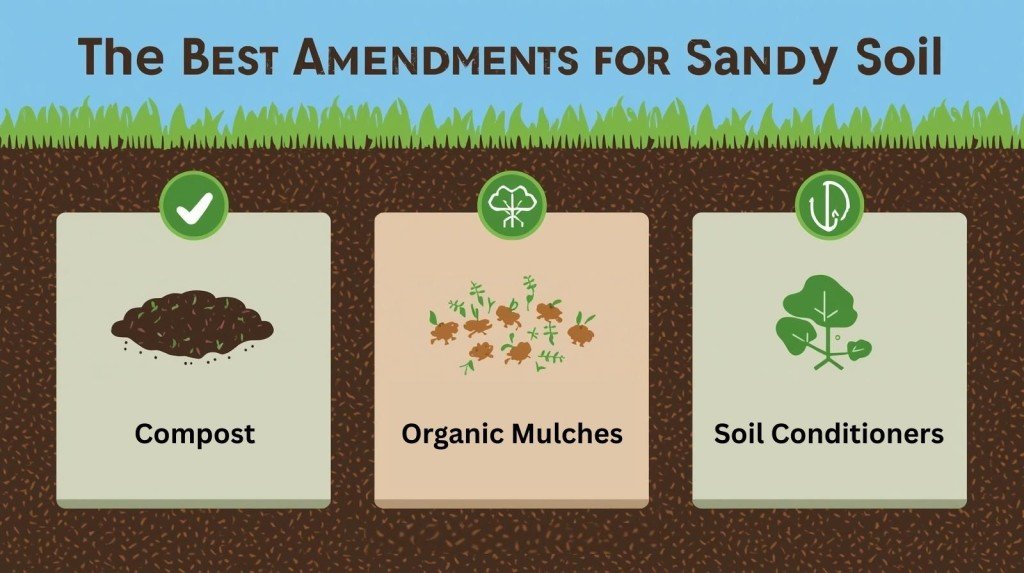
Amending sandy soil increases its water-holding capacity, supports nutrient retention, and improves overall plant health. Several products and materials are especially effective for Niagara gardeners:
Compost and aged manure enrich sandy soil with organic matter, helping it hold moisture and nutrients more effectively.
Organic mulches, such as shredded bark or straw, reduce evaporation and regulate soil temperature.
Soil conditioners available at Gauld Nurseries are specifically formulated to improve sandy soil structure and fertility.
By incorporating these amendments, sandy soil can be transformed into a more supportive environment for plants to flourish.
Actionable Steps for Sandy Soil
Once you’ve selected the right amendments, implementing proper techniques ensures your sandy soil works for you rather than against you. Practical steps include:
Build water-holding capacity by mixing compost or aged manure into the top several inches of soil before planting.
Follow fertilizing strategies designed for sandy soils, such as applying slow-release fertilizers or more frequent, smaller doses to reduce nutrient loss.
Choose plants well-suited to sandy conditions, including lavender, sedum, ornamental grasses, and many drought-tolerant perennials and vegetables.
With consistent care and thoughtful soil management, sandy soils in Niagara can support thriving gardens that retain moisture, nutrients, and vitality throughout the growing season.
6. Improving “In-Between” or Mixed Soils
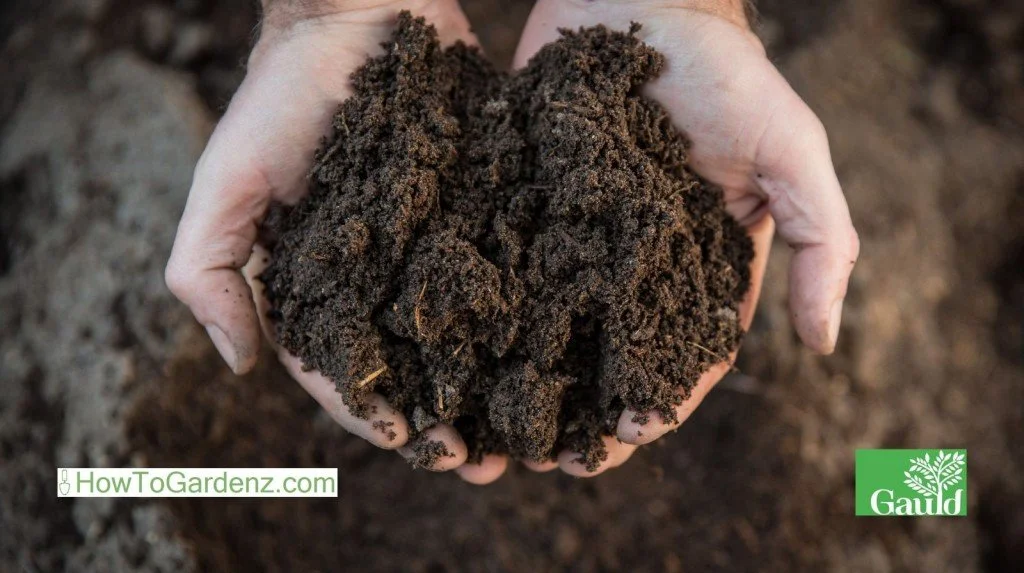
Many gardens in Niagara fall into an “in-between” category, often called loam or mixed soil. These soils combine characteristics of clay and sand, making them generally easier to work with than extreme soil types. However, even these soils benefit from ongoing care and fine-tuning to ensure optimal growth for flowers, shrubs, and vegetables.
How to Identify Loam or Mixed Soil
Knowing whether your soil is loam or mixed helps you determine the right amendments and care strategies. Indicators of loam or mixed soil include:
Loam soils feel soft and crumbly, hold moisture without becoming waterlogged, and have a balance of sand, silt, and clay.
Amended soils often show signs of previous gardening efforts, such as added compost, topsoil, or mulch layers that have blended into the original soil.
Well-balanced soil can support a variety of plants with minimal adjustment. Periodic testing of your can confirm fertility and structure.
Identifying your soil type accurately ensures that your improvement efforts are targeted and effective.
Fine-Tuning Soil Structure Over Time
Even balanced soils benefit from regular amendments and careful management to maintain ideal structure and fertility. Strategies for fine-tuning include:
Adding compost annually to maintain organic matter and support microbial activity.
Mixing in small amounts of clay or sand when the soil becomes too loose or too dense for optimal plant growth.
Rotating plantings and incorporating cover crops in vegetable beds to improve soil texture naturally.
These small, consistent adjustments help “in-between” soils remain productive and resilient year after year.
Seasonal Top-Dressing Strategies
Applying amendments on the soil surface at the right time of year can improve soil health without extensive digging. Seasonal strategies include:
Applying a layer of compost in early spring to boost nutrient availability for the growing season.
Top-dressing with organic mulch in summer to retain moisture and reduce temperature stress.
Adding compost or manure in the fall to prepare beds for winter and improve soil structure for spring planting.
These seasonal practices help maintain a balanced soil environment that supports strong root systems and vigorous plant growth.
Why Testing Soil Texture Matters
Even “in-between” soils can vary widely across a garden, making testing an important step before applying amendments. Soil testing helps you:
Confirm the proportion of sand, silt, and clay to guide amendment choices.
Identify nutrient deficiencies or pH imbalances that could affect plant performance.
Tailor fertilization and watering strategies to the specific needs of your soil.
By understanding your mixed soil through observation and testing, you can make informed adjustments that lead to healthier, more productive gardens throughout Niagara.
7. Soil Prep Tips for Planting Success
Proper soil preparation sets the stage for healthy, vigorous plants in any garden. Taking the time to prepare beds before planting not only helps flowers, shrubs, trees, and vegetables thrive but also reduces maintenance and improves long-term soil health. Below are practical strategies for preparing different types of plantings in Niagara gardens.
Preparing Beds for Flowers
Flower beds benefit from tailored soil preparation depending on whether you are planting annuals or perennials. Effective preparation supports stronger blooms, longer flowering periods, and healthier root systems. Key tips include:
Annuals thrive in nutrient-rich, well-draining soil that allows rapid growth and flowering throughout the season.
Perennials benefit from deeper soil preparation, which encourages strong root establishment that lasts for years.
Improving bloom performance is as simple as incorporating compost or a balanced soil blend into the bed before planting to provide steady nutrients.
By preparing flower beds carefully, you can ensure that plants produce vibrant, long-lasting blooms and establish strong root systems that support ongoing growth.
Preparing Soil for Shrubs & Trees
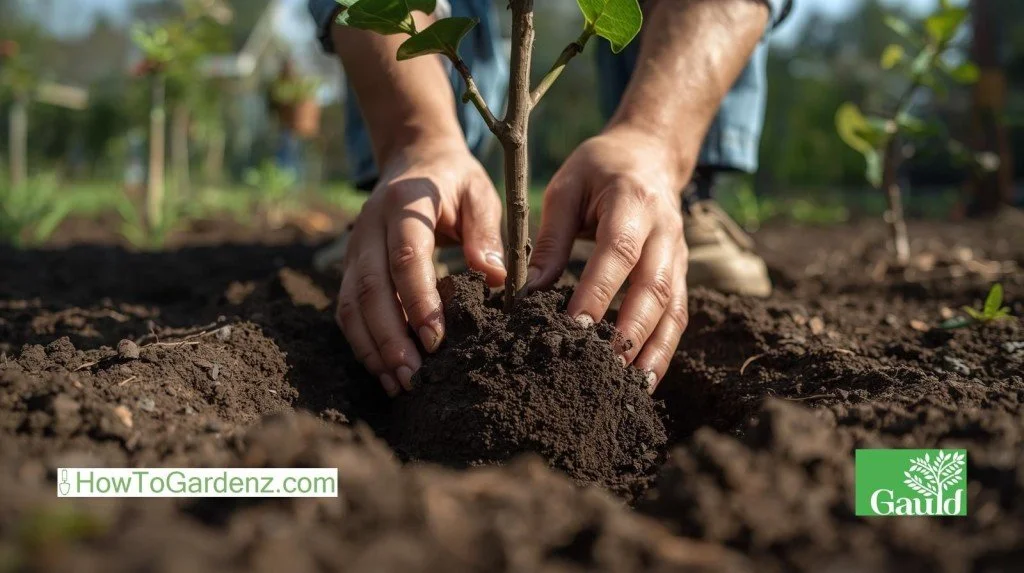
Shrubs and trees require more deliberate soil preparation than smaller plants because their roots establish slowly and need room to expand. Proper techniques include:
Digging a hole that is twice as wide as the root ball but only as deep as the root system prevents settling and encourages outward root growth.
Avoiding common backfill mistakes, such as using only native soil without amendments, which can impede root development and water absorption.
Encouraging root establishment by mixing compost or well-aged soil into the planting hole to provide nutrients and improve soil structure.
Following these guidelines gives shrubs and trees a strong foundation for long-term growth and resilience in Niagara gardens.
Preparing Vegetable Gardens for Optimal Growth
Vegetable gardens demand soil that supports rapid growth, high yields, and frequent replanting. Proper preparation ensures productive harvests year after year. Key strategies include:
Using nutrient-rich soil to provide vegetables with the elements they need for fast growth and abundant production.
Practicing crop rotation and replenishing compost each season to maintain soil fertility and prevent nutrient depletion.
Selecting the best soil blends for raised beds, including a mix of compost, topsoil, and organic matter, to create an ideal growing environment.
By preparing vegetable beds thoughtfully, you create conditions that maximize yield, reduce stress on plants, and maintain soil health for future growing seasons.
With proper soil preparation tailored to the type of planting, you can achieve a healthier, more productive garden while reducing ongoing maintenance and troubleshooting.
8. Ongoing Soil Care: Keep Improving Niagara Soil Year After Year
Improving Niagara soil isn’t a one-time task, it’s an ongoing process that ensures your garden remains healthy, productive, and resilient season after season. Regular maintenance and thoughtful care help soil retain nutrients, structure, and moisture while supporting thriving plants throughout the year.
Annual Compost Additions
Adding compost annually is one of the simplest and most effective ways to maintain soil health over time. Regular compost application keeps nutrients replenished and supports beneficial soil organisms. Key practices include:
Apply a layer of compost each spring to boost nutrient levels and prepare soil for new growth.
Top-dress perennials and established beds with compost to gradually improve soil structure without disturbing roots.
Incorporate compost into vegetable beds in the fall to enrich soil and prepare for the next growing season.
Consistent compost additions help maintain a fertile, well-structured soil that promotes stronger roots and healthier plants.
Mulching Strategies for Niagara Climates
Mulching plays a crucial role in protecting soil from temperature extremes, reducing evaporation, and controlling weeds. Effective mulching practices for Niagara gardens include:
Apply organic mulch, such as bark, straw, or shredded leaves, to flower beds and around shrubs to conserve moisture and moderate soil temperature.
Maintain a 2–3 inch mulch layer to balance protection with airflow and prevent suffocation of roots.
Replenish mulch as needed throughout the growing season to maintain effectiveness.
Mulching not only preserves soil structure but also reduces maintenance by limiting weeds and moisture fluctuations.
Watering Practices That Protect Soil Structure
How and when you water your garden affects both plant health and soil condition. Careful watering practices help prevent soil compaction and nutrient loss. Key tips include:
Water deeply and less frequently to encourage roots to grow deeper into the soil.
Avoid shallow, frequent watering that can wash away nutrients and create a hard surface crust.
Use drip irrigation or soaker hoses when possible to deliver water directly to plant roots while minimizing runoff.
Thoughtful watering practices support both plant health and long-term soil integrity.
Cover Crops and Fall Soil Care
Preparing soil in the fall helps protect it over the winter and improves fertility for the next season. Cover crops and other fall strategies include:
Plant cover crops, such as clover or rye, to reduce erosion, add organic matter, and fix nutrients in the soil.
Apply a layer of compost or well-rotted manure in the fall to enrich the soil over winter.
Avoid tilling excessively in late fall, as this can disturb soil structure when it is most vulnerable.
By implementing these fall and winter soil care practices, you ensure that your garden starts each spring with healthy, productive soil ready to support robust growth.
Ongoing soil care, combined with the right amendments and seasonal strategies, allows you to improve your soil continuously, creating a long-term foundation for vibrant flowers, shrubs, and vegetables.
9. Common Soil Improvement Mistakes to Avoid
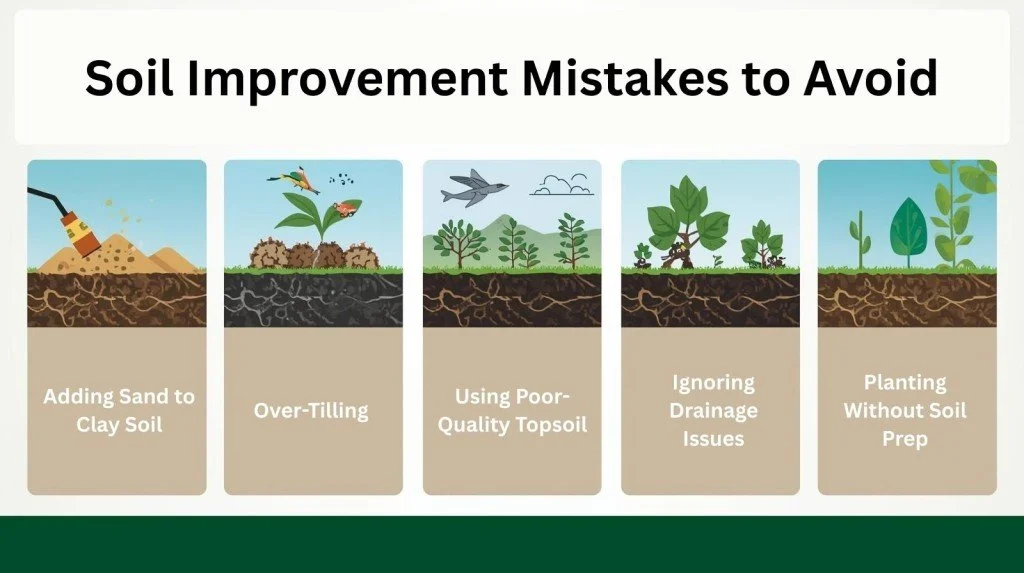
Even experienced gardeners can make mistakes when trying to improve their soil. These errors often slow plant growth, reduce yields, or even damage the soil structure you’re working to build. By being aware of common pitfalls, you can save time, effort, and resources while ensuring your garden thrives.
Mistakes That Can Harm Soil Structure
Some well-meaning techniques can actually make soil problems worse rather than better. Key mistakes to avoid include:
Adding sand to clay soil can create a cement-like mixture that is even harder to work with, instead of improving drainage.
Over-tilling breaks down soil structure, disrupts beneficial microbes, and can lead to compaction over time.
Using poor-quality topsoil may introduce weeds, pests, or nutrient deficiencies that hinder plant growth.
Understanding the potential harm of these practices helps you make informed choices and maintain healthy soil over the long term.
Mistakes That Affect Plant Growth
Even with good soil, improper preparation and neglect can limit plant performance. Common mistakes include:
Ignoring drainage issues can lead to waterlogged roots in clay soils or rapid drying in sandy soils, both of which stress plants.
Planting without soil prep prevents roots from accessing nutrients, establishing properly, or growing into a supportive soil environment.
By avoiding these errors, you can maximize the effectiveness of your soil improvement efforts and set your plants up for long-term success.
Being mindful of these common mistakes ensures that your work to improve your soil is effective and sustainable, creating a strong foundation for healthy flowers, shrubs, and vegetables.
10. Why Gauld Nurseries Is Niagara’s Soil Solution Expert

*Image by Gauld Nurseries
When it comes to improving soil in Niagara, having a trusted local resource can make all the difference. Gauld Nurseries combines decades of experience with personalized guidance to help gardeners create healthy, productive gardens that thrive in the region’s unique soils.
Decades of Local Growing Knowledge
Gauld Nurseries has been serving Niagara gardeners since 1950, accumulating expertise in local soil types, plant varieties, and seasonal challenges. This experience allows them to:
Provide expert advice that accounts for Niagara’s unique soil conditions, from heavy clay to sandy pockets.
Recommend long-term strategies that support soil health, rather than quick fixes that may cause problems later.
Share proven techniques for soil improvement, planting, and ongoing garden care.
This deep local knowledge ensures that advice and products are tailored specifically to the needs of Niagara gardeners.
Staff Guidance Tailored to Niagara Conditions

*Image by Gauld Nurseries
Every garden is unique, and Gauld’s knowledgeable staff take the time to understand individual needs. Their guidance helps gardeners make informed decisions:
Staff can assess your soil type and recommend the best amendments or compost blends for optimal results.
They offer personalized planting tips for flowers, shrubs, and vegetables based on local climate and seasonal considerations.
Gauld’s team can troubleshoot common soil problems and provide actionable solutions that save time and effort.
Having access to expert guidance makes improving your soil and growing healthy plants simpler and more effective.
Quality Soil, Compost, and Amendment Products
Gauld Nurseries carries a wide range of high-quality products that support healthy soil and plant growth. These products help gardeners achieve better results without guesswork:
Premium compost and soil blends improve nutrient levels and structure across all soil types.
Organic amendments and manure-based mixes enhance fertility for flowers, shrubs, and vegetable gardens.
Specialty soil conditioners and mulches help address drainage, moisture retention, and texture issues.
With reliable products, gardeners can confidently build and maintain soil that supports thriving gardens.
Hands-On Advice for Flowers, Trees, Shrubs, and Vegetables
Beyond products, Gauld Nurseries emphasizes practical, hands-on support for every gardener. Their team helps you:
Select plants that are well-suited to your soil and growing conditions.
Apply compost, amendments, and mulch correctly for lasting soil improvement.
Plan planting strategies and seasonal care routines that maximize bloom, yield, and plant health.
By combining expertise, guidance, and high-quality products, Gauld Nurseries empowers Niagara gardeners to improve soil effectively and sustainably. Whether you’re planting flowers, shrubs, or vegetables, Gauld provides the tools and knowledge to achieve lasting garden success.
11. Grow Better Gardens: Final Tips and Expert Guidance

*Image by Gauld Nurseries
Improving Niagara soil is a rewarding process, but it doesn’t have to be overwhelming. By taking gradual steps and focusing on consistent care, gardeners can build healthier soil that supports vibrant flowers, shrubs, and vegetables year after year.
Key Tips for Success
Starting small and staying consistent often leads to the best results in soil improvement. Keep the following strategies in mind:
Begin with one garden bed or a small section of your yard to practice soil improvement techniques before expanding.
Remember that better soil leads to better plants, providing stronger roots, more blooms, and higher vegetable yields.
Incorporate compost, mulch, and amendments gradually to maintain soil structure and avoid overloading the soil.
Taking manageable steps helps you build confidence and ensures lasting improvements in soil health and garden performance.
Visit Gauld Nurseries for Expert Guidance

*Image by Gauld Nurseries
For gardeners looking for advice, high-quality products, or hands-on support, Gauld Nurseries is your local resource. Their team can help you:
Choose the right compost, soil blends, and amendments for your specific soil type.
Plan soil preparation, planting, and seasonal care strategies tailored to Niagara conditions.
Troubleshoot soil or planting challenges and provide solutions that lead to healthier, more productive gardens.
Bring a soil question. Our team is happy to help!
By combining gradual, thoughtful soil improvement with the expert guidance and products available at Gauld Nurseries, Niagara gardeners can create thriving, resilient gardens that look beautiful and perform at their best year after year.
Get Growing with How to Gardenz
Connect with our gardening experts at HowToGardenz! We provide tips, tools, and reviews to help you develop your green thumb while embracing sustainable and low-maintenance gardening practices. Learn how to grow a thriving garden that’s both eco-friendly and easy to care for!
Have gardening expertise to share? Or a thriving greenhouse to showcase? Join HowToGardenz! List your products or services and connect with other plant enthusiasts who are passionate about creating sustainable, beautiful gardens. Let's spread the joy of growing together, with less effort and more impact!