
Microclimate Gardening: How to Use Shade, Wind, and Heat Pockets to Your Advantage
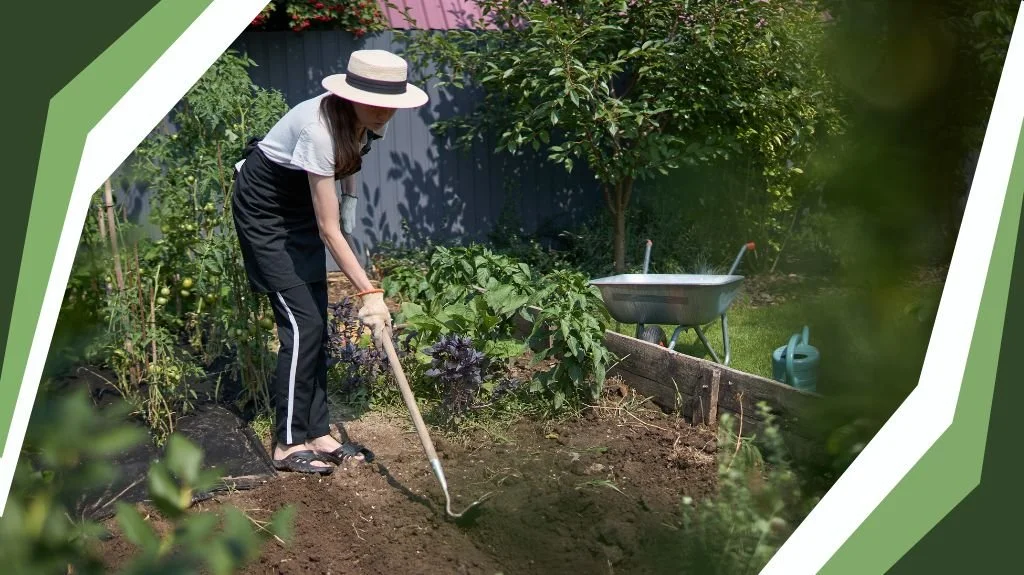
If you’ve ever wondered why one part of your yard thrives while another struggles, the answer often comes down to microclimates. Microclimate gardening is all about understanding the small but powerful differences in sunlight, temperature, wind, and moisture that exist within your landscape and using them to your advantage. From shady corners that stay cool and damp to sun-soaked areas that trap heat, every yard has unique zones that can either challenge your plants or help them flourish.
The good news? Once you learn how to identify and work with these microclimates, you can turn “problem areas” into some of the most beautiful and productive parts of your garden. With the right plant choices and a bit of planning, you’ll spend less time troubleshooting and more time enjoying a thriving, low-maintenance outdoor space.
Looking for expert guidance? The team at Gauld Nurseries specializes in helping homeowners select the right plants for Niagara’s diverse growing conditions. Whether you’re dealing with deep shade, dry heat, or tricky wind exposure, their knowledgeable staff can help you plan a garden that works with your yard, not against it.
Key Takeaways: Microclimate Gardening
Microclimates are small, localized zones in your yard where sunlight, temperature, wind, and moisture differ from surrounding areas.
Observing sunlight, feeling temperature differences, monitoring wind, and checking soil moisture help you identify each microclimate.
Shade zones, heat pockets, wind-exposed areas, and sheltered spots each have unique characteristics that influence plant selection.
Matching plants to the specific conditions of each microclimate increases growth success, reduces maintenance, and prevents plant stress.
Design strategies such as grouping plants by needs, using hardscaping, and creating intentional microclimates enhance your garden’s overall performance.
Avoid common mistakes like ignoring sunlight patterns, overwatering shaded areas, or underestimating wind exposure to maximize garden success.
Leveraging expert advice from local resources, like Gauld Nurseries, helps you select the right plants and plan your garden for Niagara’s varied conditions.
Microclimate gardening turns “problem areas” into opportunities, allowing every part of your yard to thrive beautifully.
Microclimate Gardening
1. What Is a Microclimate in Your Garden?
A microclimate is a small area within your yard where the growing conditions, such as temperature, sunlight, wind, and moisture, differ from the surrounding space. Even in a single backyard, these subtle variations can have a big impact on how well your plants grow.
In simple terms, think of your garden as a collection of mini-environments rather than one uniform space. Understanding these differences is the key to placing the right plants in the right locations.
What Creates Microclimates?
Several natural and man-made factors work together to create microclimates in your yard. These elements influence how heat, light, and moisture are absorbed and retained in different areas.
Sunlight exposure determines how much direct light an area receives, which directly affects temperature and plant growth.
Structures like houses, fences, and walls can block wind, reflect heat, and create sheltered or warmer zones.
Soil type and drainage influence how much moisture is retained, with sandy soils drying out quickly and clay soils holding water longer.
Elevation and slope affect both temperature and water movement, as lower areas tend to collect moisture and cold air.
Together, these factors create a patchwork of growing conditions that can vary significantly across even a small property. According to the Royal Horticultural Society, recognizing these localized differences is essential for improving plant health and garden performance.
Common Microclimate Examples in Your Yard
Once you start looking for them, microclimates are easy to spot. Here are some of the most common types you’ll find in a typical home landscape:
Sunny vs. Shaded Areas
Different parts of your yard receive varying levels of sunlight throughout the day, which creates distinct growing zones.
South- and west-facing areas typically receive the most sunlight and tend to be warmer and drier.
North-facing areas and spaces under trees or beside buildings often remain shaded and cooler.
These differences can determine whether a plant thrives or struggles, especially for sun-loving versus shade-tolerant species.
Wind-Exposed vs. Sheltered Zones
Wind patterns can dramatically change how plants experience your garden environment.
Open areas or spaces between buildings are often exposed to strong winds that dry out soil and stress plants.
Areas protected by fences, hedges, or structures tend to be calmer and more stable.
Sheltered zones often create more favourable conditions for delicate or heat-loving plants.
Moist vs. Dry Pockets
Water distribution is rarely even across a yard, leading to noticeable differences in soil moisture.
Low-lying areas or spots with poor drainage tend to stay wetter for longer periods.
Elevated areas or sandy soil zones often drain quickly and dry out faster.
These moisture differences play a major role in plant selection, as some plants require consistently damp soil while others prefer dry conditions.
Why Microclimates Matter
By recognizing and understanding these small but important variations, you can make smarter planting decisions and avoid common gardening frustrations. Instead of fighting your yard’s natural conditions, microclimate gardening allows you to work with them, resulting in healthier plants, less maintenance, and a more successful garden overall.
2. How to Identify Microclimates in Your Yard (Step-by-Step)
🔍 How to Identify Microclimates in Your Yard
Follow these five steps to map the unique growing zones hiding in your garden.
Spend a day tracking how light moves across your yard — morning, midday, and late afternoon. Note areas of full sun, partial shade, and deep shade.
Walk your yard at different times of day and feel for warm pockets near walls, paving, or south-facing slopes — and cooler hollows where cold air settles.
On a breezy day, move through your yard and identify gusty corridors between buildings or fences versus calm, sheltered spots protected by hedges or walls.
After rain or watering, press your finger 2–3 cm into the soil across different areas. Sandy and sloped areas drain quickly; low-lying clay areas stay wet much longer.
Sketch a simple top-down plan of your property. Mark each zone you've identified — shade, heat pocket, wind tunnel, sheltered area — so you can match the right plants to the right spots.
Ready to plant smarter?
Once your yard map is complete, use our Microclimate Guide above to match each zone with the perfect plants and design tips.
Identifying microclimates in your yard doesn’t require special tools, just careful observation and a bit of consistency. By paying attention to how sunlight, temperature, wind, and moisture vary across your property, you can create a clear picture of your garden’s unique growing conditions.
Step 1 – Observe Sunlight Patterns
Sunlight is one of the most important factors influencing plant success, and it can vary significantly across your yard.
You should track which areas receive full sun (6+ hours), partial shade, or full shade throughout the day.
You should observe your yard at different times, such as morning, midday, and late afternoon, to see how shadows move.
You should account for seasonal changes, as sun angles shift between spring, summer, and fall, altering light exposure.
Taking the time to monitor sunlight patterns will help you avoid placing sun-loving plants in shaded areas or shade plants in harsh, direct light. The Royal Horticultural Society emphasizes that understanding daily and seasonal sun exposure is essential for proper plant placement.
Step 2 – Feel Temperature Differences
Temperature can vary noticeably across small areas of your yard, especially near structures and hard surfaces.
You should identify heat-retaining areas such as spots near brick walls, driveways, patios, and stone features that absorb and radiate warmth.
You should locate cooler zones, including low-lying areas where cold air settles and shaded corners that receive little direct sunlight.
These temperature differences can impact plant growth, frost risk, and overall plant health, making it important to match plants to the right thermal conditions.
Step 3 – Watch Wind Movement
Wind exposure is often overlooked, but it plays a major role in drying soil and stressing plants.
You should notice areas where strong gusts consistently occur, such as open spaces or narrow gaps between buildings.
You should identify calmer, sheltered spots that are protected by fences, hedges, or structures.
You should pay attention to your yard during windy days or after storms to better understand how air moves through your space.
By understanding wind patterns, you can protect vulnerable plants and take advantage of sheltered areas for more sensitive species.
Step 4 – Check Soil Moisture
Soil moisture levels can vary widely, even within a small yard, and they directly affect plant survival.
You should identify areas where soil dries out quickly, such as sandy or elevated spots with fast drainage.
You should locate areas that stay damp or wet longer, including low spots or areas with compacted or clay-heavy soil.
Checking soil moisture after rainfall or watering will give you a clearer understanding of how water moves through your landscape. According to the University of Minnesota Extension, matching plants to soil moisture conditions is critical for long-term success.
Step 5 – Create a Simple Yard Map
Once you’ve observed these patterns, the next step is to bring everything together into a practical plan.
You should sketch a simple layout of your property, including key features like your home, trees, fences, and pathways.
You should label different zones based on your observations, such as sunny areas, shaded spots, windy sections, heat pockets, and moist or dry zones.
You should use this map as a guide when selecting and placing plants in your garden.
Creating a visual reference makes it much easier to plan your garden strategically and avoid costly planting mistakes. Over time, this map will become an essential tool for improving your landscape and making informed gardening decisions.
3. Common Microclimates and How to Use Them
🌿 Garden Microclimate Guide
Every garden has hidden microclimates. Learn how to identify yours and match the perfect plants to each unique zone.
North-facing areas, under trees or beside buildings — cooler with slower evaporation and consistently moist soil.
- Layer textures with bold foliage contrasts
- Use light-coloured foliage to brighten the area
- Add mulch to retain precious moisture
Near concrete, brick, or stone with south/west-facing walls — intense sun exposure creates high temperatures and rapid soil drying.
- Choose drought-tolerant, heat-loving varieties
- Use gravel or stone mulch to reflect heat upward
- Avoid placing sun-sensitive plants here
Between buildings or fences, open yards with little protection — accelerated airflow causes faster soil drying and physical plant stress.
- Install windbreaks with shrubs or fencing
- Group plants together for mutual protection
- Stake young or tall plants until established
Enclosed by fences, hedges, or walls — warmer and stable conditions create an extended growing season ideal for tender plants.
- Reserve this zone for your most sensitive plants
- Ideal for early spring and late autumn planting
- Monitor for overheating in peak summer
Every yard contains a variety of microclimates, each with its own unique conditions that affect plant growth. By recognizing these zones and selecting plants suited to each, you can turn challenging areas into thriving garden spaces. Below are some of the most common microclimates you’ll encounter and practical ways to make the most of them.
Shade Zones (Cool & Moist Areas)
Shade zones are typically cooler and retain moisture longer, making them ideal for plants that thrive out of direct sunlight. These areas often require careful plant selection and thoughtful design to bring interest and texture to your garden.
Characteristics of Shade Zones:
Shade zones are usually north-facing, where sunlight is limited for most of the day.
They are often found under trees or beside buildings that block direct light.
These areas are cooler than their surroundings and experience slower evaporation, which can keep soil moist for longer periods.
Plant Suggestions for Shade Zones:
Hostas provide lush foliage that brightens shaded areas.
Ferns thrive in damp, cool conditions and add texture to shady corners.
Astilbe produces delicate blooms and grows well in partial to full shade.
Heuchera offers colourful foliage and tolerates lower light conditions.
Design Tips for Shade Zones:
Layer textures and plant heights instead of relying solely on flowers for visual interest.
Use lighter-coloured foliage to brighten darker spots and create contrast.
Add mulch to help retain moisture and maintain consistent soil conditions.
Properly utilizing shade zones allows you to transform cool, underused corners into visually appealing and low-maintenance areas.
Heat Pockets (Warm & Dry Areas)
Heat pockets are warm, sun-exposed areas that often sit near hard surfaces like walls or patios. These zones can dry out quickly, so they are best suited for drought-tolerant plants that can handle full sun.
Characteristics of Heat Pockets:
These areas are often located near concrete, brick, or stone, which absorb and radiate heat.
They are commonly south- or west-facing walls that receive intense sunlight.
High sun exposure makes these zones warmer than the surrounding garden and can increase soil drying.
Plant Suggestions for Heat Pockets:
Lavender thrives in hot, dry conditions and adds fragrance.
Sedum is a hardy succulent that tolerates drought and full sun.
Coneflowers (Echinacea) attract pollinators and grow well in sunny spots.
Ornamental grasses provide movement and texture while tolerating heat.
Design Tips for Heat Pockets:
Choose drought-tolerant plants that can survive periods of dry soil.
Use gravel or stone mulch to help retain heat and reduce water loss.
Avoid delicate plants that scorch easily in full sun.
By selecting the right species and providing protective measures, heat pockets can become vibrant, low-maintenance focal points in your garden.
Wind Tunnels (Exposed Areas)
Wind-exposed areas can stress plants by drying out soil and foliage, making careful selection and strategic protection essential.
Characteristics of Wind Tunnels:
These zones are often found between buildings or fences where wind is funnelled.
Open yards with little protection can experience constant gusts that stress plants.
Soil in these areas dries faster, which can make watering and maintenance more challenging.
Plant Suggestions for Wind Tunnels:
Juniper is hardy and tolerates strong winds without damage.
Boxwood provides structure and forms a natural windbreak.
Daylilies are resilient perennials that withstand exposed conditions.
Switchgrass grows well in windy, open spaces and adds vertical interest.
Design Tips for Wind Tunnels:
Install windbreaks using shrubs, fences, or other barriers to protect vulnerable plants.
Group plants together to reduce exposure and create a more stable microclimate.
Stake young or top-heavy plants to prevent wind damage while they establish.
Effectively managing wind-exposed areas helps reduce plant stress and ensures stronger, healthier growth.
Sheltered Areas (Protected Microclimates)
Sheltered microclimates offer warmer, more stable conditions that can extend the growing season and support more delicate or borderline-hardy plants.
Characteristics of Sheltered Areas:
These areas are enclosed by fences, hedges, or walls that block wind and moderate temperature.
Sheltered zones are warmer and more stable than exposed areas.
They can provide an extended growing season by protecting plants from frost and harsh weather.
Plant Suggestions for Sheltered Areas:
Roses flourish in protected spaces where wind and cold are minimized.
Hydrangeas benefit from stable, moderated conditions that support blooms.
Japanese maple (protected varieties) thrive when shielded from harsh wind and sun.
Tender perennials can survive and bloom in areas that would otherwise be too exposed.
Design Tips for Sheltered Areas:
Use these spaces for sensitive or borderline-hardy plants that require extra protection.
They are ideal for early planting in spring or late-season crops in fall.
Monitor for overheating during summer, as sheltered areas can trap heat.
When leveraged correctly, sheltered microclimates can support a wider range of plant species and create standout garden features.
4. Designing Your Garden Around Microclimates

Once you’ve identified the different microclimates in your yard, the next step is to plan your garden so that each plant thrives in the conditions it prefers. Thoughtful design ensures your garden looks cohesive while minimizing maintenance and maximizing plant health.
Use the “Right Plant, Right Place” Principle
You should match each plant to the conditions of its microclimate rather than forcing it into an unsuitable spot.
You should consider sunlight, soil moisture, wind exposure, and temperature when selecting plants.
You should remember that even small adjustments, like moving a sun-loving plant a few feet into a brighter spot, can make a big difference.
Selecting plants for their preferred environment reduces stress, disease risk, and watering needs, making your garden more resilient and sustainable.
Group Plants with Similar Needs
You should plant species with similar water, light, and soil requirements together to simplify maintenance.
You should create zones, such as drought-tolerant beds in heat pockets and moisture-loving beds in shaded areas.
You should use plant groupings to create visual harmony and enhance the natural beauty of each microclimate.
Grouping plants strategically allows for more efficient care and highlights the unique character of each microclimate.
Incorporate Hardscaping Strategically
You should use fences, walls, trellises, and patios to modify conditions and create or enhance microclimates.
You should place stone or brick features to absorb heat in cooler zones or provide shelter from wind.
You should use raised beds or berms to improve drainage in damp areas or to elevate plants in wetter sections.
Hardscaping can transform marginal areas into productive, attractive spaces while providing structural interest throughout your garden.
Create Intentional Microclimates
You should install shade structures, pergolas, or garden screens to protect sensitive plants from harsh sun or wind.
You should plant shrubs or hedges as natural windbreaks for delicate plants or exposed sections.
You should use mulch, rocks, or water features to moderate temperature extremes and retain soil moisture.
By intentionally shaping your yard’s microclimates, you gain more control over plant performance and expand the variety of species you can grow.
Plan for Seasonal and Long-Term Changes
You should observe how microclimates shift with the seasons, as sunlight angles, wind patterns, and soil moisture fluctuate.
You should adjust plant placement and protective measures accordingly to keep your garden thriving year-round.
You should consider plant growth over time, ensuring taller plants do not shade smaller companions or disrupt established zones.
Planning for seasonal and long-term changes ensures that your garden remains balanced, healthy, and visually appealing for years to come.
By designing your garden around microclimates, you’re not just planting flowers; you’re creating a resilient landscape that works with nature. Leveraging each zone’s unique conditions allows your garden to thrive with less effort and provides opportunities to experiment with plants that might not succeed elsewhere.
5. Expert Tips from Gauld Nurseries

When it comes to microclimate gardening in Niagara, the team at Gauld Nurseries is an invaluable resource. Their decades of experience help homeowners match the right plants to tricky yard conditions, ensuring success even in areas that seem challenging at first glance.
Matching Plants to Your Microclimates
Gauld Nurseries emphasizes choosing plants that naturally thrive in the conditions you’ve identified, rather than trying to force a plant into an unsuitable spot.
They recommend using sun-loving species in heat pockets, moisture-tolerant plants in shady corners, and hardy shrubs in wind-exposed areas.
For microclimates that shift seasonally, they suggest planting flexible species that can tolerate a range of conditions, ensuring garden resilience year-round.
By selecting plants suited to each zone, you reduce maintenance, improve growth, and avoid the frustration of repeatedly replacing struggling plants.
Practical Planting Advice for Tricky Areas
For shaded spots under trees or near buildings, Gauld Nurseries suggests hostas, ferns, and shade-tolerant perennials to add texture and colour.
In hot, sunny areas like south-facing walls or patios, they recommend drought-resistant species such as lavender, sedum, and ornamental grasses.
For wind-prone sections, hardy shrubs like boxwood or juniper help stabilize the soil while creating a natural windbreak.
Sheltered zones are ideal for more sensitive species like roses, hydrangeas, and Japanese maples, which benefit from protection against frost and harsh weather.
Their guidance ensures that even “problem” areas of a yard can become productive, attractive sections of the garden.
Consultation and Personalized Recommendations
Gauld Nurseries encourages homeowners to visit their Niagara location or consult their staff to get tailored advice for their specific yard.
Their experts can help map microclimates, recommend suitable plant varieties, and suggest design strategies for maximum success.
Leveraging local expertise helps gardeners save time, reduce trial-and-error, and enjoy a thriving, low-maintenance landscape.
By incorporating Gauld Nurseries’ advice, you can confidently plan a garden that works with your yard’s unique microclimates rather than against them, turning every zone into an opportunity for growth and beauty.
6. Common Microclimate Gardening Mistakes to Avoid

Even experienced gardeners can make errors when working with microclimates. Recognizing these pitfalls helps you save time, reduce plant stress, and improve overall garden success.
Ignoring Sun Patterns
Planting without observing sunlight exposure can lead to sunburned leaves or weak growth. Seasonal changes in sun angles can alter light levels, so it’s important to track patterns throughout the year.
Choosing Plants Based on Looks Instead of Conditions
Selecting plants solely for colour or appearance, without considering their light, soil, or moisture needs, often leads to poor performance. Matching plants to their preferred microclimate ensures healthier growth and longer-lasting results.
Overwatering Shaded Areas
Shaded, cooler zones retain moisture longer, so overwatering can cause root rot and fungal problems. Adjust watering schedules according to each microclimate’s moisture retention.
Underestimating Wind Exposure
Exposed areas can dry soil quickly and damage fragile plants. Installing windbreaks or grouping plants strategically can mitigate wind stress.
Not Accounting for Seasonal Changes
Microclimates shift with seasons, affecting sunlight, temperature, and moisture. Failing to plan for these changes can stress plants and reduce yields or blooms.
By avoiding these common mistakes, you’ll set your garden up for long-term success and make each microclimate work in your favour.
7. FAQ: Microclimate Gardening
What is microclimate gardening?

Microclimate gardening is the practice of understanding and using small variations in temperature, sunlight, wind, and moisture within your yard to create the best growing conditions for your plants. By identifying these zones, you can place plants where they will thrive naturally.
How do I find microclimates in my yard?
You can find microclimates by observing sunlight patterns, feeling temperature differences, checking wind exposure, and monitoring soil moisture. Mapping these conditions across your property provides a clear guide for plant placement and garden design.
Which plants grow best in shaded areas?
Shade-tolerant plants such as hostas, ferns, astilbe, and heuchera thrive in cooler, low-light areas. These plants benefit from the moisture retention and protection that shaded microclimates provide.
Can I create my own microclimate?
Yes, you can modify your garden’s conditions by using structures like fences, walls, pergolas, or trellises, as well as planting windbreaks or adding mulch and stones to retain heat and moisture. Intentional design can turn challenging spots into productive microclimates.
Why is microclimate gardening important?
Understanding microclimates helps you choose the right plants for each area, reduce maintenance, prevent plant stress, and increase the overall success of your garden. Working with your yard’s natural conditions saves time, water, and effort.
8. Final Thoughts: Turn Problem Areas Into Opportunities

Microclimate gardening transforms your perspective on challenging spots in your yard. Areas that once seemed too shady, too dry, or too windy can become thriving spaces when paired with the right plants and thoughtful design.
Observe, map, and understand the microclimates in your garden.
Match plants to the conditions they prefer.
Use design strategies, hardscaping, and sheltering techniques to enhance each zone.
Leverage expert advice, such as the recommendations from Gauld Nurseries, for tricky areas.
With careful planning and the right guidance, every corner of your yard can become an opportunity for growth, beauty, and low-maintenance gardening enjoyment.
Understanding and working with microclimates allows you to turn every corner of your yard into a thriving garden. By observing sunlight, temperature, wind, and moisture patterns and choosing plants suited to each zone, you can reduce maintenance, improve plant health, and create a more beautiful, resilient landscape.
For personalized advice and plant recommendations tailored to Niagara’s diverse microclimates, visit Gauld Nurseries. Their expert team can help you transform challenging spots into standout features, ensuring your garden thrives year-round.
If you’re located in the Niagara region, we highly recommend visiting Gauld Nurseries in Niagara Falls. Known for their experienced staff, beautiful nursery grounds, and strong selection of trees, shrubs, perennials, and native plants, Gauld Nurseries is a trusted local garden centre that helps gardeners of all experience levels succeed. It’s a great example of what makes a truly great garden centre, and a proud holder of the HowToGardenz Badge of Approval.
What Gauld Nurseries Customers Are Saying…
“We would highly recommend Gauld Nurseries. We've used them over the past several seasons and have been beyond satisfied each and every time. From Alex's and Paula's expertise and knowledge in planning to the many hard working crews. Everyone is professional, courteous and efficient. We absolutely love spending time outdoors enjoying the beauty of their work. They've truly transformed our yard which brings us so much joy.
There is no else we would rather call. Thank-you Gauld!” - Lucia L
Connect with Gardening Experts
Connect with our gardening experts at HowToGardenz! We provide tips, tools, and reviews to help you develop your green thumb while embracing sustainable and low-maintenance gardening practices. Learn how to grow a thriving garden that’s both eco-friendly and easy to care for!
Have gardening expertise to share? Or a thriving greenhouse to showcase? Join HowToGardenz! List your products or services and connect with other plant enthusiasts who are passionate about creating sustainable, beautiful gardens. Let's spread the joy of growing together, with less effort and more impact!