
Planning a New Garden in Niagara: A Step-by-Step Plant Selection Blueprint
Starting a new garden is exciting, but without a clear plan, it can quickly become overwhelming. Many Niagara homeowners jump straight into buying plants, only to find that they struggle in the wrong light, soil, or space.
The truth is, a successful garden doesn’t start at the nursery, it starts with understanding your yard and choosing plants that are naturally suited to thrive there. With the right approach, you can create a beautiful, low-maintenance garden that grows better year after year.
In this guide, we’ll walk you step by step through how to assess your conditions, define your goals, and confidently select the right trees, shrubs, and perennials for your space.
When you’re ready to turn your plan into reality, visit Gauld Nurseries for expert guidance and a wide selection of the healthiest plants.
Key Takeaways
A successful garden starts with planning your sunlight, soil, space, and maintenance level before choosing any plants.
Matching plants to your exact yard conditions is more important than choosing plants based on appearance alone.
Using a simple decision framework helps you confidently select trees, shrubs, and perennials that will thrive long-term.
Layering your garden with trees, shrubs, perennials, and groundcovers creates structure, balance, and visual interest.
Mapping your garden layout before planting helps prevent overcrowding and costly mistakes.
Native and low-maintenance plants are ideal for Niagara gardens because they are better adapted to local conditions.
Expert guidance from a local nursery can help refine your plan and improve plant success rates.
Planning a new Garden
5-Step Blueprint
Understand Conditions
Assess sunlight, soil, drainage, and microclimates.
Define Goals
Decide on style, function, and maintenance level.
Build Framework
Match plants to light, soil, space, and maintenance.
Choose Plants
Select trees, shrubs, and perennials suited to Niagara.
Map It Out
Sketch your layout and plan before planting.
Step 1 – Understand Your Garden Conditions
Before you choose a single plant, take time to understand the conditions in your yard. This step is the foundation of successful garden planning, because even the healthiest plants will struggle if they’re placed in the wrong environment.
Sunlight: Know Your Light Levels
Sunlight is one of the most important factors in plant success. Different plants require different light conditions, and guessing often leads to poor results.
Full sun areas receive at least six hours of direct sunlight per day, typically in open, unobstructed parts of your yard.
Partial sun or partial shade areas receive between three to six hours of sunlight, often in spaces with some tree cover or shifting shade.
Full shade areas receive less than three hours of direct sunlight and are usually found on the north side of buildings or under dense tree canopies.
To accurately understand your light conditions, track how sunlight moves across your yard throughout the day.
Observe your garden in the morning, midday, and late afternoon to see which areas receive consistent sun or shade.
Take notes or photos at different times to create a simple sunlight map of your space.
Repeat this process over a few days to confirm consistent patterns.
Matching plants to the correct light conditions is critical because it directly affects their ability to grow, bloom, and stay healthy. When light levels are wrong, even well-watered and fertilized plants will struggle.
Soil Type & Drainage
Soil plays a bigger role in plant health than most homeowners expect, especially in Niagara where clay-heavy soil is common.
Clay soil holds moisture for long periods but can become compacted and poorly drained.
Sandy soil drains quickly but may not retain enough nutrients or moisture.
Loamy soil is the ideal balance, offering good drainage while still holding nutrients.
You don’t need professional tools to get a basic understanding of your soil.
Perform a simple squeeze test by moistening soil and compressing it in your hand to see if it holds its shape or crumbles.
Look at how your soil behaves after rainfall to identify whether water pools or drains quickly.
Consider digging a small test hole to observe soil texture and consistency below the surface.
Drainage is just as important as soil type, and it can be tested easily at home.
Dig a hole about 12 inches deep and fill it with water to observe how quickly it drains.
If water remains after several hours, your soil likely has drainage issues.
If it drains almost immediately, your soil may be too sandy or dry.
Understanding your soil helps you choose plants that will naturally thrive, reducing the need for constant maintenance and soil amendments.
Space & Layout
A common mistake in new garden planning is underestimating how large plants will grow over time. Planning your space properly prevents overcrowding and costly rework later.
Measure your garden area to understand exactly how much room you have to work with.
Sketch a rough layout that includes existing structures like fences, patios, and walkways.
Identify key planting zones within your space.
It’s equally important to plan for the mature size of plants, not how they look at the garden centre.
Check plant tags or descriptions for mature height and width before selecting them.
Leave enough space between plants to allow for full growth without crowding.
Avoid the temptation to “fill gaps” too tightly, as this leads to competition and maintenance issues later.
Thoughtful spacing ensures your garden looks balanced as it matures and reduces the need for pruning or plant removal down the road.
Microclimates in Your Yard
Even within a single yard, conditions can vary significantly. These small variations, known as microclimates, can influence which plants will perform best in different areas.
Wind exposure can dry out soil quickly and damage delicate plants in more open areas.
Areas near fences, walls, or your home can create sheltered zones with less wind and slightly warmer temperatures.
Sloped areas may drain faster and experience different sun exposure than flat ground.
You may also notice temperature differences across your yard depending on sun exposure and surrounding structures.
South-facing areas often stay warmer and receive more consistent sunlight.
Shaded or low-lying areas may stay cooler and retain moisture longer.
Surfaces like stone or concrete can reflect heat and create warmer pockets nearby.
By identifying these microclimates, you can place plants more strategically and give each one the best chance to thrive.
Taking the time to understand your sunlight, soil, space, and microclimates will make every other step in the planning process easier. With these conditions clearly defined, you can move forward with confidence and choose plants that are set up for long-term success. If you’d like expert input before making your final selections, visit Gauld Nurseries for personalized advice and recommendations tailored to your specific yard.
🔍 How to Identify Microclimates in Your Yard
Follow these five steps to map the unique growing zones hiding in your garden.
Spend a day tracking how light moves across your yard — morning, midday, and late afternoon. Note areas of full sun, partial shade, and deep shade.
Walk your yard at different times of day and feel for warm pockets near walls, paving, or south-facing slopes — and cooler hollows where cold air settles.
On a breezy day, move through your yard and identify gusty corridors between buildings or fences versus calm, sheltered spots protected by hedges or walls.
After rain or watering, press your finger 2–3 cm into the soil across different areas. Sandy and sloped areas drain quickly; low-lying clay areas stay wet much longer.
Sketch a simple top-down plan of your property. Mark each zone you've identified — shade, heat pocket, wind tunnel, sheltered area — so you can match the right plants to the right spots.
Ready to plant smarter?
Use our Microclimate Guide above to match each zone with the perfect plants.
Step 2 – Define Your Garden Goals
Once you understand your yard conditions, the next step is deciding what you actually want your garden to do for you. A clear goal will guide every plant choice you make and help you avoid creating a space that looks good initially but doesn’t fit your lifestyle long-term.
What Do You Want From Your Garden?
Every great garden starts with a purpose. Before choosing plants, take a moment to think about how you want to use and enjoy your space.
Decide whether you want a low-maintenance garden or a high-impact design that may require more regular care.
Determine if your focus is on growing vegetables, herbs, flowers, or a combination of all three.
Consider whether you need privacy screening from neighbours or nearby streets.
Think about creating a pollinator-friendly garden that attracts bees, butterflies, and other beneficial insects.
Plan for seasonal colour so your garden looks appealing in spring, summer, and fall, not just one time of year.
Defining your priorities early ensures your garden is both functional and enjoyable, rather than just visually appealing for a short period.
How Much Maintenance Are You Willing to Do?
One of the most important and often overlooked questions in garden planning is how much time you realistically want to spend maintaining it. Being honest here will save you frustration later.
Assess how much time you can consistently dedicate to watering, pruning, weeding, and seasonal upkeep.
Consider your schedule and whether gardening will be an occasional task or a regular hobby.
Match your plant selections to your availability so your garden stays manageable over time.
Your maintenance level should directly influence the types of plants you choose.
A busy homeowner will benefit from hardy perennials and shrubs that require minimal care and are more forgiving.
A gardening enthusiast may enjoy a wider variety of plants that offer more visual interest but require ongoing attention.
Aligning your garden design with your lifestyle helps ensure it remains a source of enjoyment rather than becoming another obligation.
By clearly defining what you want from your garden and how much effort you’re willing to invest, you create a strong decision-making filter. This clarity makes it much easier to choose plants that not only thrive in your yard, but also fit seamlessly into your day-to-day life.
If you’re unsure which plants best match your goals and lifestyle, the team at Gauld Nurseries can help you narrow down your options and make confident choices.
Step 3 – Build Your Plant Selection Framework
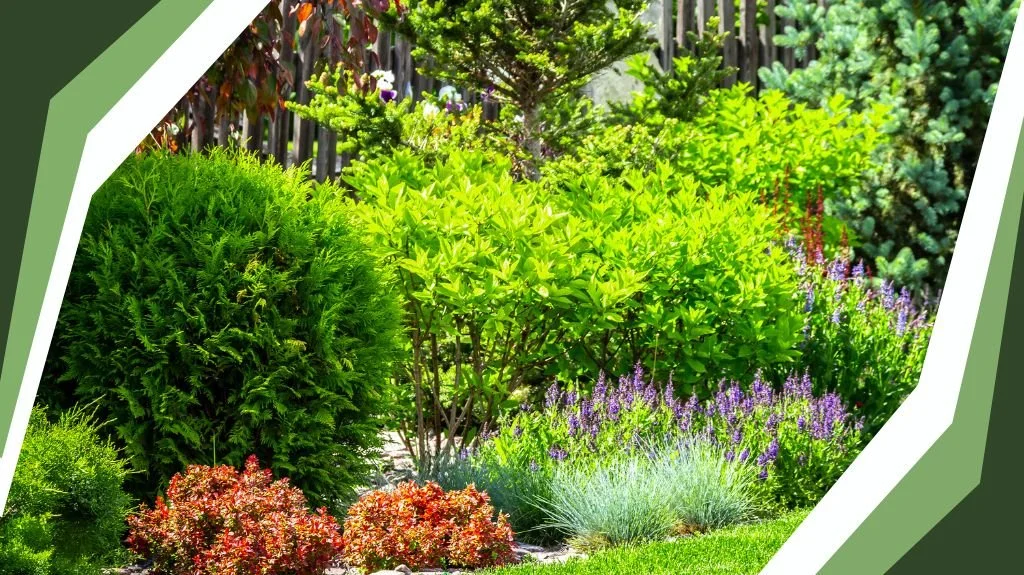
Now that you understand your yard conditions and have defined your goals, it’s time to connect the two. Instead of guessing which plants might work, you can use a simple decision-making system to confidently choose plants that are suited to your space.
The 4-Part Plant Selection Formula
At its core, successful garden planning comes down to one simple idea:
Right Plant = Light + Soil + Space + Maintenance Level
Each plant you choose should match all four of these factors, not just one or two.
To make this practical, think of your garden as a series of condition “combinations” that guide your plant choices.
If your space is shady, has clay soil, and you want low maintenance, you should focus on shade-tolerant, moisture-loving plants that are known for durability.
If your garden receives full sun, has well-drained soil, and you want high visual impact, you can choose a wider range of flowering perennials and ornamental grasses.
If your area is partially shaded with average soil and moderate maintenance expectations, you can mix shrubs and perennials that offer balanced performance and seasonal interest.
If your yard has challenging conditions, such as poor drainage or high exposure, you should prioritize tough, adaptable plants that can handle stress.
The visual below breaks down the four key factors every plant must match helping you make smarter decisions and build a garden that’s easier to maintain and more successful long-term.
The 4-Part Plant Selection Formula
Light
Match plants to full sun, partial sun, or shade conditions.
Soil
Choose plants suited to clay, sandy, or well-drained soil.
Space
Plan for mature size and proper spacing to avoid overcrowding.
Maintenance
Select plants that match your available time and effort.
By filtering every plant through these four criteria, you eliminate guesswork and dramatically increase your chances of long-term success.
Layering Your Garden (Design Structure)
Once you know what types of plants will work, the next step is organizing them into a well-balanced layout. A layered approach helps your garden look full, intentional, and visually appealing from day one and even better as it matures.
A simple way to do this is by thinking in tiers, with each layer serving a specific purpose.
Trees provide height, structure, and a sense of scale, anchoring the overall design of your garden.
Shrubs add bulk and can be used for privacy, borders, or to create defined garden spaces.
Perennials bring colour and seasonal interest, filling in gaps and creating visual variety throughout the year.
Groundcovers act as a finishing layer, helping to suppress weeds and create a more polished, cohesive look.
When these layers are combined thoughtfully, they create depth and balance while reducing empty space and maintenance issues.
Using this framework of matching plants to your conditions and organizing them into layers, gives you a clear, repeatable system for building your garden. Instead of relying on impulse decisions, you’ll be choosing plants with purpose and setting your garden up for long-term success.
Step 4 – Choosing the Right Plants for Niagara Gardens
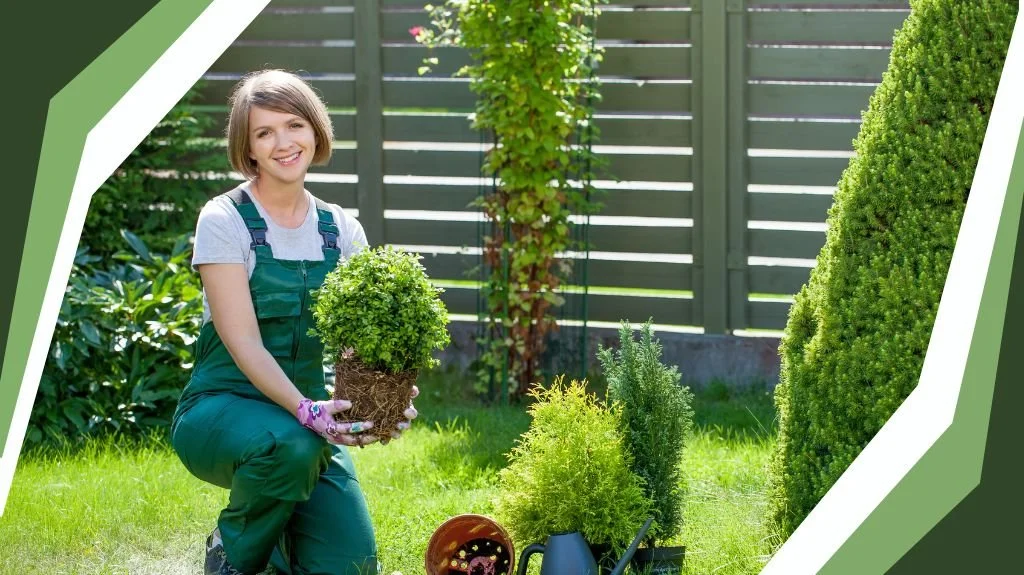
Now that you have a clear understanding of your conditions, goals, and planting framework, you can begin selecting plants that are truly suited to Niagara’s climate. The key at this stage is to focus on hardy, reliable choices that will thrive year after year with minimal intervention.
Reliable Trees for Niagara
Trees are the backbone of any garden, providing structure, shade, and long-term value. In Niagara, it’s especially important to choose varieties that can handle cold winters, variable soil conditions, and seasonal temperature swings.
When selecting trees, focus on hardy, climate-appropriate options that are proven to perform well in the region.
Choose trees that are well-suited to Niagara’s cold winters and warm summers, ensuring they can survive seasonal extremes.
Prioritize native or low-maintenance tree species that require less intervention once established.
Consider mature size carefully to avoid future issues with overcrowding or proximity to structures.
Selecting the right tree early ensures your garden develops strong structure and long-term stability.
Shrubs That Provide Structure and Privacy
Shrubs play a critical role in shaping your garden. They help define spaces, create privacy, and add year-round visual interest even when perennials are not in bloom.
Well-chosen shrubs can also significantly reduce maintenance by filling in space and suppressing weeds.
Look for shrubs that provide structure throughout all seasons, including winter interest through bark, berries, or form.
Choose low-maintenance varieties that do not require frequent pruning or special care.
Select shrubs that naturally fit your space without needing constant shaping or control.
When chosen correctly, shrubs become one of the most reliable and visually consistent elements in your garden design.
Perennials for Long-Lasting Colour
Perennials are the plants that bring your garden to life each season. They return year after year and are essential for adding colour, texture, and movement to your landscape.
For Niagara gardens, focus on varieties that are both resilient and easy to maintain.
Choose easy-care perennials that return reliably each season without requiring replanting.
Prioritize repeat bloomers that provide colour for extended periods rather than short seasonal bursts.
Include pollinator-friendly options that attract bees, butterflies, and other beneficial insects.
A well-planned mix of perennials ensures your garden remains vibrant from spring through fall with minimal effort.
Native Plants: A Smart, Low-Maintenance Choice
Native plants are one of the most effective choices for Niagara gardens because they are naturally adapted to local conditions. They have evolved to thrive in the region’s soil, climate, and seasonal patterns.
Incorporating native species into your garden can significantly reduce maintenance requirements.
Select plants that are naturally adapted to Niagara’s climate, reducing the need for supplemental watering or soil amendments.
Choose varieties that are more resistant to local pests and diseases, lowering the need for chemical treatments.
Incorporate native plants that support local ecosystems and encourage biodiversity in your garden.
Native plants are not only practical but also help create a more sustainable and resilient landscape.
By focusing on hardy trees, structured shrubs, long-blooming perennials, and native species, you can build a garden that is both beautiful and well-suited to Niagara’s environment. These plant choices form the foundation of a landscape that grows stronger and easier to maintain over time. For help selecting the best varieties for your specific conditions, visit Gauld Nurseries and get expert guidance tailored to your garden.
Step 5 – Map It Out Before You Plant
Before you buy or place any plants in the ground, it is essential to map out your garden layout. This step turns all your planning into a clear visual plan and helps prevent costly mistakes once planting begins. Even a simple sketch can make a significant difference in how well your garden turns out.
Sketching Your Garden Layout
Creating a rough sketch of your garden helps you visualize how everything will fit together. It does not need to be perfect or professionally drawn; it just needs to represent your space and planting areas clearly.
Start by mapping out the basic structure of your yard.
Draw the outline of your garden space, including property lines, patios, driveways, and walkways.
Mark existing features such as trees, fences, sheds, or buildings that will affect planting space.
Divide the area into sections where different plant groupings or design features will go.
Once you have your layout sketched, it becomes much easier to make confident planting decisions and avoid overcrowding or awkward spacing.
Grouping Plants by Needs (Simplified Hydrozoning)
One of the most effective ways to organize your garden is by grouping plants based on their shared needs. This is a simplified version of hydrozoning, which helps ensure plants with similar requirements are placed together.
When grouping plants, focus on their light, water, and soil preferences.
Group plants that require full sun together so they receive consistent light exposure.
Place moisture-loving plants in areas of the yard that naturally retain more water.
Separate drought-tolerant plants into areas that drain quickly and stay drier.
Organizing plants this way makes maintenance easier and helps ensure everything thrives under the right conditions with less effort.
Planning for Growth Over Time
A successful garden is not just designed for how it looks on planting day; it is designed for how it will look years from now. Plants will grow, spread, and mature, and your layout needs to account for that.
Planning for growth helps you avoid overcrowding and ongoing redesign work.
Consider the mature size of each plant, not just its current size at the garden centre.
Leave enough space between plants to allow for natural growth without constant pruning or relocation.
Visualize how the garden will look in two, five, and even ten years as everything fills in.
Thinking long-term ensures your garden remains balanced and healthy as it evolves over time.
Avoiding Impulse Purchases
One of the most common mistakes in garden planning is buying plants without a clear plan. Impulse purchases often lead to mismatched plants, overcrowding, and unnecessary maintenance.
Sticking to your plan helps keep your garden intentional and cohesive.
Bring your sketch and plant list with you when visiting a garden centre to stay focused on your plan.
Avoid buying plants simply because they look appealing in the moment if they do not fit your conditions or layout.
Double-check that each plant matches your light, soil, and spacing requirements before purchasing.
A disciplined approach at this stage saves time, money, and frustration later on.
By taking the time to map out your garden, group plants thoughtfully, plan for future growth, and avoid impulse decisions, you set yourself up for a much more successful planting experience. This final planning step ensures your garden comes together exactly as you envisioned it.
If you’d like help refining your layout or choosing the right plants for your conditions, the experts at Gauld Nurseries can provide personalized guidance before you start planting.
6. Printable Garden Planning Checklist
Before heading to the garden centre, it helps to have a clear, simple checklist to make sure all your planning steps are complete. Use this as a final review of your garden plan so you can shop with confidence and avoid missing any important details.
Once all items on this checklist are complete, you are ready to move forward with confidence and begin selecting plants that will thrive in your space.
Print this checklist and bring it with you when selecting plants.
7. Get Expert Help Before You Plant
Even with a solid plan in place, getting a second opinion can make a big difference in the success of your garden. Local plant experts can help you refine your choices, avoid common mistakes, and ensure your design is realistic for Niagara’s growing conditions. This final step can turn a good plan into a great one.
What to Bring With You
To get the most value from expert advice, it helps to come prepared. The more information you provide, the more accurate and useful the recommendations will be.
Bring clear photos of your yard taken from different angles so staff can understand your space and conditions.
Bring accurate measurements of your garden area so plant spacing and layout suggestions can be tailored properly.
Bring your completed garden planning checklist so nothing important is overlooked during the selection process.
Preparing these items ahead of time allows for more specific and practical guidance, helping you make confident planting decisions on the spot.
The Value of Expert Recommendations
Working with knowledgeable nursery staff can save time, reduce trial and error, and improve the long-term success of your garden. Local expertise is especially valuable in regions like Niagara, where soil and climate conditions can vary widely.
Visiting a trusted local nursery such as Gauld Nurseries gives you access to professionals who understand what actually thrives in your area.
Staff can help refine your plant choices based on your specific light, soil, and maintenance needs.
You gain access to locally suited plants that are more likely to establish quickly and grow successfully.
You receive personalized guidance that takes your goals, layout, and experience level into account.
This kind of support helps ensure that your garden plan translates smoothly from paper to planting.
By combining your own planning with expert input, you significantly increase the chances of creating a healthy, balanced, and low-maintenance garden that performs well for years to come.
FAQ: Planning a New Garden in Niagara
When is the best time to start planning a garden in Niagara?
The best time to start planning a garden in Niagara is late winter to early spring, before planting season begins. This gives you enough time to assess your yard conditions, choose plants carefully, and design your layout without rushing decisions once garden centres are busy.
However, planning can be done at any time of year, and fall is also a great time to prepare for spring planting.
What plants are easiest for beginners?
Beginner-friendly plants are typically hardy, low-maintenance, and forgiving of minor mistakes in soil or watering. Some of the easiest options include:
Hardy perennials that return each year without replanting.
Native plants that are naturally adapted to Niagara’s climate and soil.
Low-maintenance shrubs that provide structure with minimal pruning.
These types of plants help new gardeners build confidence while still creating an attractive landscape.
How do I know if my soil is good enough?
You can get a good understanding of your soil by doing a few simple at-home tests. Check how it feels, how it drains, and how it behaves after rain. Clay soil tends to be dense and slow-draining, while sandy soil drains quickly but may lack nutrients.
If water sits on the surface for long periods or drains too quickly, you may need to adjust your plant choices or improve soil structure.
Can I plant everything at once or should I phase it in?
You can do either, but phasing your garden in is often the smarter approach. Planting in stages allows you to observe how different areas perform, adjust spacing if needed, and spread out costs over time.
It also reduces the risk of overcrowding or overplanting before you fully understand how your garden will evolve.
What’s the biggest mistake new gardeners make?
The most common mistake is choosing plants based on appearance alone without considering sunlight, soil, spacing, or maintenance needs. This often leads to plants struggling or requiring more upkeep than expected.
Another major mistake is underestimating mature plant size, which can result in overcrowding and the need for costly adjustments later on.
Should I choose native plants for my garden?
Yes, native plants are an excellent choice for Niagara gardens because they are naturally adapted to the local climate, soil, and seasonal changes. They typically require less watering, fewer soil amendments, and are more resistant to local pests and diseases.
They also support pollinators and contribute to a healthier local ecosystem, making them both practical and environmentally beneficial.
Do I need a professional design before starting my garden?
Not necessarily. Many homeowners can successfully plan a garden using a structured approach like the one in this guide. However, a professional or nursery expert can be very helpful if your space is large, has challenging conditions, or if you want a more detailed landscape design.
Even without a formal design, getting feedback on your plant choices and layout can significantly improve your results.
Gauld Nurseries’ Final Thoughts: Start Smart, Grow Better

Planning a new garden is one of the most important steps in creating a space that is both beautiful and easy to maintain. When you take the time to understand your sunlight, soil, space, and goals before planting, you dramatically increase your chances of long-term success. A well-planned garden doesn’t just look better, it requires less maintenance, fewer replacements, and provides more enjoyment year after year.
It can be tempting to rush into planting once the season begins, but slowing down and following a clear plan will always lead to better results. Gardens are living spaces that evolve over time, and the strongest designs are built with patience and intention rather than impulse decisions.
If you’re ready to bring your plan to life, or simply want a second opinion before you start planting, visit Gauld Nurseries for expert support and guidance. Their team can help you refine your plant choices and ensure you have access to a wide selection of healthy, locally suited plants so your garden gets off to the best possible start.
What Gauld Nurseries Customers Are Saying…
“We would highly recommend Gauld Nurseries. We've used them over the past several seasons and have been beyond satisfied each and every time. From Alex's and Paula's expertise and knowledge in planning to the many hard working crews. Everyone is professional, courteous and efficient. We absolutely love spending time outdoors enjoying the beauty of their work. They've truly transformed our yard which brings us so much joy.
There is no else we would rather call. Thank-you Gauld!” - Lucia L
Connect with Gardening Experts
Connect with our gardening experts at HowToGardenz! We provide tips, tools, and reviews to help you develop your green thumb while embracing sustainable and low-maintenance gardening practices. Learn how to grow a thriving garden that’s both eco-friendly and easy to care for!
Have gardening expertise to share? Or a thriving greenhouse to showcase? Join HowToGardenz! List your products or services and connect with other plant enthusiasts who are passionate about creating sustainable, beautiful gardens. Let's spread the joy of growing together, with less effort and more impact!