
Privacy Hedges and Screening Plants: The Best Options for Niagara Yards
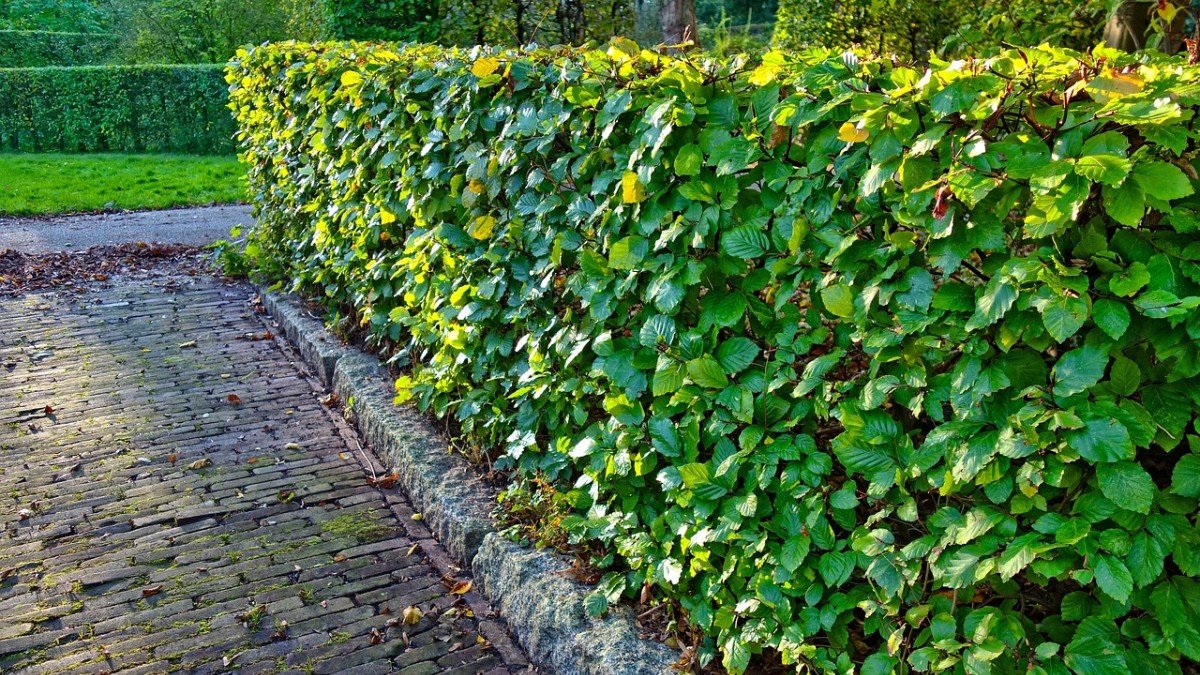
*Image by 👀 Mabel Amber, who will one day from Pixabay
Adding privacy to your backyard can make your outdoor space feel more comfortable, secluded and enjoyable. Whether you want to block the view from a neighbouring property, create a private patio area or screen your yard from a busy road, the right hedge can provide an attractive, natural solution.
In this guide, we’ll compare some of the most popular privacy hedge plants in Niagara, including their growth rates, maintenance requirements and relative costs, to help you find the right fit for your yard.
Need help choosing the right privacy plants for your property? Visit Gauld Nurseries or speak with our team for local expert advice on selecting and planting the right hedge for your Niagara yard.
Key Takeaways
- Compare popular privacy hedge plants for Niagara yards, including Eastern White Cedar, Emerald Green Arborvitae, Hornbeam and Privet.
- Consider growth rate and mature size before choosing plants for your property.
- Understand privacy and maintenance differences between evergreen and deciduous screening options.
- Plan your budget based on plant size, spacing, installation and long-term maintenance.
- Choose plants suited to your yard, including narrow options for smaller backyards and larger hedges for expansive property lines.
- Get local guidance from Gauld Nurseries when selecting and planning privacy hedge plants in Niagara.
Privacy Hedges and Screening Plants
1. What Makes a Good Privacy Hedge?
Before choosing specific plants, it helps to understand what makes a privacy hedge effective. The best option for your Niagara yard will depend on how quickly you want screening, how much space you have and how much maintenance you are prepared to provide.
Density
A dense plant creates a stronger visual barrier by filling in gaps between individual plants. Consider how quickly the hedge will develop enough foliage and branching to provide the level of privacy you want.
Growth Rate
Fast-growing plants can provide privacy sooner, which can be appealing when you want results quickly. However, faster growth can also mean more frequent pruning to keep the hedge at the desired height and shape.
Mature Height and Width
Always consider the plant's mature size, not just how it looks when purchased. A hedge that fits comfortably in a garden bed today could eventually become too wide or tall for the available space.
Maintenance
Think about how much ongoing care you want to provide. Some hedges require regular trimming and shaping, while others need less intervention once established. Watering and seasonal care should also be considered.
Year-Round Privacy
Evergreen hedges retain their foliage through winter and can provide consistent year-round screening. Deciduous hedges lose their leaves but can still provide excellent privacy during the growing season.
Cost
The lowest price per plant does not necessarily mean the lowest overall cost. Plant size, spacing, growth rate and future maintenance can all affect what you spend over the life of the hedge.
2. Best Privacy Hedge Plants for Niagara Homeowners
When choosing privacy hedge plants in Niagara, there is no single option that works for every yard. The best choice depends on the look you want, the available space and how quickly you want the hedge to fill in. Here are four popular options to consider.
Eastern White Cedar — The Classic Ontario Privacy Hedge
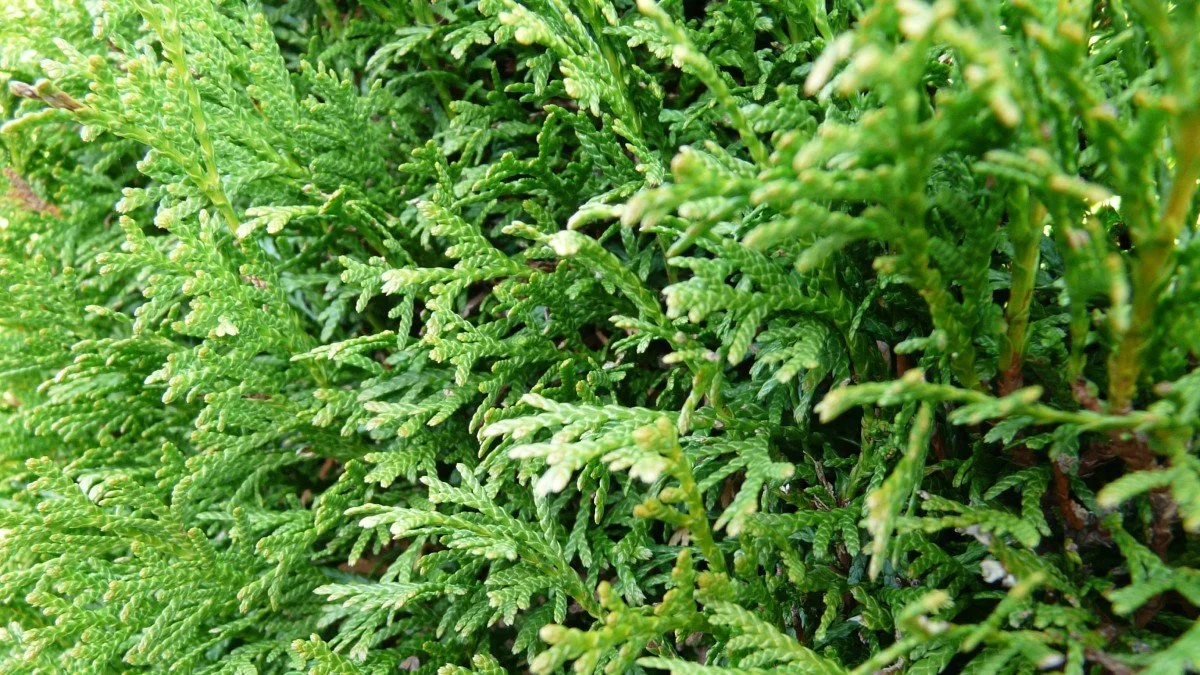
Eastern White Cedar is a classic choice if you are looking to create a traditional, continuous green privacy hedge. Its dense evergreen foliage provides strong screening, while its ability to tolerate pruning allows the hedge to be maintained at different heights and shapes. It is particularly well suited to larger property lines where homeowners want a substantial, continuous barrier.
Growth: Moderate to fast once established.
Maintenance: Moderate.
Privacy: Excellent.
Cost: $$.
Note: Eastern White Cedar and Emerald Cedar are not the same plant. While both are popular evergreen screening choices, their growth habits and mature forms are different.
Emerald Green Arborvitae / Emerald Cedar — Narrow and Naturally Formal
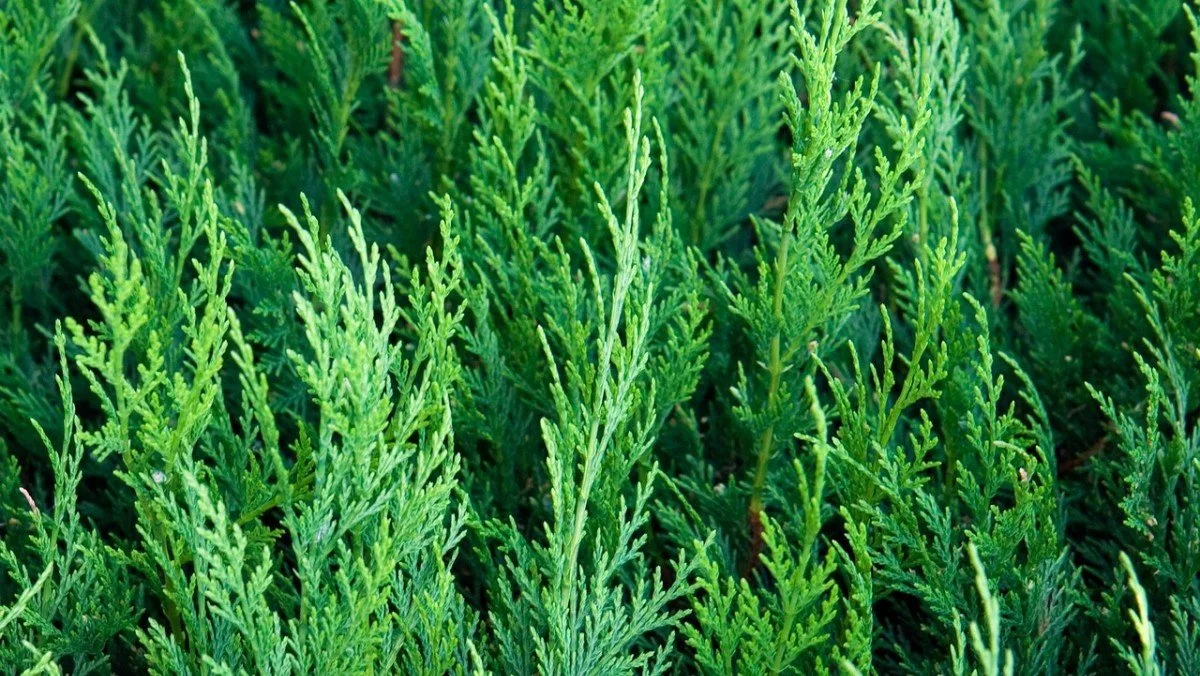
*Image by PublicDomainPictures from Pixabay
Emerald Green Arborvitae, commonly called Emerald Cedar, has a naturally upright and narrow growth habit. Its dense evergreen foliage provides year-round screening without taking up as much horizontal space as some wider-growing hedge plants. This makes it particularly useful along fences, walkways, property lines and in smaller suburban yards.
Its naturally tidy shape also means it generally requires less aggressive shaping than a formal hedge that needs frequent trimming.
Growth: Moderate.
Maintenance: Low to moderate.
Privacy: Excellent.
Cost: $$–$$$.
Best for: Homeowners who want a narrow, tidy, year-round privacy screen.
Hornbeam — A Dense Deciduous Hedge with Seasonal Interest
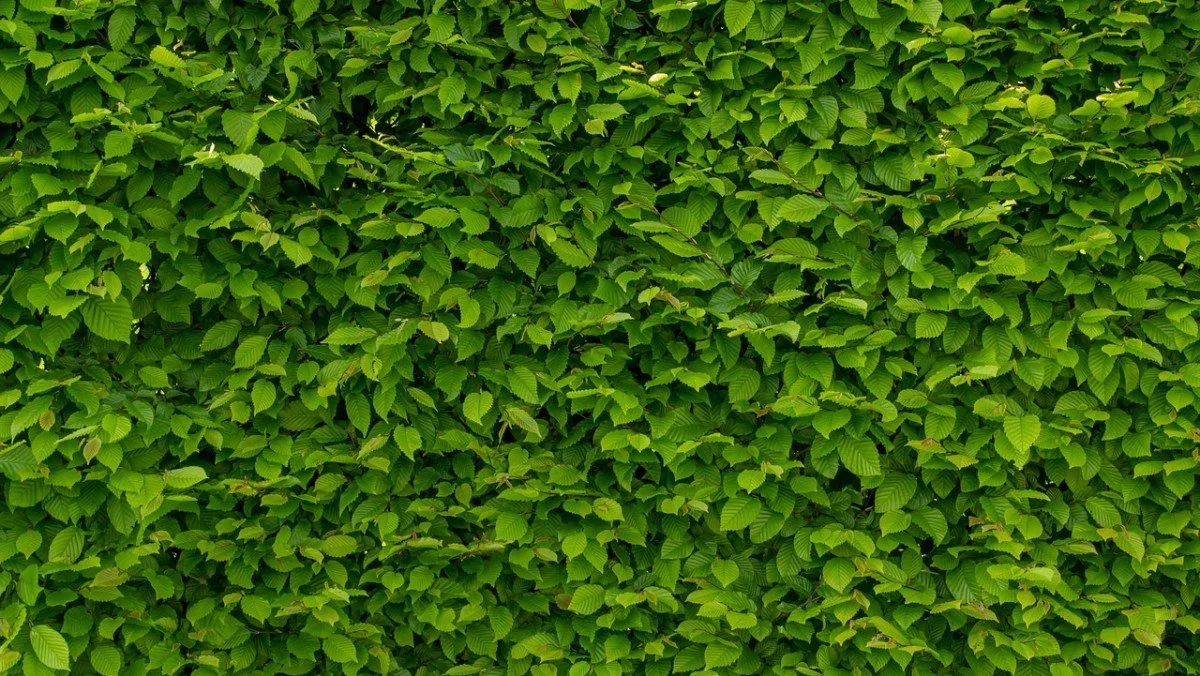
Hornbeam offers a different approach to backyard privacy. Its dense branching and attractive foliage make it well suited to forming a substantial hedge, while its more natural appearance can complement a landscaped yard.
As a deciduous plant, hornbeam loses its leaves in winter, so it does not provide the same year-round screening as cedar or Emerald Cedar. However, it can provide excellent privacy during the growing season and adds seasonal interest to the landscape.
Growth: Moderate.
Maintenance: Moderate.
Privacy: Very good during the growing season.
Cost: $$–$$$.
For homeowners who do not require complete screening throughout the winter, hornbeam can be an attractive alternative to an evergreen hedge.
Privet — Fast-Growing and Easy to Shape
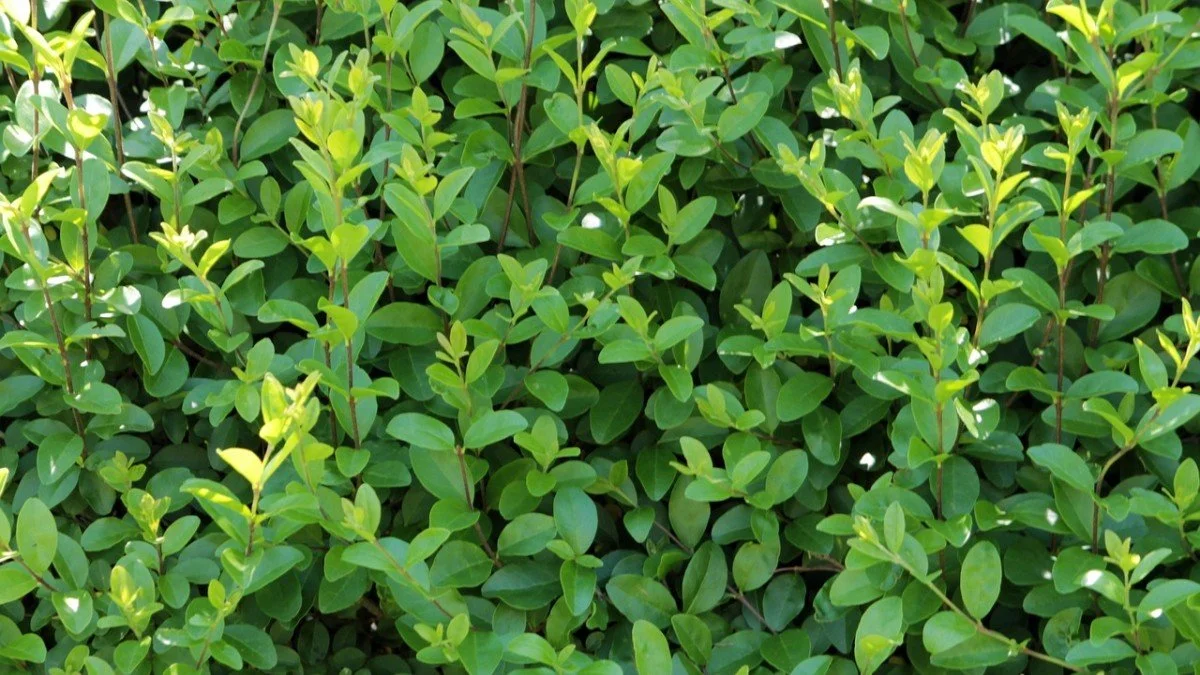
Privet is known for its dense branching and relatively fast establishment, making it a popular choice for homeowners who want to develop a defined hedge. It responds well to pruning and can be shaped into a more formal, structured screen.
The trade-off is that faster growth can mean more regular trimming to maintain a neat appearance. Because "privet" refers to multiple species and cultivars, you should select a variety that is appropriate for your specific Niagara growing conditions.
Growth: Fast.
Maintenance: Moderate to high.
Privacy: Very good.
Cost: $$.
3. Privacy Hedge Plants Niagara Homeowners Can Compare at a Glance
With several strong options available, comparing the key characteristics side by side can make it easier to narrow down the right hedge for your property. The table below provides a quick overview of how popular privacy hedge plants differ in growth rate, maintenance, mature form and overall use.
| Plant | Evergreen? | Growth Rate | Maintenance | Mature Form | Best For |
|---|---|---|---|---|---|
| Eastern White Cedar | Yes | Moderate–Fast | Moderate | Dense/Wide | Traditional privacy hedge |
| Emerald Green Arborvitae | Yes | Moderate | Low–Moderate | Narrow/Upright | Smaller yards |
| Hornbeam | No | Moderate | Moderate | Dense/Full | Seasonal screening |
| Privet | Depends on variety | Fast | Moderate–High | Dense/Formal | Shaped hedges |
4. Best Privacy Shrubs Ontario Homeowners Should Consider
The best privacy shrub for one yard may not be the right choice for another. A narrow suburban lot, a large property line and a formal garden each have different screening needs. Instead of choosing a plant based solely on growth rate or appearance, consider how much space you have, the look you want and whether you need privacy throughout the year.
The following options can help Ontario homeowners narrow down their choices based on the type of privacy screen they want to create.
5. How Much Does a Privacy Hedge Cost?
The cost of a privacy hedge can vary significantly from one property to another, so there is no single price that applies to every project. Homeowners should consider both the initial cost of the plants and the expenses involved in getting them established and maintaining them over time.
Several factors can affect the overall investment:
Plant variety and size: Different species and larger, more established plants generally have different price points.
Number and spacing: The number of plants needed will depend on the length of the planting area and the recommended spacing for the chosen variety.
Site preparation: Removing existing vegetation, improving soil or preparing the planting bed can add to the project cost.
Delivery and planting: Professional delivery and installation can increase the upfront investment but may simplify the project.
Mulch and amendments: Soil amendments and mulch may be recommended depending on the planting site.
Future maintenance: Faster-growing or formal hedges may require more frequent pruning over time.
Smaller Plants vs. Larger Established Plants
The size of the plants you purchase also affects both your budget and how quickly you achieve privacy.
Smaller plants typically have a lower upfront cost, but they require more time and patience to establish and reach their desired screening height.
Larger established plants require a higher initial investment but can provide more immediate screening and create a more finished appearance sooner.
Because the right balance between plant size, spacing and budget depends on your property, Gauld Nurseries can help you compare your options and plan a privacy hedge that fits both your yard and your budget.
6. How Fast Will Your Privacy Hedge Grow?
How quickly a privacy hedge reaches its desired height and density depends on more than the plant's advertised growth rate. Two hedges of the same variety can establish at different speeds depending on the conditions in which they are planted.
Factors that can affect growth include:
Plant species: Different hedge plants naturally grow at different rates.
Starting size: Larger plants may provide more immediate screening, while smaller plants have more growing to do.
Sun exposure: Adequate sunlight can support healthy, consistent growth.
Soil and water: Good soil conditions and sufficient moisture help plants establish successfully.
Plant spacing: Proper spacing gives each plant enough room and resources to develop.
Establishment period: Newly planted hedges typically need time to develop their root systems before putting on substantial top growth.
Pruning: Proper pruning can encourage a fuller hedge, while excessive or poorly timed pruning can affect growth.
Don't Choose a Hedge Based on Growth Rate Alone
Fast growth may sound appealing when you want privacy quickly, but the fastest-growing option is not automatically the best choice for your yard. A plant that grows too large for its location can become difficult to manage, while a fast-growing hedge may require frequent pruning to maintain its shape.
Growth can also be disappointing when a plant is poorly suited to the site's soil, sunlight or moisture conditions. Choosing a plant that fits your property from the beginning can help you achieve a healthier, denser and more manageable privacy screen over time.
How to Choose the Right Privacy Hedge for Your Niagara Yard
Start With the Look and Privacy You Want
Use the options below to narrow down the privacy hedge that may be right for your Niagara yard.
Eastern White Cedar
Choose this option if you want a traditional, dense evergreen hedge that can be shaped and maintained at different heights.
Emerald Green Arborvitae
Choose this option if you want a narrow, upright evergreen screen that works well where planting space is limited.
Hornbeam
Choose this option if you want a dense deciduous hedge with seasonal interest and a more natural landscaped appearance.
Privet
Choose this option if you want a fast-growing hedge that responds well to regular pruning and shaping.
Still not sure which is right for your yard?
Bring your measurements, photos and information about sun exposure to Gauld Nurseries and talk with the team about your options.
7. Privacy Hedge Planting Tips for Niagara Homeowners
A practical planting plan can make a significant difference in how well a privacy hedge establishes and how manageable it will be in the years ahead. You do not need to overcomplicate the process, but a few important details are worth considering before bringing your plants home.
Niagara properties can have different soil, sunlight and microclimate conditions, so planning for the site rather than simply choosing plants based on appearance can help set your hedge up for success.
8. Why Buy Privacy Hedge Plants from Gauld Nurseries?

Choosing a privacy hedge is a long-term landscaping decision, so getting the right plants for your property before you buy can save time, money and maintenance down the road. Gauld Nurseries brings local Niagara experience to that decision, helping homeowners choose screening plants based on their actual yard rather than simply selecting whatever grows fastest.
Local Niagara Knowledge
Gauld Nurseries has been serving Niagara homeowners since 1950, giving the team decades of experience working with local landscapes and growing conditions. That local knowledge can be valuable when deciding which plants are likely to work well in your particular yard.
A Broad Selection of Privacy Plants
You can compare different trees, shrubs and screening plants in one place, making it easier to find an option that fits your property's space and your preferred landscape style.
Expert Guidance Before You Buy
The Gauld team can help you consider important factors such as:
Your yard's available space and layout.
Existing soil and growing conditions.
Sun exposure throughout the day.
Your desired privacy height and appearance.
How much maintenance you are comfortable taking on.
Whether you need seasonal or year-round screening.
From Plant Selection to Planting
Gauld can also provide planting and landscaping services, allowing you to move from choosing your privacy plants to getting them properly established in your yard. Instead of purchasing plants and managing the entire project yourself, you can get support from selection through installation.
9. Frequently Asked Questions About Privacy Hedge Plants
Choosing the right privacy hedge depends on your yard size, desired privacy, available space, maintenance preferences and budget. These frequently asked questions cover some of the most common considerations for Niagara homeowners comparing privacy hedge plants.
What are the best privacy hedge plants for Niagara?
Popular privacy hedge plants for Niagara include Eastern White Cedar, Emerald Green Arborvitae, Hornbeam and Privet. The best choice depends on factors such as available space, desired height, maintenance requirements and whether you want year-round or seasonal privacy.
What is the fastest-growing privacy hedge in Ontario?
Privet is one of the faster-growing options for creating a dense, shaped hedge, although growth varies by species, cultivar and growing conditions. Faster-growing hedges can provide screening sooner but may also require more frequent pruning.
Are Emerald Green arborvitae good for privacy?
Yes. Emerald Green Arborvitae are popular privacy plants because their narrow, upright growth habit and dense evergreen foliage provide year-round screening. They can be particularly useful where a privacy screen is needed along a fence, property line or narrower planting area.
How far apart should privacy hedge plants be planted?
Spacing depends on the plant variety, starting size and its expected mature width. Planting too closely can create unnecessary competition for water and nutrients, while excessive spacing can leave gaps for longer. Follow the recommended spacing for the specific variety and desired hedge density.
How much does it cost to plant a privacy hedge in Niagara?
The cost varies depending on the plant variety, plant size, number of plants, spacing, site preparation, delivery and installation. A smaller hedge using younger plants may have a lower upfront cost, while larger established plants can provide more immediate screening at a higher initial investment.
What is the best privacy hedge for a small backyard?
Emerald Green Arborvitae can be a practical option for smaller backyards because of its naturally narrow, upright growth habit. The available planting space and the mature width of the plants should always be considered before choosing a privacy hedge for a smaller property.
Find the Right Privacy Hedge Plants for Your Niagara Yard

The right privacy hedge can give you more seclusion while adding greenery, structure and lasting value to your landscape. The best choice, however, depends on your available space, growing conditions, desired height and how much maintenance you want to take on.
Visit Gauld Nurseries in Niagara Falls to explore privacy hedge plants and screening options, or speak with our team about finding the right plants for your property.
Ready to create more privacy in your Niagara yard? Let’s find the right hedge for your space.
What Gauld Nurseries’ Customers Are Saying...
Homeowners throughout Niagara trust Gauld Nurseries for expert advice, quality plants, and beautiful landscape transformations.
Connect with Gardening Experts: HowtoGardenz
Connect with our gardening experts at HowToGardenz! We provide tips, tools, and reviews to help you develop your green thumb while embracing sustainable and low-maintenance gardening practices. Learn how to grow a thriving garden that’s both eco-friendly and easy to care for!
Have gardening expertise to share? Or a thriving greenhouse to showcase? Join HowToGardenz! List your products or services and connect with other plant enthusiasts who are passionate about creating sustainable, beautiful gardens. Let's spread the joy of growing together, with less effort and more impact!